







The Wild West of Early Wireless Audio
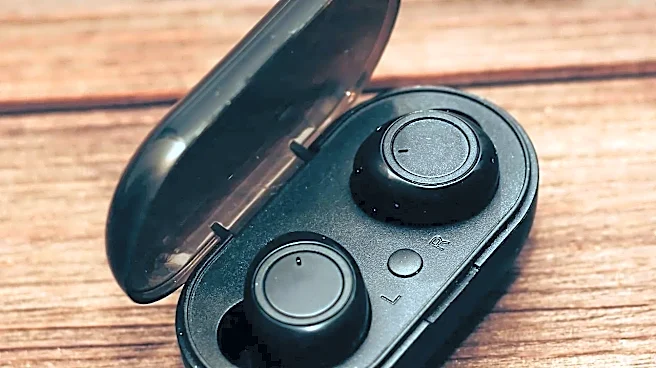
A decade ago, the idea of 'true wireless stereo' (TWS) was more of a niche curiosity than a mainstream reality. Early models, often born from crowdfunding campaigns, were ambitious but flawed. They suffered from unreliable Bluetooth connections that would
frequently stutter, and their battery life was often measured in a couple of hours, not a full workday. These devices were expensive, clunky, and aimed squarely at tech enthusiasts willing to tolerate the growing pains. For most people, the convenience of wireless wasn't yet worth the compromise on reliability and endurance. The market was a fragmented collection of experiments, with no clear formula for what a 'good' pair of wireless earbuds should even do.
The AirPods Effect and the Rise of the Reviewer
The turning point arrived in 2016 with Apple's AirPods. By removing the headphone jack from the iPhone, Apple didn't just sell an accessory; it kickstarted a new product category. The AirPods set a new standard for seamless pairing, decent battery life, and pocket-friendly convenience. As competitors from Sony, Samsung, Jabra, and countless others flooded the market, a new group of kingmakers emerged: tech reviewers. Websites, magazines, and a growing army of YouTubers began creating detailed buying guides. To compare the dizzying array of options, they established a standardized 'gauntlet' of tests. Suddenly, it wasn't enough for earbuds to just sound good.
Teaching to the Test: How Reviews Became a Blueprint
The criteria in these buying guides quickly became a de facto feature roadmap for the entire industry. Reviewers would methodically test for a specific set of attributes: How long does the battery really last with Active Noise Cancellation (ANC) on? How far can you walk away from your phone before the connection drops? How does the microphone sound in a noisy cafe? A poor grade in any of these areas could sink a product's reputation. In response, manufacturers began 'teaching to the test'. If a popular reviewer criticized a model's three-hour battery life, the next generation would prominently feature five or six hours of playback. If call quality was deemed 'muddy', the next version would boast new beamforming microphones for crystal-clear voice. This feedback loop created a powerful incentive for engineers to focus their innovation on a specific, consumer-vetted list of priorities.
The Maturation of a Market
This intense, review-driven competition rapidly accelerated the pace of innovation in key areas. Active Noise Cancellation, once a luxury feature in bulky, high-end headphones, became a standard expectation even in sub-$100 earbuds thanks to miniaturization and advancements in DSP chips. Features like wireless charging, water resistance ratings (IP ratings), and customizable sound profiles became table stakes. Reviewers created comparison charts for ANC effectiveness, transparency mode naturalness, and connection stability, and manufacturers fought to win each category. The result is the market we see today: a mature, incredibly competitive space where even budget-friendly models offer features that were considered premium just a few years ago. The buying guides didn't just report on the market; they actively shaped it, creating a standardized set of expectations that focused the industry's efforts and democratized high-end features for everyone.