
The Digital Bodyguard You've Probably Never Met
At its core, OpenVPN is not a program you download in the same way you would a web browser. Instead, it's a protocol—a set of rules that computers use to talk to each other securely. Think of it as a blueprint
for creating a secret, armored tunnel over the public internet. When your data enters this tunnel, it's encrypted, making it unreadable to anyone who might be snooping. It's the digital equivalent of moving cash in an armored truck instead of carrying it in a clear bag down a busy street. This technology, first released by James Yonan in 2001, provides the foundation for what we now know as a Virtual Private Network (VPN). It can create secure connections between a single user and a network (point-to-point) or link entire office networks together (site-to-site).
Why Its Open-Source Nature Became a Superpower
One of the biggest reasons for OpenVPN’s widespread adoption is that it's open-source. This means its underlying code is publicly available for anyone to inspect, audit, and improve. In the world of security, transparency breeds trust. Instead of having to take a company's word that its software is secure, a global community of developers and cybersecurity experts can continuously examine OpenVPN for vulnerabilities and fix them quickly. This constant scrutiny has made the protocol incredibly robust and reliable over its two-decade history. Furthermore, being open-source and free to use eliminated financial barriers, allowing it to be integrated into countless commercial and private projects, from enterprise-grade security solutions to DIY home network projects.
The Everywhere Protocol: From the Office to the Internet of Things
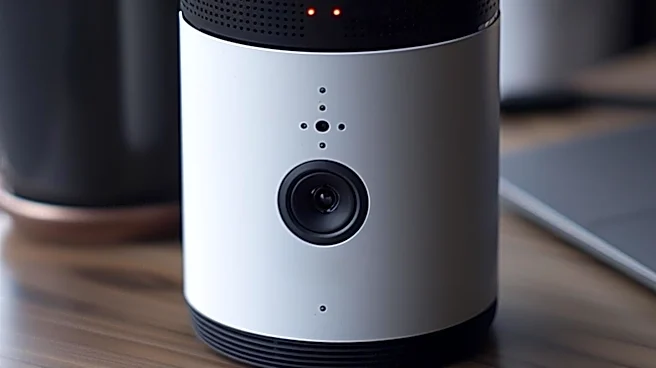
You may not see the OpenVPN logo every day, but its technology is humming away in the background of many services you use. The most common application is in corporate VPNs, which allow remote employees to securely access company files and systems as if they were physically in the office. Major commercial VPN providers that millions of people use to protect their privacy online also heavily rely on the OpenVPN protocol for its balance of security and performance. But its use extends even further. OpenVPN helps secure the communications of Internet of Things (IoT) devices, from security cameras to smart home hubs, protecting them from being hijacked. Its versatility is a key strength; it runs on nearly every operating system, including Windows, macOS, Linux, iOS, and Android, making it a nearly universal solution for creating a secure connection.
Still a Titan in a Changing World
While OpenVPN is over 20 years old—an eternity in tech—it remains a benchmark for security and reliability. It is highly configurable, supporting a wide range of strong encryption standards like AES-256, which is considered military-grade. It’s flexible enough to be tuned for either maximum reliability (using the TCP protocol) or higher speeds for things like streaming and gaming (using UDP). Newer protocols like WireGuard have emerged, offering potential speed advantages and a more lightweight code base. However, OpenVPN’s long history of rigorous testing, massive install base, and proven ability to bypass restrictive firewalls mean it isn't going away. It has become a foundational layer of trust on an often-untrustworthy internet.