
From 'Glassholes' to G-Suite
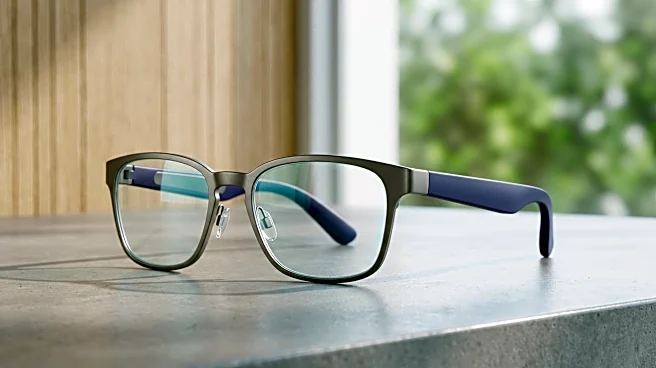
Remember Google Glass? The initial public reaction was a mix of fascination and ridicule, ultimately landing on social rejection. The device became a symbol of tech overreach, a solution in search of a problem.
That consumer-first strategy, chasing a mass market that wasn't ready, defined the category's early stumbles. Even as recently as last year, consumer-focused glasses from major players like Meta have faced mixed adoption and privacy backlashes. This history of disappointment created a narrative that smart glasses were a failed experiment. But while the public was looking the other way, the technology didn't die; it got a job.
The Enterprise Lifeline
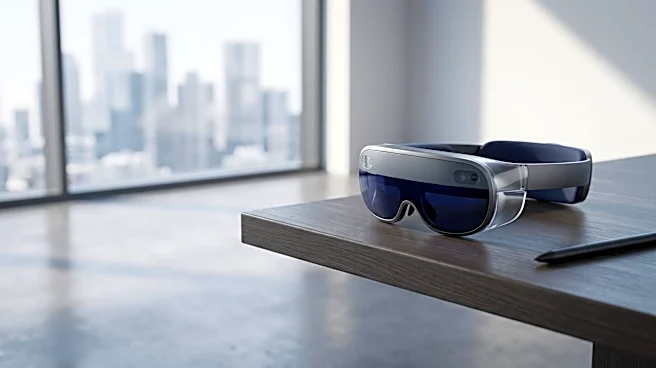
The pivot every startup should watch is the industry's shift from trying to be a consumer fashion accessory to becoming a powerful enterprise tool. While headlines focus on consumer models, the real growth and, more importantly, the real return on investment (ROI) is happening in warehouses, hospitals, and factory floors. The focus is no longer on a flashy gadget for everyone, but a durable, task-oriented instrument for someone specific. These are not the sleek glasses you’d wear to a coffee shop. They are ruggedized, secure, and designed for hands-free operation in complex industrial environments.
Solving Real Problems, Generating Real ROI
Why is this pivot working? Because enterprise smart glasses solve expensive, tangible problems. In manufacturing, they overlay work instructions for assembling complex machinery, reducing errors by a reported 35%. In logistics, they enable hands-free “vision picking” in warehouses, boosting throughput by 25%. For field service, a junior technician can wear a pair and get real-time, augmented-reality guidance from a senior expert thousands of miles away, dramatically cutting travel costs and repair times. In healthcare, surgeons use them to overlay patient scans during operations, while paramedics consult with remote specialists from an ambulance. Unlike the vague consumer promise of “convenience,” the business case here is concrete: increased efficiency, fewer mistakes, and better safety. The ROI is measurable and compelling.
The Startup Playbook
You don’t need to be in the hardware business to learn from this. The smart glasses pivot offers a powerful playbook for any startup. First, it’s a lesson in finding your niche. Instead of boiling the ocean with a product for seven billion people, the winners focused on specific industries with acute pain points. They validated demand not with 'vibes' but with ROI math. Second, it champions utility over novelty. The successful devices aren’t necessarily the most futuristic; they are the most useful. They integrate with the software companies already use and are designed to be worn for a full shift, not just for a few minutes. Finally, it proves that it’s often better to be a painkiller than a vitamin. The consumer market saw smart glasses as a 'nice-to-have' vitamin. For a business losing money on assembly errors or service delays, a tool that fixes the problem is an essential painkiller.