




For years, Uber was the company that burned billions to get you a ride. But its survival and recent profitability weren't secured by cars. They were the result of a quiet, overlooked decision that changed everything about the business.
The Age of 'Growth at All Costs'
To understand the
pivot, you have to remember the original Uber. Under co-founder and former CEO Travis Kalanick, the company was a blitzscaling machine. Its mission was singular and aggressive: dominate global ride-hailing, no matter the cost. For nearly a decade, Uber was famous for its staggering losses, which it treated as a necessary investment to conquer markets and subsidize rides to hook customers. The company's identity was inextricably linked to moving people. Other ventures were just side projects. This philosophy made Uber a household name, but it also created a culture of controversy and a business model that seemed perpetually on the verge of financial implosion. By 2017, a series of scandals led to Kalanick's ouster and the appointment of Dara Khosrowshahi, the former CEO of Expedia. The change in leadership was public, but the most profound shift was just beginning.
The Unsexy, Crucial Pivot
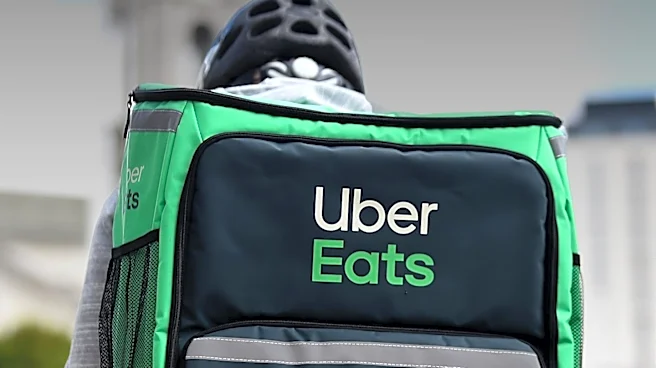
The hidden decision wasn't a single, dramatic announcement. It was the strategic elevation of Uber Eats from a curious side project into a core pillar of the company. Uber Eats launched in 2014, but for years it was an afterthought. The 'growth at all costs' mindset was focused on rides. Under Khosrowshahi, that changed. Facing immense pressure to find a path to profitability, the new leadership team recognized the immense potential in leveraging its existing network for something more than just rides. They had a global fleet of drivers, a powerful logistics and payment platform, and millions of users with the app already on their phones. The decision was to treat delivery not as a distraction, but as a co-equal part of the business, essential to its long-term survival. This meant pouring resources into the Eats platform, expanding its restaurant partnerships, and eventually integrating it more deeply into the main Uber app.
From Cars to Everything
This strategic refocus transformed Uber from a transportation company into a logistics engine. The same technology that could efficiently dispatch a driver to pick you up could also dispatch that driver to pick up a burrito. This pivot created a powerful synergy. Drivers could now toggle between ride requests and delivery orders, reducing their downtime and increasing their earning potential. For Uber, it meant getting more revenue out of its most valuable asset: its network. The COVID-19 pandemic was the ultimate test and proof of this strategy. As the ride-hailing business collapsed overnight with lockdowns, the delivery business exploded. Uber Eats became the company's lifeline, generating crucial revenue that offset the catastrophic losses in mobility. It was this diversification that saved Uber from a potential pandemic-induced crisis. The company's official reporting category even shifted from 'Eats' to 'Delivery,' signaling its broader ambitions to deliver groceries, alcohol, and retail goods.
The Payoff: A Profitable, Resilient Uber
Today, Uber looks very different. After losing more than $30 billion over the years, the company finally achieved consistent operating profitability. That financial turnaround is owed in large part to the high-margin growth of its delivery segment. In 2025, delivery accounted for roughly a third of Uber's total revenue, generating over $17 billion. The company is no longer just a taxi alternative; it's an 'operating system for your daily life,' as Khosrowshahi puts it. It's a platform for moving people, food, packages, and groceries, all stitched together by a subscription service, Uber One. The firm continues to expand aggressively in this area, recently acquiring the workplace catering platform ezCater for $2.3 billion to capture the market for large group orders. This evolution, born from a quiet decision to double down on a side business, is what ultimately reshaped Uber into a more resilient and financially viable company.