






A Vision of Ambient Computing
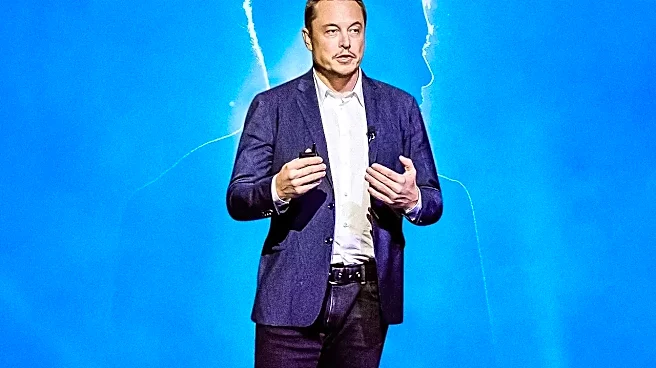
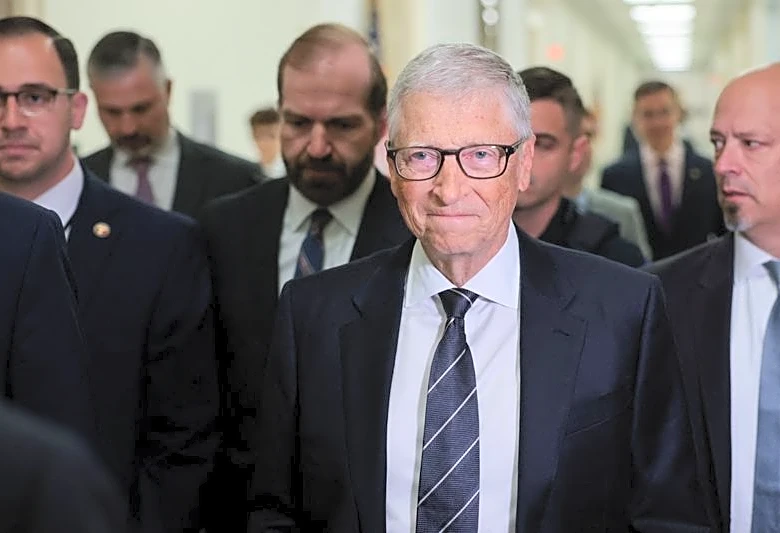
To understand the Pixel 11, you have to understand Rick Osterloh’s philosophy of “ambient computing.” When Osterloh took over Google's newly unified hardware division in 2016, the company's efforts were scattered. His mission was to bring cohesion and a long-term
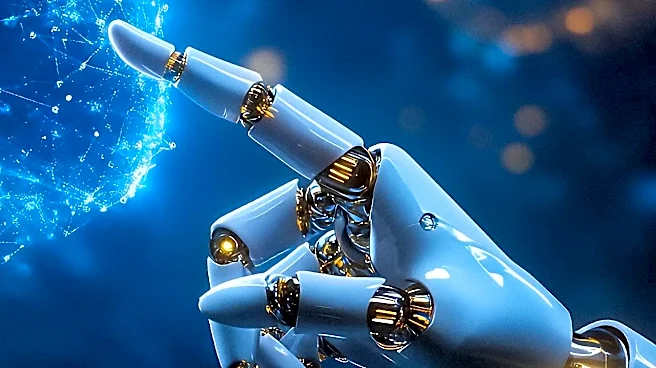
vision. The core idea he championed was that technology should fade into the background, offering help whenever and wherever you need it without demanding your constant attention. Instead of users fussing with different devices, the technology should work together seamlessly, anticipating needs and making life easier. This requires a deep integration of hardware, software, and AI—a concept that has been the north star for Google's hardware division ever since.
From Chaos to Cohesion
Before Osterloh, Google’s hardware was a story of brilliant but inconsistent efforts. The Nexus program, for example, involved partnering with different manufacturers each year, resulting in phones that showcased pure Android but lacked a consistent identity or market success. The company even bought and sold Motorola Mobility. Osterloh’s appointment signaled a major shift: Google was getting serious about building its own hardware, not just as a showcase for software, but as a real business. This led to the first Pixel in 2016 and the acquisition of a large part of HTC's smartphone design team in 2017. More importantly, it led to the development of Google's own Tensor chip, which debuted with the Pixel 6. This custom silicon was the key to unlocking the AI-driven experiences that define Osterloh’s ambient computing vision.
Pixel 11: The Strategy Made Real
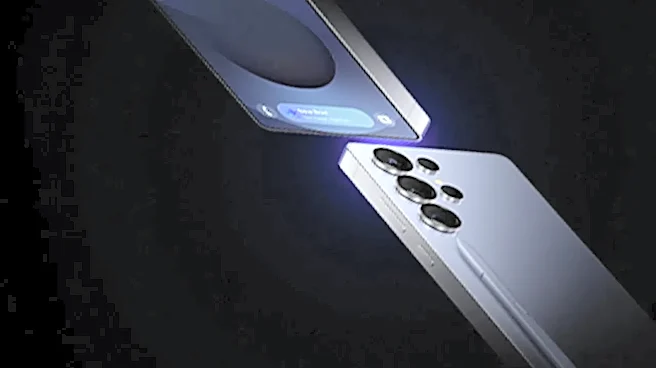
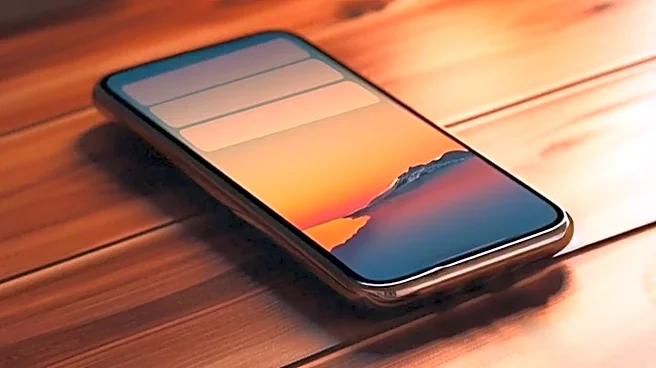
The Google Pixel 11, running on the new Tensor G6 chip, is the clearest expression yet of this long-term strategy. Its headline features are not just hardware specs but manifestations of ambient AI. The new “Gemini Intelligence” framework, for instance, isn't just a voice assistant; it’s a proactive agent that can manage tasks across different apps, like making reservations or transcribing conversations, without constant user input. Features like Magic Capture and advanced real-time translation are direct results of having custom hardware built specifically for Google's AI models. The phone’s tight integration with other Google devices, like the Pixel Watch and Nest Hub, is a core tenet of making computing truly ambient—a seamless web of assistance rather than a collection of separate gadgets. The entire experience is designed to be helpful in the background, fulfilling the promise Osterloh articulated years ago.
Patience, Payoffs, and the Long Game
Has the strategy worked? Google is still far from outselling Apple or Samsung, and executives have acknowledged that may never be the goal. Instead, the aim has been to build a sustainable, profitable business while pushing the industry forward with AI and software innovation. The Pixel line has evolved from a niche product for tech enthusiasts into a legitimate contender known for its incredible camera and clean, intelligent software. With each generation, the integration of hardware and AI has deepened, moving from standout camera features like Night Sight to system-wide intelligence powered by Gemini. By playing the long game, Google has carved out a unique identity in a mature market. The Pixel 11 isn't just competing on specs; it's competing on helpfulness, a direct result of Osterloh’s unwavering focus.