



Your Chat Isn't Just a Conversation
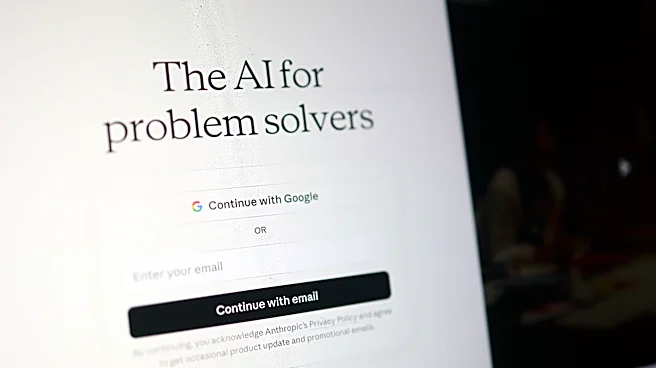
When you type a prompt into an AI like Claude, it feels like a private chat. It's not. Think of it less like a conversation and more like submitting a form on a website. Every piece of information you provide—including your name, details about your job,
or personal projects—is data. This data is sent to servers, processed, and stored. While AI companies have security measures, what you type is recorded and can be reviewed. A bug or data breach could expose conversations you thought were private. In 2023, a bug in another popular chatbot briefly let some users see the titles of other people's chats, a stark reminder that these systems aren't infallible.
Where Your Data Really Goes
AI companies like Anthropic, the creator of Claude, use your conversations for several purposes. For consumer plans (Free, Pro, Max), you must decide whether to let the company use your chats to train future AI models. If you opt in, your data can be retained for up to five years. If you opt out, it's generally kept for about 30 days for safety and security monitoring before deletion. Enterprise-level plans have stricter rules, often prohibiting data use for training by default. But for the average user, your data lives on, at least for a while. Though companies de-identify data by removing direct personal identifiers before training, the process isn't perfect. Supposedly anonymous data can sometimes be re-identified when combined with other information, creating a long-term risk you might not have considered.
The Real-World Risks of Oversharing
The danger isn't that Claude will suddenly start addressing another user by your name. The risk is more subtle and systemic. Data used for training gets absorbed into the model's vast web of knowledge. While unlikely, it's technically possible for a model to reproduce snippets of data it saw during training. A more immediate risk comes from potential data breaches or unauthorized account access, which could expose your entire chat history to malicious actors. Furthermore, if you get into the habit of sharing personal details, you might accidentally include truly sensitive information—financial details, health concerns, or confidential work data—without a second thought. This data is not protected by regulations like HIPAA in the same way it would be with a doctor.
The Art of the Anonymous Prompt
The good news is that protecting yourself is simple and doesn't reduce the AI's effectiveness. The key is to practice good data hygiene. Before you hit enter, review your prompt and strip out any Personally Identifiable Information (PII). This includes not just your name, but also your company's name, your client's name, email addresses, phone numbers, and any other specific identifiers. Instead of 'My boss, Jane Doe at Acme Corp, wants me to...', try 'My manager at a mid-sized tech company wants me to...'. The AI will understand the roles and context perfectly without needing the specific names. This small habit swap dramatically reduces your digital footprint and minimizes your exposure to a whole category of privacy risks.