





An Un-Monetizable Kingdom
Founded in 2007 by David Karp, Tumblr was designed as a haven for creative expression. It was a digital canvas for everything from high-fashion photoblogs and hyper-niche fandoms to LGBTQ+ communities and boundary-pushing art. Unlike the polished, name-brand
identities of Facebook, Tumblr thrived on anonymity, subculture, and a certain untamed weirdness. This vibrant chaos was its core appeal, fostering fiercely loyal communities. However, that same spirit made it a nightmare for corporate owners. Advertisers crave predictability and brand safety, two things the freewheeling world of Tumblr could never genuinely offer. Founder David Karp himself was famously resistant to integrating ads, which meant that while the platform was rich in culture, it was poor in revenue. This created a fundamental tension: Tumblr's value was its wildness, but that wildness was precisely what made it commercially radioactive.
Yahoo's Billion-Dollar Misunderstanding
In 2013, Yahoo, then under CEO Marissa Mayer, acquired Tumblr for a staggering $1.1 billion. The move was a desperate bet to make the aging internet giant relevant with a younger, mobile-first audience. Yahoo promised the community it wouldn't “screw it up,” but the clash of cultures was immediate and irreconcilable. Yahoo needed to justify its billion-dollar purchase with advertising revenue, but its corporate sales team fundamentally misunderstood the product they were selling. One former executive noted that nobody at Yahoo ever truly grasped what Tumblr was. They had bought a rebellious art commune and tried to turn it into a suburban shopping mall. Ambitious revenue goals were set and missed, and within a few years, Yahoo was forced to write down hundreds of millions of dollars of Tumblr's value. The acquisition was a failure, not of potential, but of understanding.
The Breaking Point in the App Store
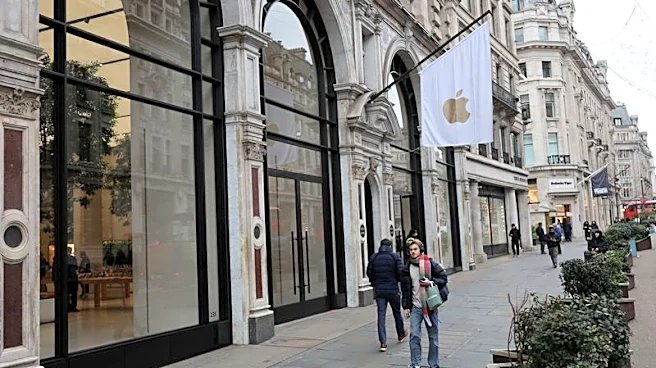
The long-simmering conflict came to a head in November 2018. By this point, Yahoo had been acquired by Verizon. Tumblr's iOS app was abruptly pulled from Apple's App Store after its filters failed to catch illegal child pornography. This forced the hand of its corporate parent, Verizon. Faced with being blacklisted from the world's most lucrative mobile ecosystem, the company made a choice. On December 17, 2018, Tumblr enacted a sweeping ban on all “adult content,” including photos, videos, and GIFs of nudity and sexual acts. This wasn't just about a few illegal posts; it was a broad, technologically clumsy purge that decimated the queer, sex-positive, and artistic communities that had defined the platform. The automated filters were notoriously bad, flagging everything from classical art to innocuous posts. The hidden decision wasn't simply to ban porn—it was the decision to choose corporate compliance and risk aversion over the platform’s core identity and community.
Life After the Fall
The backlash was swift and severe. Stripped of the content that made it unique (and, according to some analyses, drove a significant portion of its traffic), users fled the platform. Traffic reportedly plummeted by nearly 30% in the months following the ban. The now-sanitized and culturally diminished platform was a hot potato for Verizon, which had no interest in managing a struggling social network. In August 2019, Verizon sold Tumblr to Automattic, the owner of WordPress. The sale price, reported to be less than $3 million, was a gut-punching testament to how much value had been destroyed. It was less than 0.3% of the price Yahoo had paid just six years earlier. Automattic's CEO confirmed that the adult content ban would remain in place, cementing Tumblr's new reality as a quieter, more niche corner of the web.