




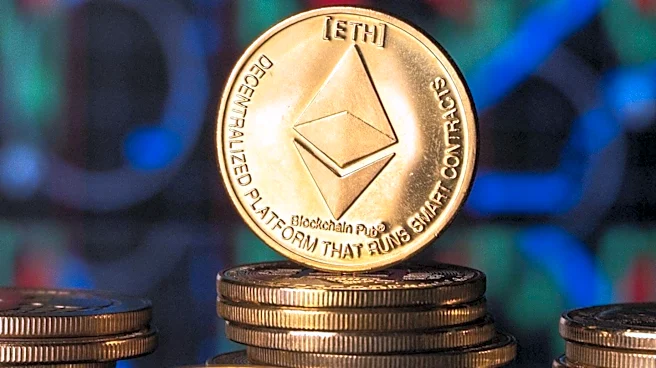

In the chaos of a crypto market crash, every system is tested. Amid the panic-selling and network congestion, one piece of Ethereum's code, EIP-1559, didn't just hold up—it became a source of surprising stability. Here's what it is, and why it works.
The Old Way: A Frustrating Bidding War
Before August 2021, sending a transaction on Ethereum felt like shouting in a crowded auction house. This 'first-price auction' system forced users to bid a 'gas price' to get their transaction noticed by miners. If you bid too low, your transaction could be stuck for hours. If you bid too high, you overpaid. During a market crash, when everyone rushes for the exits, this system devolved into a chaotic and expensive bidding war, with fees skyrocketing unpredictably. Wallets tried to guess the right price, but it was often just that—a guess. This poor user experience made a high-stress situation even worse.
Enter EIP-1559: A More Civilized System
Ethereum Improvement Proposal 1559, part of the 'London Hard Fork', fundamentally changed this fee market. It replaced the guessing game with a more transparent two-part structure: a 'base fee' and a 'priority fee' (or tip). The base fee is the minimum price required for a transaction to be included in a block, and it's set by the protocol itself, not by users bidding against each other. The priority fee is an optional tip you can add to incentivize validators to pick up your transaction faster, especially during busy times. This new model was designed to make fees more predictable for everyone.
How It Handles a Crash: Elastic Blocks
Here's where EIP-1559 truly shines during a crash. The system is designed to handle sudden spikes in demand through 'elastic block sizes'. While Ethereum blocks have a target size (say, 15 million gas), they can temporarily expand up to double that size (30 million gas) to absorb a flood of transactions. When network usage surges past 50% capacity, the base fee automatically and predictably increases by a maximum of 12.5% per block. Conversely, when congestion eases and blocks are less than 50% full, the base fee falls. This mechanism acts as a shock absorber. Instead of fees instantly exploding based on wild user bids, the cost of using the network adjusts smoothly and predictably, preventing the extreme volatility of the old auction system.
The Secret Weapon: Burning the Base Fee
The most discussed feature of EIP_1559 is what happens to the base fee: it gets 'burned', meaning it's permanently destroyed and removed from circulation. Only the small priority fee goes to the network validators. During a market crash, transaction volume soars. This means more transactions are processed, more base fees are collected, and consequently, more ETH is burned. This introduces a deflationary pressure on ETH's supply, especially during periods of high network activity. While not designed to lower fees, this burn mechanism links network usage directly to the scarcity of ETH. Since its implementation, over 4.5 million ETH has been burned, creating a new economic dynamic that adds a layer of resilience to the entire ecosystem. Even Ethereum's co_founder, Vitalik Buterin, has emphasized the importance of this mechanism for the network's long_term stability.