




The Dawn of the Modern Desktop
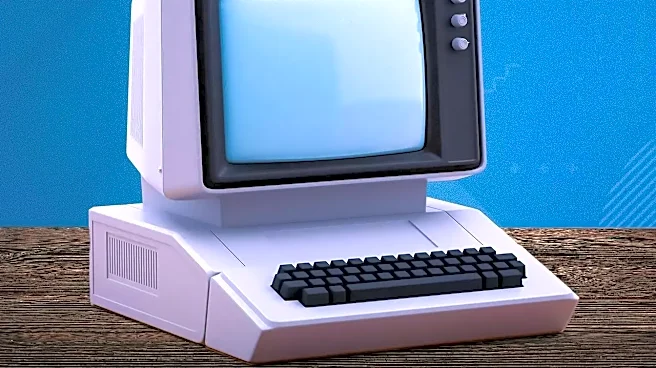
When System 7 launched in 1991, it was more than just an update; it was a vision of the future. While the headlines focused on the introduction of color, its true impact was more profound. For the first time, core features we now take for granted became
standard: built-in cooperative multitasking, aliases that acted like today's shortcuts, and personal file sharing over a network. Before this, running multiple programs was a clunky affair managed by an add-on called MultiFinder; System 7 made it integral. It also introduced virtual memory, a clever trick that used hard drive space as extra RAM, allowing more powerful applications to run on machines with limited hardware. These weren't just bullet points on a feature list. They collectively shaped the desktop metaphor, creating a user-friendly environment that empowered people to organize their digital lives in an intuitive, visual way. This philosophy—making the complex simple—is a direct ancestor of the user experience that defines Apple today.
The Engine of the Creative Revolution
While Microsoft Windows was capturing the broader business market, Mac OS carved out an undisputed kingdom in creative industries. This wasn't by accident. The Mac OS of the 90s was the premier platform for desktop publishing, graphic design, and multimedia. Software like Adobe Photoshop and QuarkXPress ran best on a Mac, partly because the OS was built with graphical fidelity in mind. System 7 and its successors introduced technologies like QuickTime, which brought integrated video to personal computers for the first first time, and robust font management that was crucial for professional design work. For an entire generation of artists, designers, and publishers, the Mac wasn't just a tool; it was the only tool. Its stability for these specific tasks, combined with a what-you-see-is-what-you-get interface, created a loyal user base that stuck with Apple through its most difficult years. This creative dominance provided a vital and profitable niche that helped the company survive long enough for Steve Jobs to return.
The Bridge to a Connected World
As the 90s progressed, the internet began to shift from a niche academic network to a global phenomenon. Mac OS 8 and, particularly, Mac OS 9 were Apple's answer to this new world. Mac OS 8 gave the aging interface a modern facelift and integrated internet connectivity more deeply into the system. But it was Mac OS 9, released in 1999 and marketed as "The Best Internet Operating System Ever," that truly set the stage for the future. It introduced features that were ahead of their time, including Sherlock 2, a desktop search tool that could also query the internet, acting as a precursor to Spotlight. It also brought multiple user accounts to the Mac, a critical feature for shared family computers and a foundational element for a modern, secure OS. Support for AirPort wireless networking and an automated software update function further demonstrated that Apple was thinking about a future of connected, easy-to-maintain devices. While it still lacked the protected memory and preemptive multitasking of its upcoming successor, Mac OS 9 was the essential bridge that carried users from the isolated PC era into the internet age.
An Enduring Legacy of Usability
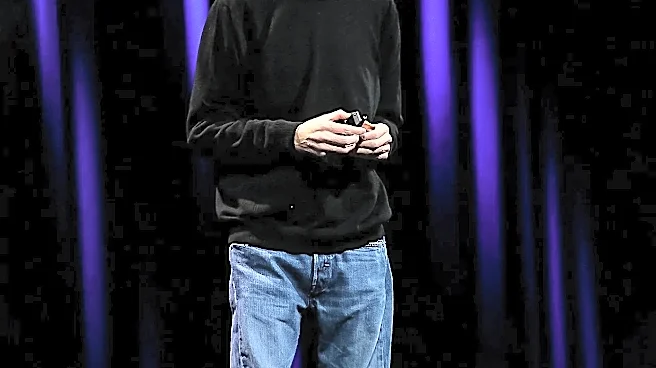
The headlines of the 90s often focused on speeds, feeds, and Apple's corporate struggles. What they missed was the quiet revolution happening on millions of desktops. The true, lasting importance of Mac OS Classic wasn't just one feature, but its overarching philosophy. It championed the idea that a computer should be accessible and intuitive for everyone, not just experts. It proved that a graphical user interface could be both powerful and elegant. While its technical underpinnings, like cooperative multitasking, were becoming dated, its user-facing principles were not. This relentless focus on the user experience is the thread that connects the smiling Mac of System 7 to the iPhone in your pocket. When Steve Jobs famously held a funeral for Mac OS 9 on stage in 2002, he wasn't just burying an operating system. He was acknowledging the end of an era, one that had successfully laid the cultural and philosophical groundwork for the next two decades of Apple's—and the industry's—success.