
Steve Wozniak: The Technical Genius Co-Founder
Like Paul Allen, Steve Wozniak was the technical wizard behind a revolutionary partnership. While Steve Jobs was the visionary marketer, 'Woz' was the engineering soul who single-handedly designed the Apple
I and Apple II computers that launched the company. After leaving Apple in 1985, Wozniak didn't chase the spotlight. Instead, he pursued his passions, founding a company that created the first universal remote and dedicating himself to teaching computer skills to children. This mirrors Allen's lower-key public profile compared to Bill Gates and his focus on personal-interest projects post-Microsoft. Both Wozniak and Allen exemplify the quieter, deeply technical co-founder whose influence is foundational but whose post-fame life is driven by personal curiosity rather than corporate ambition.
Jeff Skoll: The Second-Act Social Evangelist
If Paul Allen's Vulcan Inc. was the vehicle for his diverse passions, Jeff Skoll's post-eBay life shows a similar ambition to use wealth for systemic change. As eBay's first president, Skoll became a billionaire and immediately pivoted to philanthropy and social impact. He founded Participant Media, a film production company dedicated to creating movies with a social conscience, such as "An Inconvenient Truth" and "Spotlight." This is a direct parallel to Allen, who founded Vulcan Productions to create films and documentaries. Both men leveraged their tech fortunes not just to give money away, but to build new organizations that could shape culture and public discourse around the issues they cared about.
Elon Musk: The Multi-Industry Empire Builder
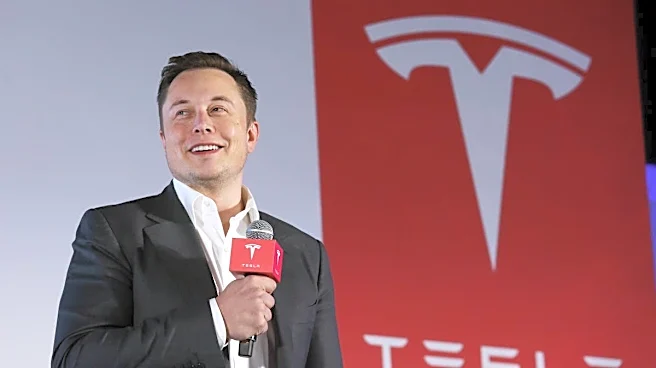
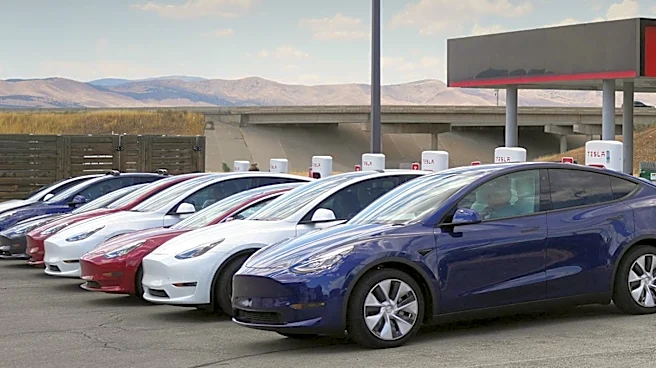
While their styles differ, Elon Musk is perhaps the clearest modern heir to Paul Allen's multi-faceted ambition. Where Allen had Vulcan Inc. to manage his interests in space (Stratolaunch), AI (Allen Institute for AI), and media, Musk operates a portfolio of seemingly disconnected, high-risk, capital-intensive ventures in Tesla (electric vehicles), SpaceX (rockets), and Neuralink (brain-computer interfaces). The common thread, much like with Allen's ventures, is a belief that technology can solve fundamental human challenges. Allen funded the first private crewed spaceplane, SpaceShipOne, a spiritual predecessor to Musk's work at SpaceX. Both men demonstrate a rare ability to manage sprawling, technically complex empires that go far beyond their original claim to fame.
Jack Dorsey: The Dual-Threat CEO
For a time, Jack Dorsey attempted what few founders ever consider: running two major public companies simultaneously. As CEO of both Twitter (now X) and Square, Dorsey split his days between two distinct, demanding businesses. He famously themed his workdays, focusing on specific areas like product or marketing across both companies on the same day to maintain context and discipline. This act of extreme executive multitasking echoes the way Paul Allen managed his vast and varied portfolio through Vulcan Inc. While Allen had stepped back from a day-to-day CEO role, his oversight spanned sports teams, real estate, scientific research, and more, requiring a similar ability to context-switch and apply strategic thinking across wildly different domains. Dorsey’s tenure as a dual-CEO is a modern case study in the kind of focus and structured leadership required to juggle such broad interests.
Marc Andreessen: The Builder Turned Kingmaker
Marc Andreessen’s career arc is a journey from creating a foundational piece of the internet to shaping its future. He co-created Mosaic, the first widely-used web browser, and co-founded Netscape, a company that defined the early commercial web. After selling his second company, Opsware, to HP, Andreessen could have followed a typical retirement path. Instead, he co-founded Andreessen Horowitz (a16z), which became one of Silicon Valley's most influential venture capital firms. This transition from operator to ecosystem-builder mirrors Allen's second act. Allen used Vulcan Capital to invest in and nurture over 40 technology and media companies, using his capital and experience to fuel the next generation. Both men successfully transitioned from building a single revolutionary product to building and funding the very ecosystem that would produce the next wave of innovation.