





A Preview of Your Future Workspace
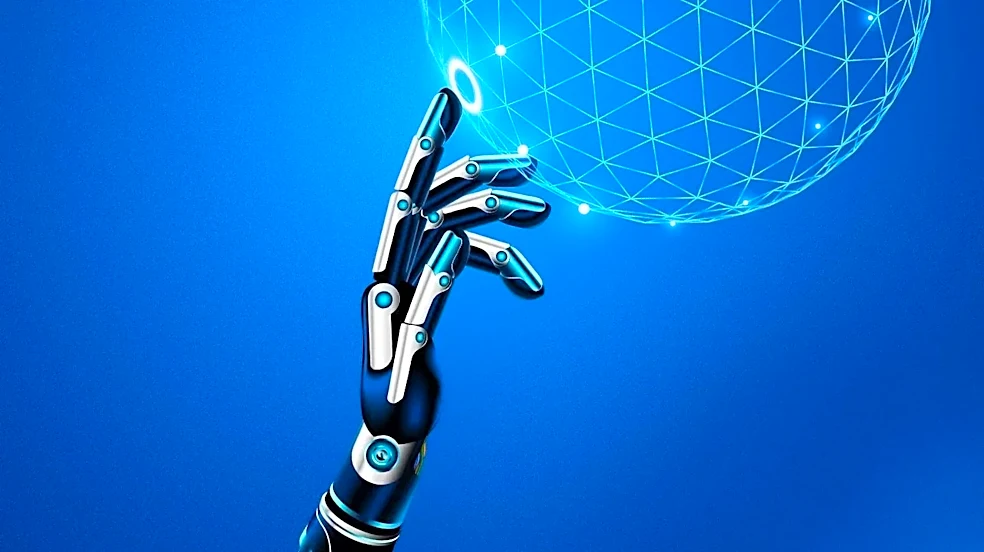
Long before new technology hits American office parks and factory floors, it often debuts on a global stage. GITEX has become a key launchpad for the next generation of 'physical AI' and robotics. The 2026 show is expected to heavily feature advanced
humanoid robots, a market that has seen explosive growth. While flashy dancing robots grab headlines, the important trend to watch is practicality. These machines are being designed for specific, tangible roles in logistics, manufacturing, and hospitality. The autonomous systems and vision-powered drones showcased in Dubai are direct precursors to the tools that will automate warehouses, manage inventory, and change the face of service industries in the U.S. within the next few years.
Smarter Cities and Public Services
GITEX is not just about consumer gadgets; it’s a massive forum for government and enterprise technology. The focus on 'intelligent cities' provides a roadmap for how AI will be integrated into public life. This includes everything from AI-managed traffic grids and energy systems to sophisticated platforms for public safety and data management. Dubai itself is often used as a real-world testbed for these technologies. For American audiences, this is a chance to see large-scale AI infrastructure in action. The successes and failures of these ambitious projects in the UAE offer valuable lessons for U.S. cities exploring how to use technology to become more efficient, sustainable, and responsive to citizens' needs.
AI That Gets Personal
From digital health to fintech, a major theme at GITEX is the hyper-personalization of services through AI. Think wearable technology that goes beyond step counting to provide real-time health diagnostics or financial apps that use predictive AI to offer genuinely useful advice. The event is a hub for startups in these fields, often accelerated by the accompanying 'Expand North Star' conference. These companies are competing to build the next layer of AI that integrates seamlessly into our daily lives. The concepts and user interfaces tested here will inform the evolution of the apps and smart devices that become mainstream in the U.S., shaping how we manage our health, money, and personal data.
The Global AI Supply Chain
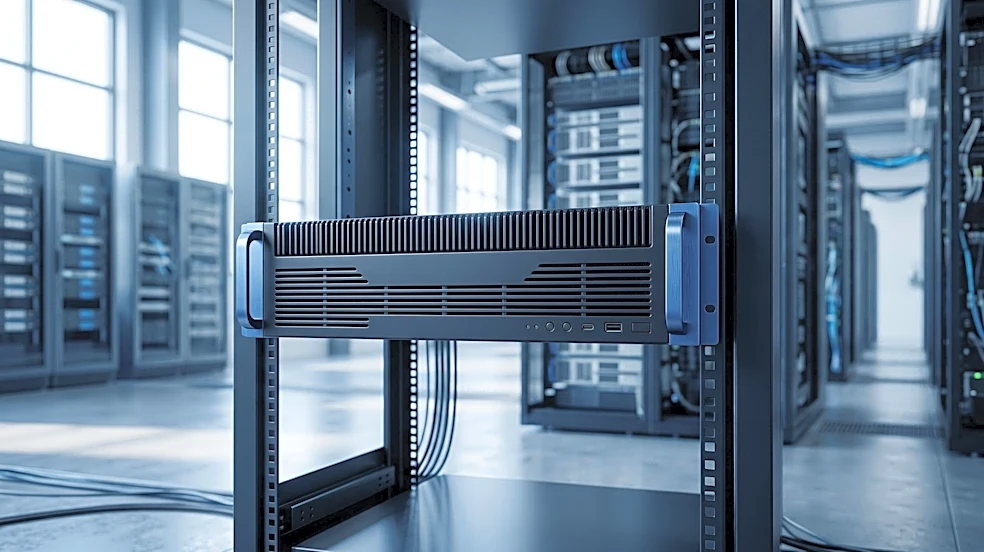
Ultimately, GITEX serves as a global bazaar for the entire tech ecosystem, from semiconductors and data centers to enterprise software and cybersecurity. It brings together founders, investors, and policymakers from around the world. The partnerships formed and deals struck in Dubai influence the global supply chain and determine which technologies get the funding and scale needed to reach global markets. For the U.S., which is in a constant state of 'coopetition' with other tech hubs, GITEX is a bellwether. It reveals where international investment is flowing, which new players are emerging as serious competitors, and how the global AI landscape is shifting—trends that have direct consequences for Silicon Valley and the broader American tech industry.