


The AI Moat: An Ecosystem More Secure Than Ever
For years, Apple’s ‘walled garden’ has been its greatest strength. The seamless way an iPhone talks to a Mac, iPad, and Apple Watch creates a user experience that’s hard to leave. Now, Apple is reinforcing those walls with a new kind of mortar: deeply
integrated, privacy-focused artificial intelligence. Unlike competitors who rely heavily on the cloud, Apple's strategy is to handle as much AI processing as possible directly on the device. This on-device approach, which Apple frames around privacy, means its new AI features are woven into the very fabric of the operating system. It’s not an app you open, but an ambient intelligence layer that understands your personal context—your messages, your photos, your calendar—without sending that sensitive data to a server. This makes the ecosystem incredibly powerful and personal, raising the switching cost for anyone considering a move to Android.
The Upgrade Engine: Tying Software to Silicon
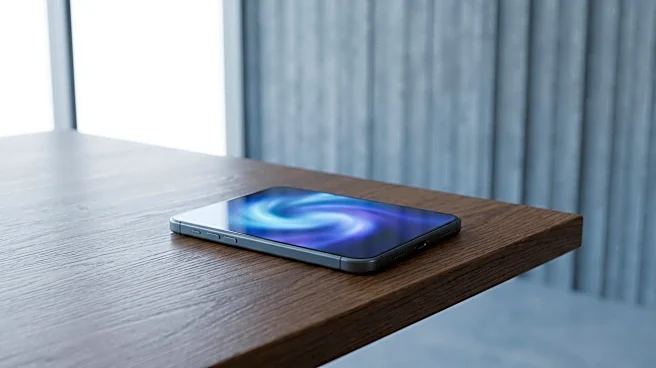
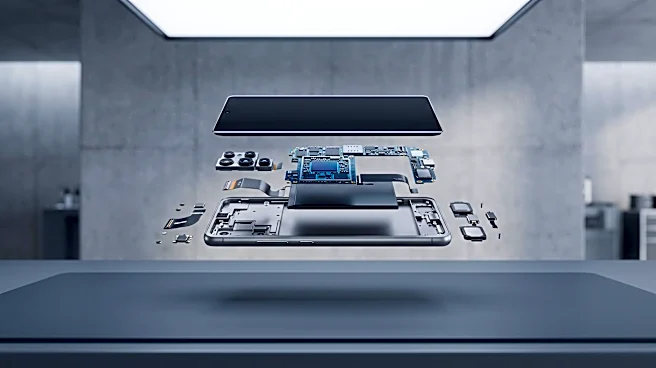
Herein lies the paradox. While these powerful AI features make the Apple ecosystem more attractive, they also serve as a powerful tool to drive hardware sales. Apple has made it clear that the most advanced Apple Intelligence features require its latest and most powerful chips. The reasoning is that the on-device processing needed for these tasks demands significant neural engine performance that older hardware simply can't provide. For the upcoming iPhone 18, this means the most compelling new AI capabilities will likely be exclusive to the new A-series chips. Suddenly, a perfectly functional two or three-year-old iPhone feels incomplete. The decision to upgrade is no longer just about getting a better camera or a brighter screen; it's about not being left out of the next generation of computing. It’s a manufactured pressure, transforming a software evolution into a hardware sales event.
The Consumer's Dilemma in a Lengthening Cycle
This strategy arrives at a time when people are holding onto their phones longer than ever. In the U.S., the average smartphone replacement cycle has stretched to well over three years, with many users keeping their devices for four or even five years. Phones are more durable, and incremental hardware updates have felt less essential. Apple’s AI push is a direct challenge to this trend. It creates a new kind of obsolescence: functional obsolescence. Your iPhone 16 might still be fast, with a great battery and a beautiful display, but if it can’t access the full suite of AI-powered Siri features or advanced photo editing tools, it feels outdated. This puts consumers in a tough spot. Do you stick with a device that works perfectly well for 95% of tasks, or do you spend over a thousand dollars to access the new, deeply integrated intelligence that Apple presents as the future?
Apple's Long Game: Control and Continuity
Ultimately, this paradox isn't a flaw in Apple's strategy—it is the strategy. By fusing its most desirable software innovations to its newest hardware, Apple ensures the two sides of its business feed each other in a perpetual loop. AI strengthens the ecosystem, making it indispensable, while the hardware requirements for that same AI drive the upgrade cycle that fuels Apple's revenue. It's a masterful balancing act. The company controls the hardware, the operating system, the privacy framework, and the user experience from end to end. On-device AI is the ultimate form of this control, as the intelligence is fused to the silicon itself. While competitors focus on winning the chatbot wars in the cloud, Apple is focused on owning the device where users actually live their digital lives, making its ecosystem the one place where AI feels truly personal and seamless.