








The Dream: Starting with a Perfect Prototype
Every product, including the sleek, minimalist nodes of a TP-Link Deco mesh system, begins as an idea. Industrial designers create prototypes that represent the ideal version of the product. These early models are built with aesthetics and theoretical
performance in mind, often using premium materials and construction methods that aren't feasible for mass production. This initial design is a goalpost—a vision of what the product could be in a world without budgets, regulations, or the pesky laws of physics. It's meant to get executives, marketing teams, and potential buyers excited. But this perfect concept is just the first step in a long journey filled with compromises.
The Reality Check: Engineering and Physics
Once a design is approved, engineers get to work making it functional. This is often where the first major changes happen. For a Wi-Fi router, antenna placement is everything. The beautiful, seamless enclosure from the prototype might actually block or interfere with radio signals. As a result, the final shape may be altered to optimize coverage and performance. Heat is another major factor. High-performance networking gear, especially with the advent of Wi-Fi 7, generates significant heat. A prototype's solid, elegant shell might be an oven in disguise. The production model, therefore, often features more ventilation grilles, a larger footprint for better heat dissipation, or different materials that are less prone to trapping warmth. These aren't downgrades; they are necessary adjustments to ensure the device doesn't overheat and provides a stable connection.
The Bottom Line: Designing for Manufacturing and Cost
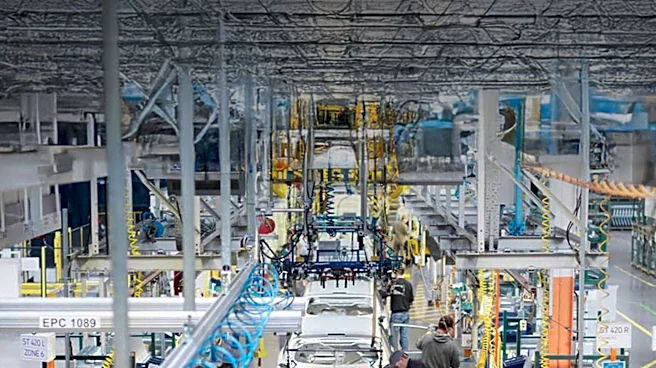
A product isn't successful if no one can afford it. The practice of "Design for Manufacturing" (DFM) is crucial for transitioning from a single prototype to millions of units. That hand-polished aluminum shell on the concept model? It might be replaced with a high-quality textured plastic that’s far cheaper and faster to produce. Complex curves might be simplified to make the injection molding process more reliable and less error-prone. Component selection is also a battle of cost versus performance. Engineers must source millions of processors, memory chips, and capacitors. A component that works perfectly in a prototype may be too expensive or unavailable at the scale needed for a full production run, forcing a switch to an alternative that meets the performance targets within budget. This cost optimization is what makes powerful mesh systems like the Deco accessible to a mainstream audience rather than being a luxury item.
The Rulebook: Regulatory and Supply Chain Hurdles
Before any electronic device that transmits a radio signal can be sold in the United States, it must receive authorization from the Federal Communications Commission (FCC). This process involves rigorous testing to ensure the device doesn't interfere with other wireless signals and complies with safety standards. Sometimes, these tests require last-minute design changes to the casing, antenna layout, or power output. More recently, the FCC has also implemented rules restricting the sale of new models of foreign-made routers, citing national security concerns. While existing models are unaffected, this adds another layer of complexity for companies like TP-Link, potentially influencing future design and manufacturing locations. Furthermore, the global supply chain is fragile. A shortage of a specific chip or a sudden increase in shipping costs can force a manufacturer to redesign parts of a product even after it has been announced, leading to visual or internal differences in the final version that reaches store shelves.