






The Illusion of a Binance Coin
For years, BUSD was marketed and perceived as 'Binance's' dollar. It was launched in 2019 as a partnership, quickly becoming the preferred stablecoin across Binance's vast ecosystem for trading, lending, and earning yield. For millions of users, the branding
was everything: BUSD was a trusted, stable, dollar-pegged asset from the biggest name in crypto. Its market cap soared, making it the third-largest stablecoin and a cornerstone of the digital asset economy. The message was clear: this was a safe harbor, backed 1:1 by U.S. dollars and integral to the Binance empire. It was an essential part of the exchange's strategy to dominate the market, even prioritizing it over other stablecoins on its platform.
The Hidden Partner in Plain Sight
But BUSD wasn’t actually Binance’s coin. It was issued and managed by a separate, New York-based company called Paxos Trust Company. Paxos was regulated by the New York Department of Financial Services (NYDFS), a fact that was often touted as a strength, lending BUSD an air of legitimacy and safety that other stablecoins lacked. Critics, however, saw this structure not as a strength, but as a critical flaw. They pointed out that by tethering its branded stablecoin to a single, U.S.-regulated entity, Binance was creating a centralized point of failure. The fate of BUSD was not ultimately in Binance's hands, but in the hands of American regulators who had jurisdiction over Paxos. While the branding screamed Binance, the legal and operational reality was all Paxos.
The Day the Regulators Arrived
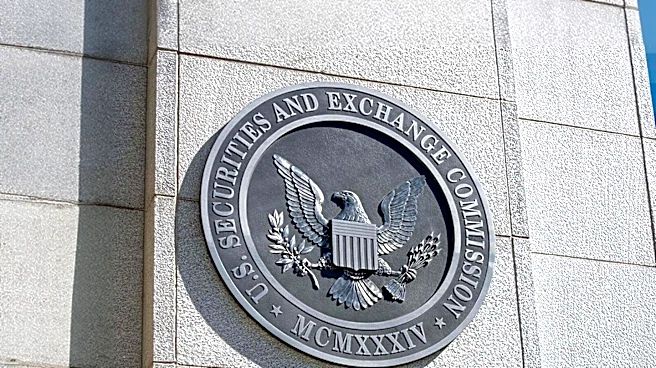
That critical vulnerability became a catastrophic failure in February 2023. The NYDFS ordered Paxos to stop minting all new BUSD tokens. The regulator cited "unresolved issues related to Paxos' oversight of its relationship with Binance." Suddenly, the engine that created BUSD was shut off, not by market forces or a technical glitch, but by a regulatory decree. The U.S. Securities and Exchange Commission (SEC) also got involved, sending a notice to Paxos suggesting BUSD could be an unregistered security. The critics' warnings had come true with stunning speed. The very thing that gave BUSD its veneer of safety—its regulated U.S. issuer—became the instrument of its demise. Without the ability to create new tokens, the stablecoin was put on a path to extinction.
The One Thing: A Borrowed Jurisdiction
So, what was the one thing BUSD's critics got right? They understood that you cannot build a global, unregulated empire on a foundation that is, ultimately, regulated by someone else. Binance, a company famous for its lack of a formal headquarters and its clashes with regulators worldwide, had tied its crucial stablecoin to the strict oversight of New York State. Critics saw that this 'regulatory arbitrage' was a ticking time bomb. The moment U.S. regulators decided to act, they didn't need to have jurisdiction over Binance; they only needed jurisdiction over Paxos. By ordering Paxos to turn off the BUSD printer, the NYDFS effectively neutered Binance's signature stablecoin from afar. The downfall of BUSD wasn't about the peg breaking or reserves being insufficient; it was about a simple, structural reality that branding couldn't hide: its fate was always in the hands of a regulator Binance couldn't control.