


The Diner Meeting and The PalmPilot Dream
In 1998, the internet was a frontier, and Silicon Valley was buzzing with the dot-com boom. It was in this electric atmosphere that a Polish-born immigrant, Luke Nosek, found himself at a crucial intersection. After a stint at Netscape, he reconnected
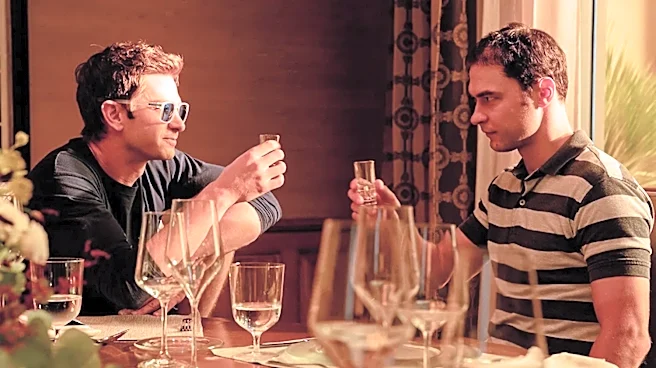
with a brilliant University of Illinois classmate, Max Levchin. Nosek then introduced Levchin to Peter Thiel, an investor and friend. The three, along with Ken Howery and Yu Pan, founded a company called Confinity in December 1998. Their initial vision wasn't the email payment system we know today. Instead, they aimed to create a way to 'beam' money between PalmPilots and other PDAs, a concept that felt revolutionary at the time. Nosek, serving as Vice President of Marketing and Strategy, was central to this early push, bringing the core team together and shaping the initial concept.
A Million Users, A Mountain of Problems
The PalmPilot idea was clever, but it had a flaw: not enough people were using it. The real magic happened when the team noticed a small, experimental feature taking off: the ability to send money via email. This pivot became PayPal. As VP of Marketing, Nosek's strategies were incredibly effective. He was instrumental in launching the company's marketing efforts, which included a bonus program that gave new users cash for signing up and referring friends. The growth was explosive. Within the first six months, they had a million customers. But this success came at a terrifying cost. The company was hemorrhaging money, a situation known as a high 'burn rate'. Even more alarmingly, the platform was being targeted by massive, automated fraud, with criminals using stolen credit cards to drain funds. The company was losing millions per month to fraud, pushing the startup to the brink of collapse.
The War with X.com
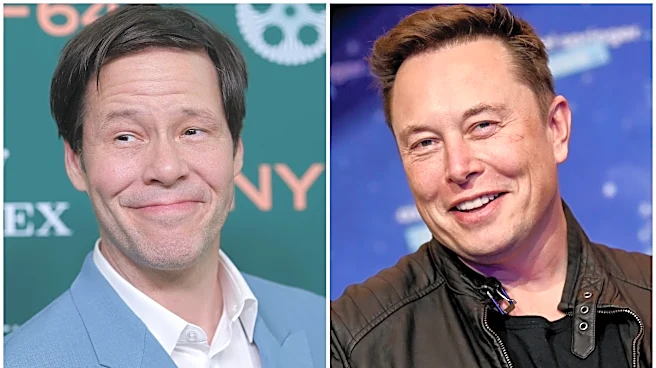
As if internal crises weren't enough, Confinity found itself in a direct and brutal battle for market dominance. Their primary competitor was X.com, a financial services startup founded by Elon Musk, which also offered email payments. The two companies were located on the same street in Palo Alto and were locked in what has been described as a 'mortal enemy blood feud'. They aggressively competed for users, particularly on the burgeoning eBay marketplace, by offering increasingly large sign-up bonuses, further accelerating their cash burn. It was an expensive and stressful war of attrition that threatened to bankrupt both startups. Realizing they were on a path to mutual destruction, Peter Thiel began negotiating with X.com. This led to a tense but necessary 'merger of equals' in March 2000, combining the two rivals.
Survival and a New Kind of Success
The merger was anything but smooth. The new, combined company was fraught with internal power struggles and technical disagreements. Yet, it survived. Luke Nosek's role in creating the 'instant transfer' product proved to be PayPal's most profitable feature, providing a much-needed financial anchor. The relentless focus on solving problems during that first year—from consumer adoption to fraud to intense competition—provided a crucible experience for the entire team. After eBay acquired PayPal for $1.5 billion in 2002, Nosek and other early employees went on to found or fund some of the most influential companies in modern technology, including YouTube, LinkedIn, and Yelp, earning them the nickname the 'PayPal Mafia'. Nosek himself would later reflect that despite the immense financial success, the period left him feeling unfulfilled, prompting a personal search for a new definition of success beyond money.