





Forget Specs, Focus on the Brains
The conversation about phones usually gets bogged down in numbers: gigabytes of RAM, megapixels, processor speeds. Your friend doesn't care, and frankly, they don't have to. The core of the Pixel is different. Start by saying this: “It’s the phone made
by Google, the same people who make Search and Maps.” This is the easiest entry point. Google’s strength has always been in services and software, not just hardware. A Pixel delivers a “pure” Android experience, which means it’s clean, simple, and doesn't have a bunch of extra apps from other companies clogging it up. Think of it like getting a car directly from the company that designed the engine and the navigation system. Everything is designed to work together seamlessly from the start, which often translates to a smoother, more intuitive experience over time.
The Camera That Thinks for You
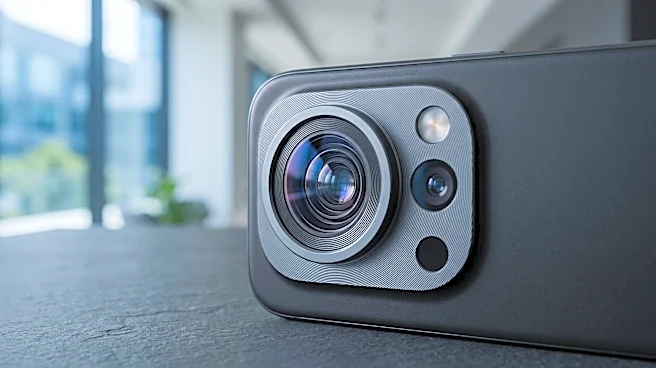
Almost everyone uses their phone as their primary camera, making this the most relatable feature. But don't talk about lens apertures or sensor sizes. Talk about results. The Pixel's camera reputation is built on what's called computational photography. Explain it like this: “The camera’s secret weapon is artificial intelligence. It takes the picture, but then Google’s AI instantly analyzes and improves it.” This is what allows for features that solve common photo frustrations. Mention real-world examples. Talk about Night Sight, which lets you take clear photos in near darkness without a harsh flash. Or bring up Magic Eraser, a tool that can remove distracting people or objects from the background of a perfect shot. For the Pixel 11, new features like Magic Capture reportedly analyze hundreds of frames to make sure you never miss the perfect moment, even if your timing was a little off. It’s not about being a better photographer; it’s about the phone working harder so you don’t have to.
A Phone That’s Actually a Helper
This is where you bridge the gap between “smartphone” and “smart device.” A Pixel is designed to be proactive and helpful in small ways that add up. Google's vision is to create a phone that anticipates user needs. Focus on features that save time and reduce annoyance. A great example is Call Screen, where the Google Assistant can answer a call from an unknown number for you and ask who is calling and why. You see a live transcript and can decide whether to pick up. Other features, powered by Google's AI platform Gemini, are woven into the device to help manage daily tasks, from transcribing conversations to holding your place in line on a customer service call. Frame it this way: “Instead of you working for the phone, the phone works for you.” It’s about solving the little frustrations of modern life.
So, What's the Big Deal with '11'?
Your friend might ask what makes the Pixel 11 so different from the Pixel 10 or even the Pixel 9. This is a chance to explain Google’s philosophy. With many phone brands, the annual number bump is the main event. With Pixel, the hardware is important, but the continuous software evolution is the real story. Many of the most exciting AI features are delivered through software updates, meaning the phone you buy actually gets better over time. Explain that the number “11” represents the latest package of hardware and software, bringing refinements to the core ideas Google has been building for years. The Pixel 11 and 11 Pro will have the newest processor and the latest camera upgrades, but the experience is an evolution. The most helpful way to see it is that you aren’t just buying a static piece of hardware; you’re buying into an ecosystem that is constantly improving.