





The Old Habit: Counting iPhones
For years, the narrative around Apple was simple: the company’s fortunes rose and fell with the iPhone. Analysts, journalists, and investors were locked in a cycle of predicting and dissecting quarterly sales figures. A dip in iPhone shipments could send
shockwaves through the market, while a surge was cause for celebration. This focus made sense when the smartphone market was still in its high-growth phase. The iPhone was not just a product; it was a cultural and financial juggernaut, single-handedly responsible for the majority of Apple’s revenue. But as the smartphone market matured and growth inevitably slowed, Apple was already quietly building its next act. The company recognized that selling a phone is a one-time transaction, but owning the customer’s digital life is a source of recurring, high-margin revenue.
The Real Engine: Services and the Ecosystem
The pivot from a hardware-first company to an ecosystem-first behemoth has been deliberate and incredibly successful. Apple's Services division—which includes the App Store, Apple Music, iCloud, Apple Pay, and Apple TV+—has become a massive business in its own right. While hardware sales can be cyclical and subject to competition, services provide a steady, predictable stream of income. More importantly, the profit margins are significantly higher. Selling another iPhone has costs associated with manufacturing and logistics, but selling a digital subscription is almost pure profit. This isn't an accident; it's by design. The company has systematically leveraged its massive installed base of over two billion active devices to create an unparalleled ecosystem. Each device sold is not just a product; it’s an entry point into a world of services that are seamlessly integrated, making them incredibly convenient for users and difficult to leave.
The Power of Distribution
This brings us to the real keyword: distribution. Apple’s true competitive advantage isn’t just its shiny hardware, but its control over the channels through which digital life is delivered. The App Store is the most powerful example. It is, for all intents and purposes, the global main street for the digital economy, facilitating over a trillion dollars in commerce. For a significant portion of this activity, Apple acts as the landlord, taking a commission on digital goods and services sold. This platform is a distribution network that no competitor can easily replicate. But distribution extends beyond the digital. Apple's physical retail stores are another critical pillar. These stores are not just places to sell products; they are brand embassies that control the customer experience from start to finish. They function as showrooms, service centers, and educational hubs, reinforcing the premium nature of the brand and ensuring a consistent message that third-party retailers can't always guarantee. This multi-channel approach gives Apple unmatched control over how its brand and products are perceived and sold.
The Flywheel That Never Stops
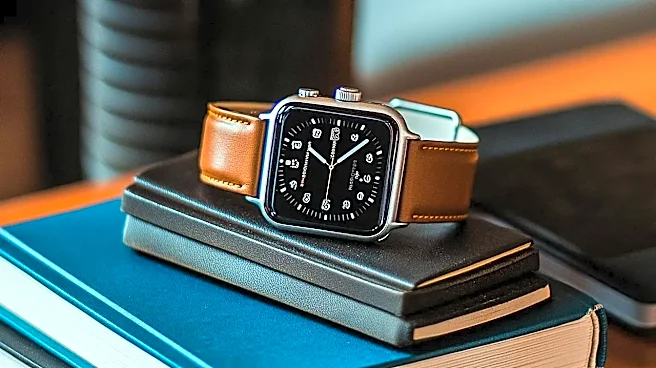
The magic of Apple’s model is how the hardware and the distribution network feed each other. A person buys an iPhone (hardware). They are then funneled into the App Store (distribution) to download apps. They might subscribe to Apple Music or buy more iCloud storage (services). The seamless experience of iMessage and FaceTime makes it harder to switch to Android. Soon, they buy AirPods and an Apple Watch, which work best with the iPhone, pulling them deeper into the ecosystem. This is the flywheel effect. The hardware creates the user base for the high-margin services. The services, in turn, make the hardware “stickier” and more valuable, increasing customer loyalty and making it almost unthinkable for a deeply embedded user to switch. This integrated system is Apple's fortress. While competitors can build a great phone or a decent music service, no one has successfully replicated the entire flywheel at Apple's scale and level of integration.