
The Myth: It’s a Passive Income Machine
The dream is simple: you buy a powerful box, plug it in, and watch the cryptocurrency roll into your digital wallet. Many online calculators even seem to confirm this, projecting daily profits that look
incredibly attractive. This perception of a 'set it and forget it' investment is perhaps the most dangerous misconception in the space. Investors see a piece of hardware and think of it like buying a stock that pays dividends. But an ASIC miner isn't a passive financial instrument; it's an active piece of industrial equipment that forms the core of a small business you've just started. Unfortunately, this business comes with operational demands that catch many by surprise.
The Reality: It’s an Active Industrial Operation
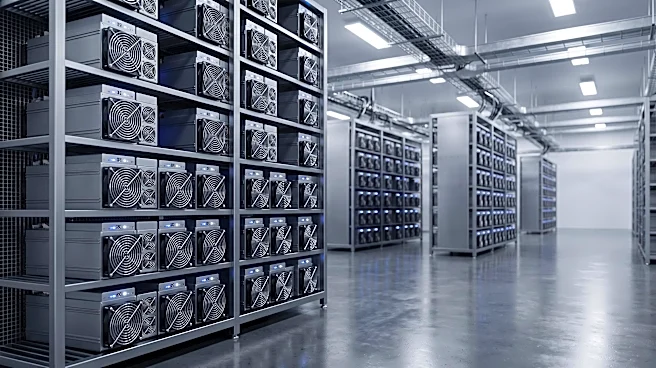
An ASIC miner is not passive. It is a specialized operating asset whose revenue can change by the hour, while its costs—electricity, hosting, and potential repairs—are constant. Successfully running an ASIC requires active management. This includes monitoring its performance, ensuring it has adequate cooling and stable power, managing its connection to a mining pool, and keeping its firmware updated. The machine itself generates significant heat and noise, often making it unsuitable for a residential setting. Thinking you can just leave it in a closet is a recipe for a dead machine and a painful learning experience. It’s less like owning a dividend stock and more like operating a small, noisy, and very hot factory in a box.
The Myth: The Hardware Is a Lasting Asset
When you spend thousands of dollars on a piece of equipment, you expect it to hold its value for a reasonable amount of time. Investors often treat the high upfront cost of an ASIC miner—which can range from $2,000 to over $10,000 for top models—as a capital investment in a durable asset. They assume that, like a car or a computer, it will have a predictable depreciation schedule over several years. They might even assume they can sell it later to recoup a good portion of their initial outlay. This assumption ignores the brutal economics of the hardware arms race.
The Reality: ASICs Depreciate Brutally and Quickly
An ASIC miner's value isn't tied to its physical condition as much as its competitive lifespan. The single biggest driver of depreciation is the release of newer, more efficient models. A new generation of miners can render the previous one unprofitable almost overnight, causing its resale value to plummet. While a machine might physically function for 3 to 5 years, its profitable economic lifespan can be as short as 2 years or even less. This is because profitability is a function of its efficiency (how much crypto it mines per watt of electricity) compared to all other machines on the network. As mining difficulty constantly rises to account for more powerful hardware joining the network, older, less efficient machines get pushed out.
The Myth: Profitability Is Easy to Calculate
Countless 'ASIC profitability calculators' exist online. An investor plugs in the machine's hashrate and the current price of Bitcoin, and the website spits out a dollar figure for daily profit. It seems straightforward, leading many to believe they have a clear picture of their return on investment. They budget based on this number, assuming it's a reliable forecast. The problem is that these simple calculators often omit the very variables that determine actual, real-world profit and loss.
The Reality: Profitability Is a Razor-Thin, Volatile Edge
True profitability is a complex and constantly shifting equation. The key variables are the price of the cryptocurrency, the total network mining difficulty, and your all-in electricity cost. Two of those three are completely out of your control. A drop in Bitcoin’s price or a spike in network difficulty can wipe out a profitable operation in days. Your electricity cost is the one major variable you can control, and it's paramount. For most home miners in the U.S., residential electricity rates are simply too high to compete. Profitable operations hinge on securing power for under $0.08/kWh, a rate far below what most households pay. Hidden costs for cooling, maintenance, and mining pool fees further erode the margins that looked so appealing on a simple online calculator.