




The Constitution in the Code
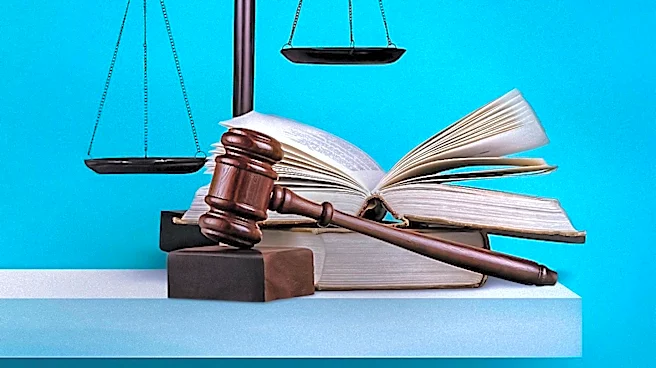
The centerpiece of Claude's architecture is a concept called 'Constitutional AI' (CAI). Instead of relying exclusively on massive, expensive rounds of human feedback to police the model's behavior, Anthropic gave the AI a written constitution—a set of principles
to follow. This constitution guides the model in critiquing and revising its own responses to be more helpful and harmless. During its training, the model essentially learns to self-correct based on these foundational rules, much like a person referencing their own moral compass. This approach doesn't eliminate human oversight, but it makes it more efficient and transparent. Rather than playing whack-a-mole with bad outputs, humans define the principles at the outset.
A Prediction of Safer, More Predictable AI
So, what does this architectural choice predict for the next ten years? First and foremost, a major shift from a pure 'capabilities arms race' to a focus on reliability and safety. By encoding principles directly into the training process, the CAI model predicts a future where enterprise and professional users can trust AI to operate within predictable, ethical boundaries. Imagine AI assistants in healthcare, finance, or law that are not just powerful, but are fundamentally built to avoid causing harm and to explain their reasoning when they refuse a dangerous request. Claude's architecture suggests the most valuable AI of the next decade won't be the one that's merely the most powerful, but the one that is the most trustworthy.
The End of the One-Size-Fits-All Model
Another key feature of Claude's design is that it’s not a single entity. It's a family of models—like the powerful Opus, the balanced Sonnet, and the speedy Haiku. This 'family' approach is a strong indicator that the future of AI isn't a single, monolithic super-brain doing everything. Instead, the next decade will likely be defined by a diverse ecosystem of specialized models. Businesses won't need to pay for a sledgehammer when a screwdriver will do. This trend points toward more efficient, cost-effective AI solutions tailored for specific tasks, from running simple customer service chats to performing complex data analysis. The era of using one massive, expensive model for every little thing is likely coming to an end.
From Content Moderators to AI Legislators
If AI can self-correct based on a constitution, what happens to the thousands of people currently working to filter AI content? Claude's architecture doesn't predict their obsolescence, but rather an evolution of their role. The focus will shift from reactive moderation to proactive governance. The next decade will likely create a new class of jobs: 'AI constitutionalists' or 'AI ethicists' who are responsible for drafting, debating, and updating the principles that guide AI systems. Instead of cleaning up messes after the fact, the crucial human-in-the-loop will be the one setting the rules of the game from the start, ensuring AI systems align with societal values.