





The Illusion of Software Privacy
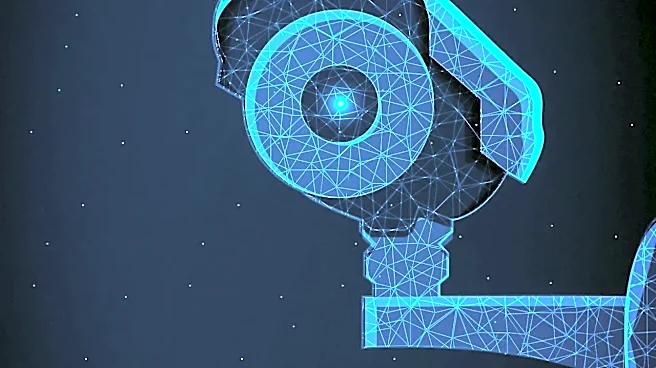
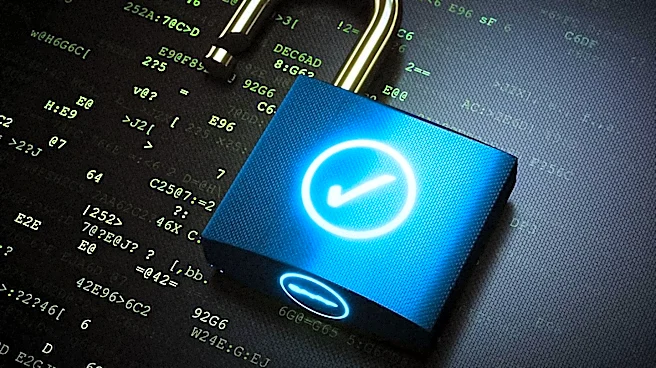
On a spec sheet, a 'Privacy Mode' sounds like a foolproof feature. It promises that with one tap in an app, your camera stops watching. But there is a fundamental difference between software-based privacy and physical privacy. Software privacy relies
on a chain of trust: you must trust the device hardware, the manufacturer's cloud servers, and the integrity of the mobile app. If a hacker gains access to your account or if a company's server is compromised, a software switch can be bypassed remotely. This isn't just theoretical; historical incidents involving major brands have shown that software vulnerabilities can allow unauthorized individuals to view footage or even interact with users through two-way audio. When you rely solely on software, you are essentially asking the manufacturer to keep their word that the lens is truly dark.
Why Physical Shutters are Gold Standards
If you want true peace of mind, look for a physical privacy shutter. This is a mechanical component—either a sliding cover that blocks the lens or a motorized mount that physically turns the camera toward a wall. When a lens is physically obstructed, it doesn't matter if your account is hacked or if your Wi-Fi is intercepted; there is simply no visual data to capture. For high-sensitivity areas like nurseries or living rooms where family members gather, a physical shutter provides a layer of security that no amount of encryption can match. It offers a visual confirmation of privacy that an app icon simply cannot provide.
The Hidden Risks of Audio Recording
Most modern cameras are designed to be more than just eyes; they are ears. While two-way audio is convenient for talking to pets or delivery drivers, it introduces significant legal and privacy complexities. In many U.S. jurisdictions, recording audio is governed by much stricter laws than recording video. Some states operate under all-party consent rules, meaning recording an oral conversation without everyone's permission could potentially violate wiretap statutes. To mitigate this risk, many experts suggest disabling the microphone via the device settings or choosing cameras that offer physical ways to muffle or cut audio when you are home.
Storage: Cloud vs. Local
Where your video lives is just as important as how it is captured. Cloud storage is convenient because it ensures footage survives even if a thief steals the camera itself. However, it also means your most intimate moments are stored on a third-party server. Local storage, typically via a microSD card inserted directly into the device, keeps your data within your four walls. Choosing local storage can reduce monthly subscription fees and minimize the digital footprint of your household's daily activities, though it requires you to manage your own backups.
Navigating Legal Boundaries
Privacy isn't just about protecting yourself from hackers; it's about respecting the legal rights of those in your home. In the United States, there is a legally protected reasonable expectation of privacy in specific areas such as bathrooms and bedrooms. Deploying even concealed cameras in these sensitive locations can lead to serious legal repercussions. Generally, surveillance should be restricted to common areas like hallways or entryways where no such expectation exists. Being mindful of where you place your devices ensures that your pursuit of security doesn't cross into legal liability.