





The Pre-Mesh Dark Ages
Before companies like Eero and Google Wifi made mesh networking a household name around 2016, home internet was a different beast. Most people had a single, powerful-looking router bristling with antennas, often relegated to a dusty corner. This single point
of failure was expected to blanket an entire home with a reliable signal, a task it often failed. The result was a frustrating landscape of dead zones, buffering video, and dropped connections. For the average user, the solution was a clunky, unreliable range extender that often created more problems than it solved, forcing devices onto a second, slower network. For the “power user,” the solution was more complex. This user didn't just accept the router the cable company provided. They bought high-end hardware and dove into arcane web-based admin panels to tweak settings. Many installed custom open-source firmware like DD-WRT, unlocking enterprise-level control over their home network. This was a culture of tinkering, where performance was earned through technical know-how. The best router was the one you could bend to your will.
From Complexity to Simplicity
The first consumer mesh systems, led by Eero's debut in 2016, proposed a radical new philosophy. Instead of one all-powerful router, you had a team of small, elegant nodes that worked together. The setup wasn't handled through a web browser full of jargon, but a simple smartphone app that held your hand through the process. The system managed itself, automatically routing traffic through the best path and downloading its own security updates. It was designed to just work. This was a profound shift. The goal was no longer to provide a box with the most features and antennas; it was to deliver a seamless experience. These systems were built on mesh principles that had existed for decades, primarily in military and industrial applications, but they were packaged for the first time with an obsessive focus on consumer simplicity. The product wasn't just the hardware; it was the entire user-friendly ecosystem.
Why Power Users Resisted—And Then Converted
Initially, many power users were skeptical. These new mesh systems lacked the granular controls they cherished. There was no way to manually assign channels, prioritize specific device traffic with complex rules, or install custom firmware. To the tinkerer, it looked like a downgrade—a walled garden that sacrificed control for convenience. But then, a funny thing happened. The sheer reliability and whole-home coverage of mesh began to win them over. While a single, high-end router might offer higher peak speeds in the same room, a mesh system delivered consistently good speeds everywhere. Calls no longer dropped when you walked from the living room to the backyard office. The definition of a “power user” began to shift. It was less about the person who enjoyed spending a weekend optimizing their network and more about the person who needed a rock-solid foundation for a home filled with dozens of connected devices, 4K streaming, and remote work. Performance became more important than the process of achieving it.
The Mesh-ification of Everything
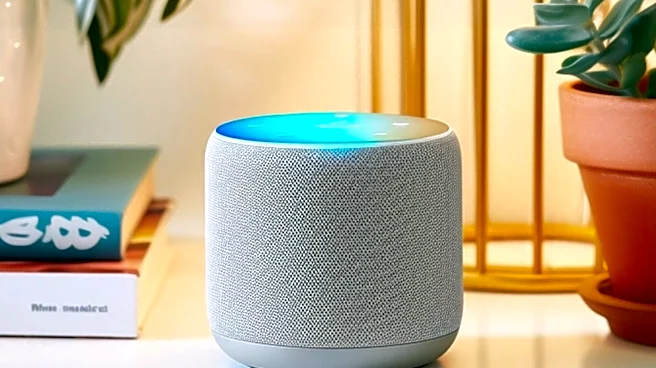
The quiet revolution of mesh Wi-Fi wasn't just about better internet. It established a new blueprint for what sophisticated consumer hardware could be. The core ideas—elegant and discreet hardware, dead-simple app-based setup, and a system of components that work together as a single entity—began to ripple across the tech industry. You can see its DNA in today's smart home. Modular security systems like SimpliSafe or Arlo, with a central hub and wireless sensors, echo the mesh model. Philips Hue lighting, where a bridge controls a house full of smart bulbs, follows a similar playbook. The expectation is no longer that you'll buy a single, complicated device. Instead, you buy into a scalable system that's easy to set up and manage from your phone. Mesh normalized the idea that powerful technology shouldn't require a technical background to use effectively, a lesson that has reshaped product design far beyond the world of networking.