









The Boss Who Said 'Vague, But Exciting'
Every world-changing idea needs a champion, or at least a manager willing to get out of the way. For Tim Berners-Lee, that was Mike Sendall. In 1989, when Berners-Lee submitted his proposal for a global hypertext system, it landed on Sendall's desk at CERN.
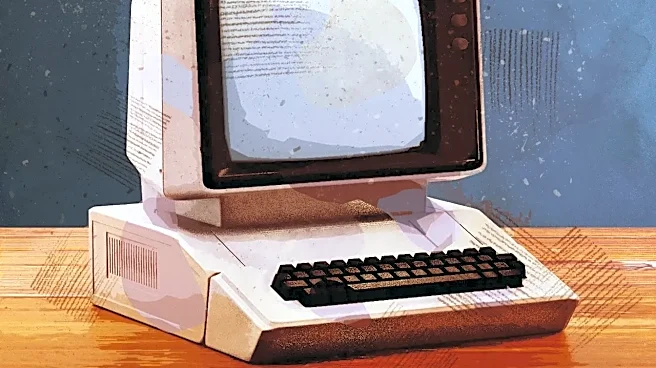
The now-famous verdict he scribbled on the cover was "Vague, but exciting". It’s a deceptively simple phrase that held immense power. In a different corporate or academic culture, a manager might have demanded a more detailed plan, a clearer budget, or a more direct application to CERN's primary mission. Sendall did the opposite. He gave Berners-Lee the go-ahead to explore the idea, and crucially, approved the purchase of a NeXT computer—the expensive, unconventional machine on which Berners-Lee would build the first web server and browser. Had Berners-Lee reported to a more bureaucratic or less imaginative boss, the 'WorldWideWeb' project might have died on that cover sheet, dismissed as a frivolous side-project.
The Partner Who Made It Official
If Berners-Lee was the architect, Robert Cailliau was the evangelist and political operator who ensured the project survived. A fellow hypertext enthusiast at CERN, Cailliau recognized the potential in Berners-Lee's proposal and joined him to co-author a more formal pitch for funding in 1990. Cailliau, who had more experience navigating CERN's internal hierarchy, was essential in getting the project the resources and legitimacy it needed. He lobbied relentlessly within CERN, organized the first-ever World Wide Web conference, and designed the web's original logo. Without Cailliau's tireless advocacy, Berners-Lee’s technical brilliance might have remained confined to his own workstation. The web needed a salesman as much as it needed an inventor, and Cailliau's presence on the team was a pivotal, though not initially guaranteed, development.
The Intern Who Broke Down the Walls
The first web browser was brilliant, but it had a huge flaw: it only worked on the pricey NeXT computer. This is where a 21-year-old math student on a work placement made a world-altering contribution. In late 1990, Nicola Pellow was tasked with building a more basic browser that could run on any machine. Learning the C programming language on the fly, she created the Line Mode Browser. It wasn't pretty—it was a text-only, command-line tool—but it was a game-changer. For the first time, anyone outside of a few labs with NeXT machines could access the web. This simple, stripped-down browser was what most early users experienced, and it was crucial for the web's initial spread. If a different intern had been assigned, or if the problem of cross-platform compatibility had been deemed too difficult, the web might have remained a niche, high-end toy instead of becoming a universal tool.
The Competitors That Almost Won
The World Wide Web wasn't invented in a vacuum. In the early 1990s, several other information systems were vying to become the standard for the internet. The most prominent was Gopher, a menu-driven system from the University of Minnesota that was, for a time, more popular and widespread than the web. Systems like WAIS also offered ways to search for information across networks. Berners-Lee and his team were acutely aware of these alternatives, even listing them on the world's first website. The key difference was the web's open, non-hierarchical, and decentralized nature. A different team, perhaps one with a more commercial or proprietary mindset, might have created a system that mirrored Gopher's more rigid structure. The fact that Berners-Lee and CERN ultimately decided to release the underlying code for free on April 30, 1993, was arguably the single most important decision, preventing the web from being locked down and allowing it to out-compete systems that were, for a moment, leading the race.