




The Fortress: A Walled Garden for Charging
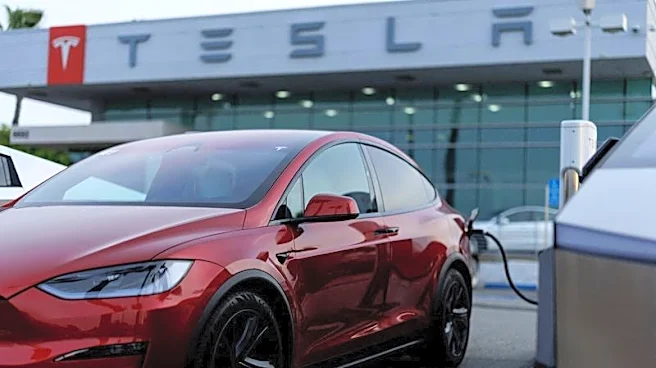
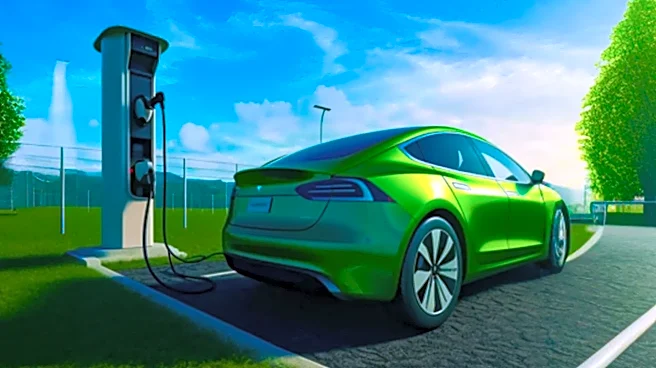
To understand the pivot, you have to remember the original strategy. For most of its history, Tesla's Supercharger network was a 'walled garden'—a private, high-speed charging oasis available only to Tesla owners. This was a massive competitive advantage.
While drivers of other EVs struggled with a fragmented and often unreliable public charging landscape, Tesla drivers enjoyed a seamless, dependable experience. It was a key reason to buy a Tesla. The network was never a profit center; it was a cost of sales, an investment designed to eliminate the biggest fear for prospective EV buyers: range anxiety. By building the best charging infrastructure, Tesla made its cars more attractive and justified its premium price point. This exclusive access helped build a fiercely loyal customer base and a powerful brand moat that competitors couldn't easily cross.
The Pivot: Tearing Down the Walls
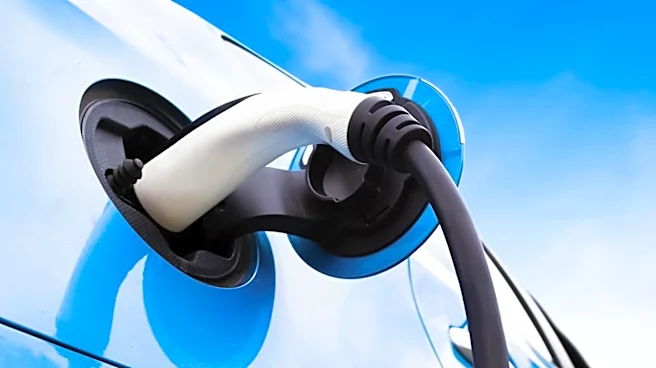
So why would Tesla tear down the walls of its fortress? The pivot involves opening up its previously exclusive Supercharger network to electric vehicles from other manufacturers, like Ford, GM, and Rivian. This move was driven by a mix of strategic foresight and opportunity. By making its plug design the industry-wide North American Charging Standard (NACS), Tesla positioned itself at the center of the entire EV ecosystem. This transition was also encouraged by government incentives, which tied federal funding for new chargers to open-access standards. Instead of fighting the tide, Tesla decided to become the tide. The move transforms the Supercharger network from a cost center designed to sell cars into a standalone business—a utility-like service that can generate revenue from a rapidly growing market of non-Tesla EVs.
The Direct Payoff: A New Revenue Engine
The most obvious way this pivot accelerates earnings is through direct revenue. Every time a Ford Mustang Mach-E or a Rivian R1T plugs into a Supercharger, Tesla gets paid. While Tesla doesn't break out Supercharging revenue as a separate line item, it's folded into its 'Services and Other' business segment. Tellingly, this segment achieved record profitability and margin in the second quarter of 2026. Analysts have estimated the charging network could already be on a multi-billion dollar annual revenue run rate. As virtually all major automakers adopt the NACS standard for their new vehicles, the pool of potential customers for Tesla's network is set to explode. This creates a new, high-margin, and recurring revenue stream that is less volatile than car sales and helps diversify Tesla's income beyond manufacturing.
The Indirect Gains: More Than Just Charging Fees
The financial benefits extend far beyond charging fees. By becoming the default charging provider, Tesla gathers immense amounts of data on charging behavior across all EV brands. This data is invaluable for planning network expansion, managing energy loads, and optimizing pricing. Furthermore, a dominant charging network strengthens Tesla's Energy division. A heavily used network requires significant grid support, creating a natural customer for Tesla's own Megapack battery storage solutions, which can store energy during off-peak times and deploy it during peak charging hours. This creates a virtuous cycle: more EVs using the network drives demand for more energy storage, which Tesla is uniquely positioned to supply. It helps explain why the company is in what it calls its "largest and most exciting period of investment," with capital expenditures expected to exceed $25 billion in 2026.
The Context: A Necessary Evolution
This pivot is especially critical in light of Tesla's recent financial results. The company's Q2 2026 earnings showed a mixed picture: record revenue of $28.24 billion, but a significant miss on profits, which sent the stock lower. Operating margins have been squeezed by heavy investment in AI and robotics, alongside a collapse in high-profit regulatory credit sales. This makes finding new, reliable profit centers more important than ever. While the automotive business faces margin pressure and the company burns through cash on ambitious future projects, the charging network offers a path to more immediate and predictable profitability. It provides a welcome counter-narrative to the story of slowing automotive profit growth, showcasing how Tesla can monetize its existing infrastructure and technological lead.