



The Q2 2026 Scorecard
On the surface, both companies delivered strong top-line revenue in the second quarter of 2026. Apple reported revenue of about $111 billion, powered by extraordinary demand for the iPhone 17 and a record-breaking $31 billion from its Services division.
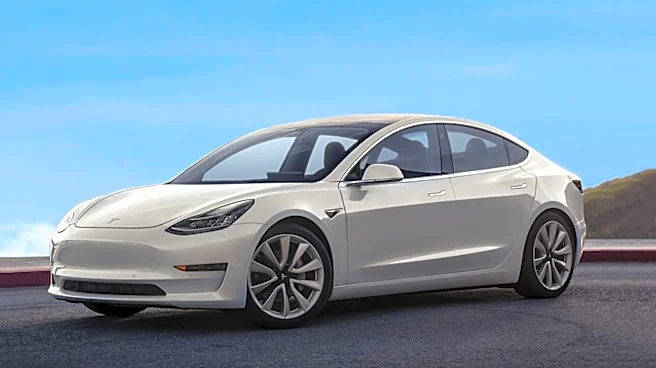
Tesla also saw revenue beat expectations, coming in at $28.24 billion on the back of a 25% year-over-year jump in vehicle deliveries. But that's where the simple comparisons end. While Apple's earnings per share (EPS) met expectations, Tesla's missed significantly, coming in at $0.33 versus a consensus of around $0.50. That single divergence explains the entire story: one company is a finely tuned profit machine, the other is in the middle of a massive, cash-burning buildout.
Apple: The Fortress of Predictable Profit
Apple's business model is the envy of the world for a reason: it's a fortress of high-margin hardware and sticky, recurring services. The iPhone remains the core, accounting for around half of all revenue. But the real story is the ecosystem it enables. With over 2.5 billion active devices worldwide, Apple has a captive audience to which it sells high-margin services like the App Store, iCloud, and Apple Pay. This services arm is now a $100+ billion annual business on its own, stabilizing the company against hardware sales cycles and producing enormous profits. Apple’s gross margin hovers near a stunning 47%. Investors love this model because it’s predictable and immensely profitable. You buy the expensive phone, then you pay to live in the beautiful world Apple built around it. It's a masterclass in ecosystem control.
Tesla: The All-or-Nothing Bet on Autonomy
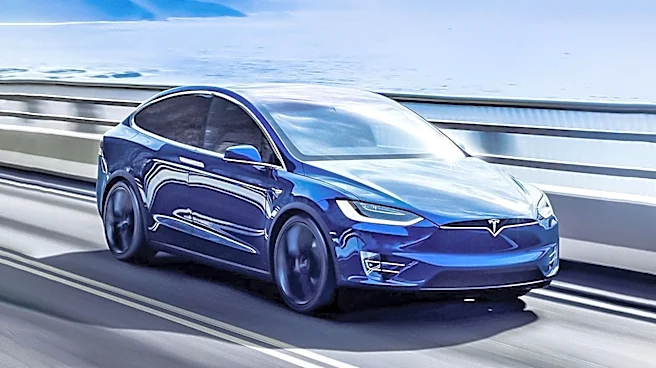
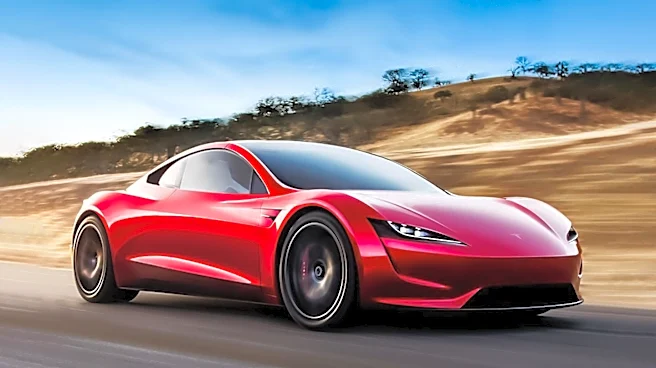
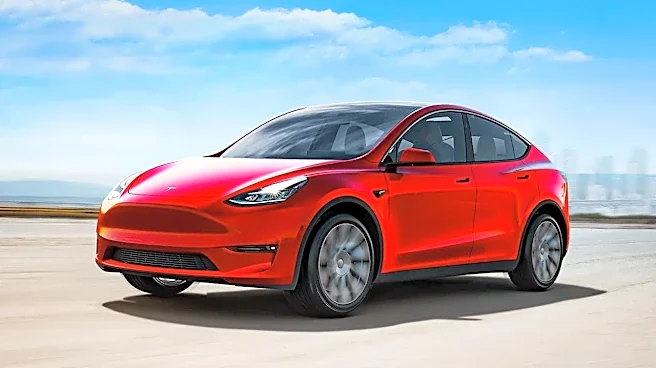
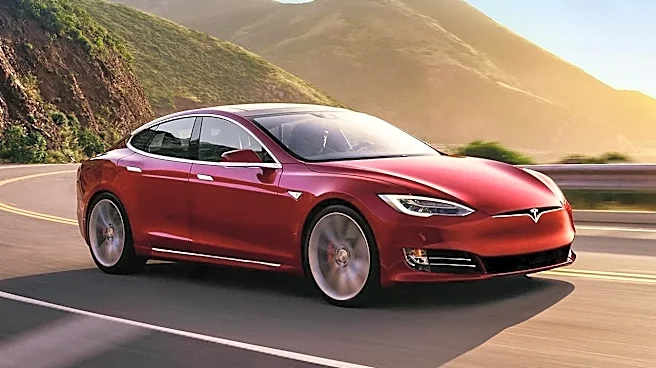
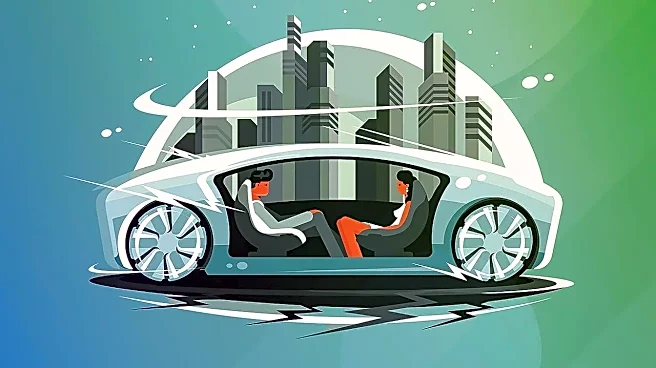
Tesla's earnings report tells a completely different story. The automotive business, while growing, is facing margin pressure from price cuts and competition. The company’s operating margin fell to a mere 1.4% as it poured money into its future ambitions. And what an expensive future it is. Tesla’s capital expenditures are projected to exceed $25 billion in 2026, funneled into AI, robotics (Optimus), and, most critically, the robotaxi network. This is the “autonomy ambition” in action. Tesla's valuation isn't based on the cars it sells today, but on the promise of a future where it operates a global fleet of autonomous vehicles. Progress is being made, with nearly 2.5 million paid robotaxi miles logged, but the rollout is slower than many hoped and pales in comparison to competitors like Waymo. Tesla is asking investors to fund a vision, and its earnings show the cost of that vision is staggering, resulting in a rare negative free cash flow of over $1 billion this quarter.
Two Different Definitions of Value
Wall Street looks at these two giants through completely different lenses. Apple is a blue-chip titan. It’s valued for its stability, its massive cash pile, and its shareholder returns, including a fresh $100 billion buyback authorization. Its forward price-to-earnings (P/E) ratio sits around a healthy 34. Tesla, by contrast, trades at a stratospheric forward P/E of over 160. That number has nothing to do with current car sales profits. It is a pure bet on the future. Investors who buy Tesla stock today aren’t buying a car company; they are funding a high-risk R&D project that could either redefine transportation and AI or burn through billions with little to show for it. The stock's recent 17% year-to-date decline reflects growing impatience as the company's spending soars and profits shrink.