
A More Conventional Beginning
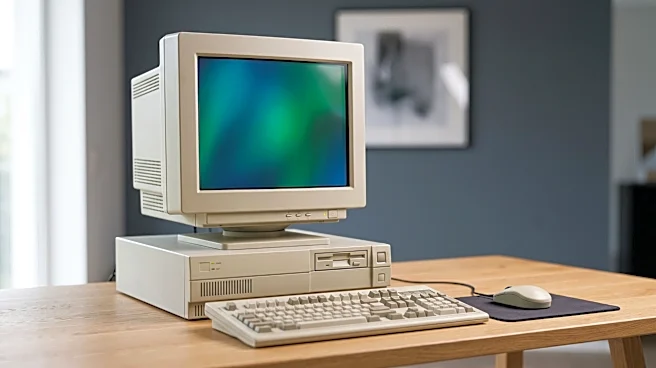
Before it was Windows 95, it was simply 'Chicago'. Development began around 1992 with a more traditional goal: create a successor to Windows 3.1 that merged the underlying MS-DOS with the graphical interface.
This was a huge technical leap, introducing a 32-bit architecture, preemptive multitasking, and the 'Plug and Play' feature that promised to end the nightmare of manually configuring new hardware. Internally, the product itself was the star. The initial strategy didn't involve a billion-dollar marketing blitz; the plan was more in line with typical software releases of the era—focused on technical merits and aimed at existing PC users. The early vision was for a powerful, but not necessarily flashy, upgrade to keep Microsoft ahead of competitors like IBM's OS/2. There was no talk of lighting up the Empire State Building or hiring the world's biggest rock band; the focus was on shipping a stable, next-generation operating system.
The '$3 Million Start Me Up' Gamble
The single most iconic element of the launch was the use of The Rolling Stones' hit 'Start Me Up'. This was a direct, brilliant nod to the operating system's new core feature: the Start button. But it was a massive gamble. Microsoft reportedly paid around $3 million for the rights, a figure that was rumored to be as high as $12 million. For the first time, a rock anthem was being used to sell software, reframing an operating system as an exciting consumer product, not just a business tool. This decision was a radical departure from the industry norm. It signaled a deliberate choice to aim beyond the tech press and speak directly to mainstream America. Without that song, the entire tone of the campaign would have been different—more corporate, less cultural. It was a high-stakes bet that computers could be cool, and it paid off, embedding the 'Start' concept into the public consciousness.
An Event Without a Ringmaster
Imagine the launch without a master of ceremonies. The Redmond campus event was built around a celebrity host: Jay Leno, then at the height of his 'Tonight Show' fame. His presence was meant to make the technology feel accessible and fun, with Leno playing the role of the curious everyman alongside a nerdy Bill Gates. This format, pairing a tech CEO with a mainstream entertainer, was unprecedented for a software launch. The alternative would have been a standard, dry press conference. Instead, Microsoft created a 'cyber sitcom' featuring 'Friends' stars Jennifer Aniston and Matthew Perry and staged a carnival-like event on its campus, broadcast to 43 cities. These moves were deliberate choices to generate buzz outside of tech circles, creating a story that morning news and talk shows could cover. Without Leno and the celebrity angle, the launch would have been an industry event, not a national one.
The Dawn of Spectacle Marketing
Ultimately, the Windows 95 launch looked different because Microsoft chose to sell an idea, not just a product. Before August 1995, software was sold on features. Microsoft's estimated $300 million campaign sold a lifestyle. The company bought out the entire print run of The Times in London, draped a massive banner over Toronto's CN Tower, and lit up the Empire State Building in Windows colors. People with no computer at home lined up at midnight to buy an operating system. This level of spectacle was unheard of for a piece of code. Had Microsoft stuck to a more conventional, feature-focused rollout, Windows 95 would have still been a successful product. But by opting for a blockbuster marketing campaign, it became a cultural touchstone that turned a software company into a household brand like Ford or Coca-Cola and set the blueprint for every major tech launch that followed.