









More Than Just Numbers on a Box
When shopping for tech, we’re trained to compare specs: wattage, data transfer speeds, and battery capacity. But for the iPhone 15, this numbers game can be misleading. Take the much-discussed switch to USB-C. On paper, the standard iPhone 15's port supports
USB 2.0 speeds of 480 Mbps, while the iPhone 15 Pro models boast USB 3 speeds up to a much faster 10 Gbps. While that difference is huge for a professional videographer transferring large files, for the average person charging their phone or connecting to their car, the real-world difference in daily use is often negligible. The spec sheet creates a performance gap that many users will never actually experience, proving that the highest number doesn't always equate to the best practical experience.
The Software Secret Sauce: iOS
The true magic behind the iPhone's accessory performance isn't just in the hardware, but in the software that controls it. iOS is the unseen conductor of the orchestra, meticulously managing how accessories interact with the phone. For example, features like Optimized Battery Charging don't just blindly pump power into the device; they learn your charging habits to reduce battery aging. This intelligent power management means an MFi-certified charger works in harmony with the iPhone's software to deliver a safe and efficient charge, something a non-certified charger can't guarantee. This software integration ensures that performance is tailored for reliability and user experience, not just hitting a peak number for a few seconds.
The Power of the 'Walled Garden'
Apple's 'Made for iPhone' (MFi) certification program is a critical, and often misunderstood, piece of the puzzle. Far from being just a licensing fee, MFi is a stringent quality control system. For an accessory to earn that seal, its manufacturer must adhere to Apple's strict performance, safety, and compatibility standards. This means an MFi-certified product contains Apple-approved components, like specific chips inside Lightning or USB-C connectors, that ensure it communicates flawlessly with iOS. This prevents issues like slow charging, data transfer errors, and even potential damage to your device from poorly regulated power delivery. When you buy an MFi-certified accessory, you're not just buying a piece of hardware; you're buying into a guaranteed level of performance and safety curated by Apple itself.
MagSafe and USB-C in the Real World
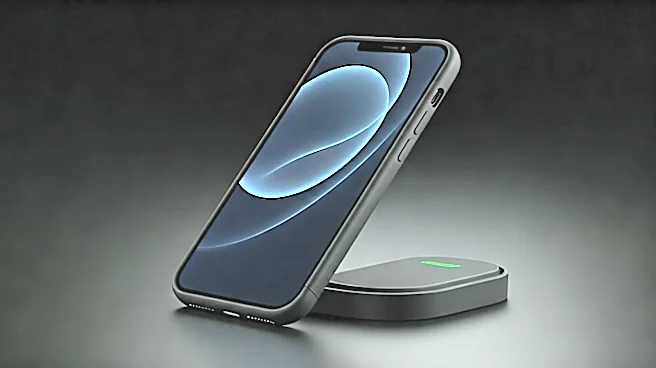
MagSafe is a perfect example of experience over specs. A MagSafe charger's 15W maximum wireless charging speed is slower than a 20W wired connection via USB-C. However, its true value is in its perfect magnetic alignment, which guarantees maximum efficiency. Standard Qi wireless chargers, while also rated for a certain wattage, can be much slower in practice due to imperfect alignment, which wastes energy as heat. MagSafe eliminates that variable. Similarly, with the iPhone 15's USB-C port, you can now power other devices like your AirPods or Apple Watch at up to 4.5 watts. While that number seems small, the convenience of topping off another device using just your phone is an experience that a spec sheet simply can't capture. The integration is the feature, not just the speed.