








From Hardware Battle to Intelligence Race
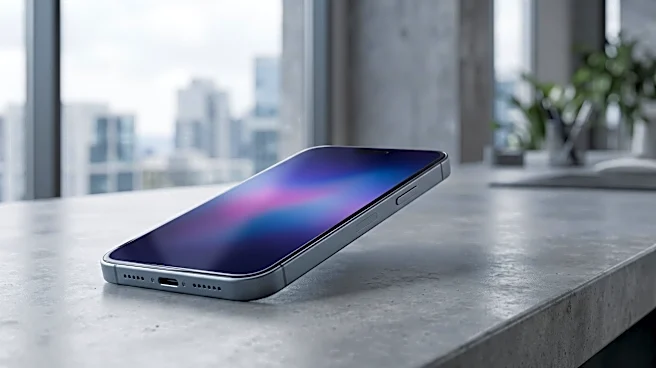
For over a decade, the smartphone wars were fought over tangible specs: megapixels, gigahertz, and screen resolution. But those metrics have reached a point of diminishing returns. The Pixel 11's release crystalizes a new truth: the frontier is no longer
raw power, but applied intelligence. Google is making a deliberate choice to reposition its flagship phone as, first and foremost, a showcase for its Gemini AI. This makes the device less of a gadget and more of a strategy document you can hold in your hand. Every new feature, from how the camera works to how you interact with notifications, is now a clue to Google's broader vision for ambient computing. The question is no longer just 'what can this phone do?', but 'how does this phone think?'.
Gemini Is the New Operating System
To understand the Pixel 11, you have to understand that Google is treating Gemini as more than just an app or a feature. It's becoming the connective tissue of the entire Android experience, and the Pixel is its native environment. We're seeing this with features that are deeply integrated, like the new "Call for Me" function, where Gemini can make calls to businesses on your behalf to book appointments or check stock. This isn't a simple chatbot; it's an agentic AI designed to handle multi-step tasks across different apps. Features like Rambler, which polishes your messy, spoken-word thoughts into clean text, show how the AI is being woven into the most basic functions of the phone. The goal is to make the AI so seamless that it anticipates your needs, turning the phone into a proactive assistant rather than a reactive tool you command.
Reading the Roadmap’s Milestones
So, if the Pixel 11 is a roadmap, what are the key milestones to look for? First, the emphasis on on-device processing. Google is leveraging Gemini Nano, the smallest version of its AI model, to run more tasks directly on the phone without needing a cloud connection. This is crucial for speed, privacy, and enabling features that work offline. Second, look at how the camera is evolving. Magic Capture, which intelligently analyzes hundreds of frames to find the perfect shot for you, isn't about user control; it's about the phone understanding intent and delivering a result. Third, watch for the expansion of "agentic" capabilities. The initial rollout of "Call for Me" is just the beginning. The ultimate direction is a device that can take a simple prompt like "plan my weekend trip to San Diego" and execute the dozens of micro-tasks required to make it happen.
A New Kind of Competition
This AI-first strategy is also Google's most distinct answer to Apple yet. For years, Google has played on Apple's turf, matching hardware quality and ecosystem features. With the Pixel 11 and its deep Gemini integration, Google is changing the game. Instead of competing on the slickness of the hardware or the walled garden of the ecosystem, Google is betting that users will choose the device with the most helpful, powerful, and personal intelligence. It frames the iPhone as a beautifully crafted but fundamentally passive tool, while the Pixel becomes a dynamic partner. Features like HiLight, a subtle notification light on the back of the phone for when it's face down, are small but telling indicators of this new design philosophy—one focused on reducing digital labor, not just refining the user interface.