





A 'Pro' Phone with a Catch
The most immediate flashpoint for enthusiasts is the value proposition of the Pixel 11 Pro models. After years of positioning itself as a premium-but-sensible alternative, Google raised prices while also making a controversial hardware choice. The Pro and
Pro XL models launched with a price hike, placing them in direct competition with top-tier phones from Apple and Samsung. Yet, a significant portion of the enthusiast community is pointing to a perceived downgrade: the base Pro models now ship with 12GB of RAM, down from 16GB in the previous generation. This combination of a higher price for seemingly less core hardware has been called a "slap in the face" by some commentators and has dominated online polls, with a majority of dedicated users feeling the new lineup missed the mark. It signals a strategic pivot from a device for spec-focused purists to one aimed at a mainstream audience more interested in brand and features than raw numbers.
The AI-First Experience Takes Over
The headline's comparison to a "new OS release" stems directly from Google's deeper integration of its AI, Gemini. This isn't just about adding a few clever features; it's a fundamental rethinking of the user experience. Features like Magic Capture, which analyzes hundreds of frames to find the perfect shot, aim to make the user's timing irrelevant. Another new feature, a glowing rear LED called HiLight, provides subtle notifications when the phone is face down, part of a push to make the device more proactive and less demanding of your attention. This shift is significant. Google is betting that users will care more about an intelligent, predictive interface that does the work for them than they will about manual controls or raw processing power. For longtime Android fans who value customization and control, this more automated, almost paternalistic approach to the user interface feels like a philosophical departure from the Android they grew up with.
Tensor G6 and the Performance Debate
Under the hood, the entire Pixel 11 lineup is powered by the new Tensor G6 chip. While Google continues to invest in its custom silicon, the G6 is being seen as an iterative upgrade rather than a revolutionary leap. Early analysis suggests it keeps pace for daily tasks but still falls short in raw gaming performance compared to the top-tier chips from competitors. This matters because the Tensor project was Google's declaration of independence, a promise to create hardware and software in perfect harmony, much like Apple. For enthusiasts, the expectation was that each generation would close the performance gap. The G6's perceived modest gains, coupled with the price increase, feeds the narrative that Google is prioritizing its AI-specific processing capabilities over the all-around horsepower that many power users crave. The debate, therefore, is about what a flagship chip should even be: a benchmark-crushing beast or a highly specialized AI engine.
A Refined, But Familiar, Design
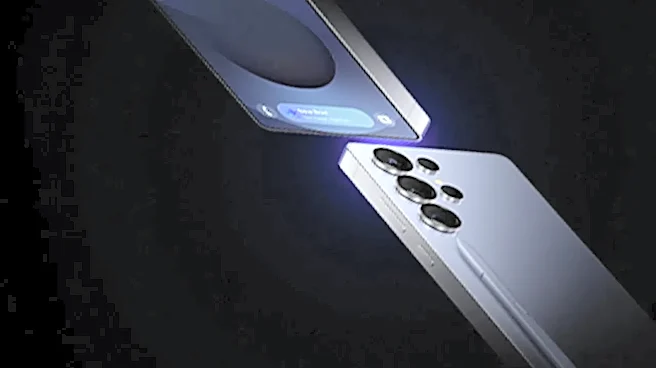
Visually, the Pixel 11 series is a refinement, not a revolution. The phones feature a thinner, edge-to-edge glass camera bar, making for a sleeker look than the chunky visor on the Pixel 10. Google also introduced a new foldable, the Pixel 11 Pro Fold, continuing its expansion into new form factors. However, the core design language of the standard phones remains largely unchanged. While consistency is a hallmark of a mature product line, some critics and fans were hoping for a more dramatic overhaul, especially given the rising prices. The conversation among enthusiasts revolves around whether Google's design has become iconic and confident or simply stagnant. It's another area where the company's move toward a stable, mainstream identity conflicts with the enthusiast desire for boundary-pushing hardware and visible innovation year after year.