








A Company on the Brink
By late 2017, the ghost of failure was haunting Snap Inc. After a much-hyped IPO, the company was struggling. User growth had slowed to a crawl, and Wall Street was losing faith. The primary culprit was Instagram, which had shamelessly copied Snapchat's
signature "Stories" feature and was using its massive scale to suffocate its smaller rival. Within Snap, the pressure was immense. The app, once lauded for its quirky, intimate feel, was now being called confusing and hard to use by potential new users, a sentiment CEO Evan Spiegel acknowledged. The company was bleeding value and relevance, and the clock was ticking. Something drastic had to be done.
Spiegel's Unpopular Answer
Evan Spiegel's solution was both simple in concept and radical in execution: a complete redesign of the app. His core philosophy was to create a stark separation between "social" and "media." Swiping left from the camera would be exclusively for interacting with real friends—chats and their Stories. Swiping right would be for content from publishers, celebrities, and creators. Spiegel argued this would clarify the app's purpose and solve the "problem of confusing the professional with the personal." He believed that blurring the lines between friends and content creators was a fundamental flaw of social media, and he was willing to bet the company on this conviction. It was a move aimed at long-term health, even if it meant near-term chaos.
The Uprising Begins
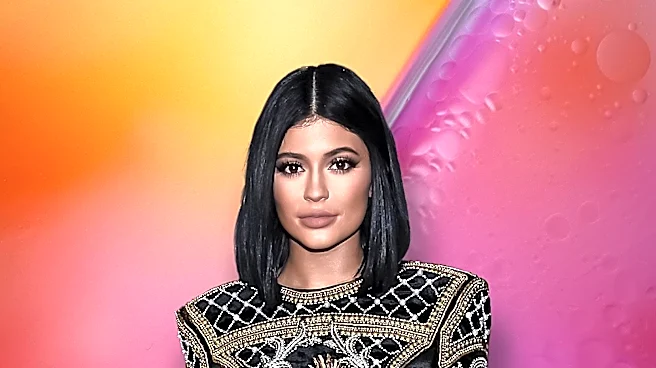
The pivot was not just a bet; it was a bomb. When the redesign rolled out in early 2018, the backlash was immediate and ferocious. Users hated it. They found it confusing and complained that it ruined the experience of feeling connected to creators. A Change.org petition demanding Snap reverse the update garnered over 1.2 million signatures. The fury culminated in a single, devastating tweet from celebrity Kylie Jenner, who asked, "sooo does anyone else not open Snapchat anymore?" The tweet was cited as a direct cause for Snap's stock plunging, wiping out over a billion dollars in market value in a day. User sentiment among the core 18-to-34-year-old demographic plummeted by 73%, erasing two years of brand goodwill. The company had alienated its most loyal fans.
A Battle Inside and Out
The public reaction was brutal, but the internal pressure was just as intense. Investors, according to Spiegel, simply could not comprehend why he would risk everything on such a drastic change. The headline from the time was that Snap was refusing to bend, with Spiegel publicly stating that the complaints validated the company's philosophy. But behind the scenes, the disastrous first quarter results following the redesign told a different story. User growth stalled, and Spiegel admitted the change had created "apprehension among our advertising partners." The company was forced to walk back some of the more jarring changes, testing new layouts that brought friends' Stories back to the right-hand Discover page, albeit in a separate module. It was a compromise, a quiet admission that the initial pivot, in its purest form, was too much for the market to bear.
Vindication in the Long Run
For months, the redesign looked like a catastrophic, self-inflicted wound. But Spiegel's bet was never about the next quarter; it was about the next five years. Years later, he expressed no regret, stating the redesign ultimately paid off. By separating social from media, Snap created a cleaner, more valuable ecosystem for professional content. This allowed the company to build a robust advertising business around its Discover section. Time spent watching premium content grew significantly, and the company was able to attract and monetize a different kind of audience for its original shows and publisher partnerships. The painful separation allowed both sides of the app—the friend side and the media side—to grow on their own terms, providing the stability Snap desperately needed to survive and eventually thrive.