





The Insatiable Appetite of Generative AI
Not all AI is created equal. The recent explosion in demand is primarily driven by one category: generative AI. This includes the large language models (LLMs) that power chatbots like ChatGPT and the diffusion models that create stunningly realistic images.
Training these models is a monumental task. Think of it less like teaching a student and more like force-feeding a supercomputer the entire internet. The cost to train a frontier model like GPT-4 or Gemini Ultra can run from an estimated $78 million to over $190 million. This process requires sifting through trillions of data points to learn the patterns of human language, logic, and creativity. The sheer scale is breathtaking, and it requires a very specific, very powerful, and very expensive type of processing power.
What 'Compute Pressure' Really Means
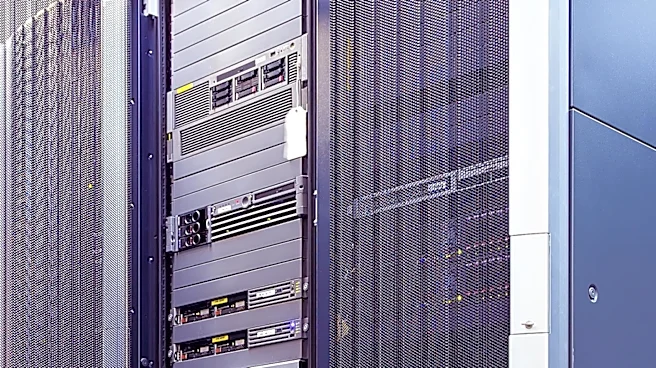
When we talk about "compute pressure," we're not just talking about computers being slow. It's a multi-faceted crisis involving hardware, real estate, and energy. The workhorses of the AI revolution are not the standard processors (CPUs) in your laptop, but Graphics Processing Units (GPUs). Originally designed for video games, their ability to perform many calculations at once makes them perfect for AI. This has created a massive bottleneck. The demand for high-end GPUs, predominantly made by NVIDIA, has far outstripped supply, creating shortages and driving up costs. But the pressure extends beyond the chips themselves. These power-hungry GPUs are housed in massive, climate-controlled buildings called data centers. A single AI computing rack can consume 30 to 100 kilowatts of power, compared to a traditional server rack that uses 7 to 10 kW. This intensifies the need not just for more data centers, but for more energy to power and cool them.
The GPU Bottleneck and Supply Chain Crunch
At the heart of the compute pressure is a simple market reality: one company, NVIDIA, holds an estimated 80-90% of the market for AI chips. This dominance is built on its powerful GPUs and its CUDA software platform, which has become the industry standard for AI development. This reliance on a single primary vendor, combined with a complex global supply chain, creates extreme vulnerability. Manufacturing a single advanced chip involves crossing international borders over 70 times and relies on a handful of specialized fabricators like TSMC for production and advanced packaging. Shortages of key components, like the high-bandwidth memory (HBM) needed for top-tier GPUs, have created significant production delays. As a result, even the world's biggest tech companies are in a frantic race to secure the hardware they need to stay competitive, leading to a worldwide scramble for a limited supply of essential technology.
The Soaring Costs and Environmental Toll
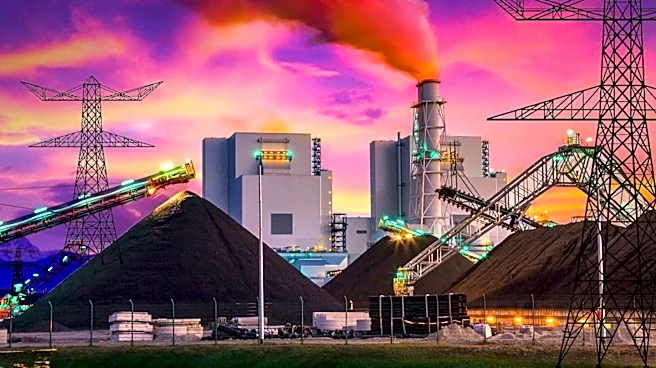
This immense pressure has two major consequences: staggering financial costs and a growing environmental impact. Tech giants are pouring billions into building out their AI infrastructure. Beyond the eye-watering training costs, the ongoing expense of running these models—a process called "inference"—adds up. A single ChatGPT query, for instance, is estimated to use nearly ten times more electricity than a simple Google search. This relentless energy demand has a direct environmental cost. The International Energy Agency projects that electricity consumption by data centers could double between 2022 and 2026, driven largely by AI. By 2026, data centers are expected to consume nearly 1,050 terawatt-hours of electricity, which would make them a larger consumer than the entire nation of Japan. Because this new demand is growing so rapidly, it often must be met with fossil fuel-based power, straining energy grids and complicating climate goals.