
A Future That Arrived Too Soon
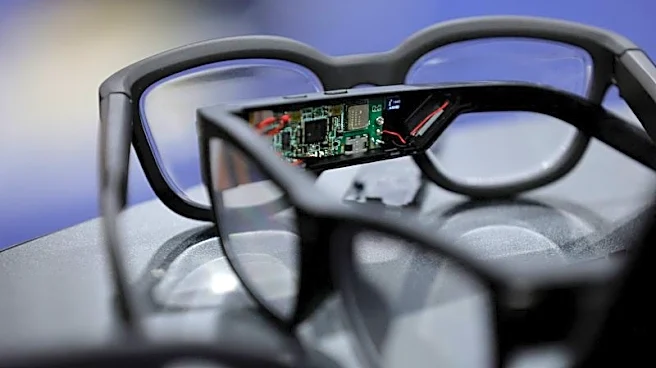
Cast your mind back to 2013. Google Glass was the epitome of futuristic tech, a wearable computer perched on your face that promised to merge your digital and physical worlds. It could take pictures, give
directions, and show notifications in a tiny prism above your right eye. The hype was immense, with early adopters paying $1,500 for the 'Explorer Edition.' Yet, within two years, the consumer version was dead. The product was plagued by issues: a high price tag, limited battery life, and, most critically, no clear purpose for the average person. It was a solution in search of a problem, a collection of features that failed to address a compelling daily need for mass-market consumers. But its technical shortcomings paled in comparison to the social firestorm it ignited.
The 'Glasshole' Problem Was More Than a Meme
The term “Glasshole” quickly entered the lexicon to describe users perceived as rude, creepy, or socially unaware. The problem wasn't just that the device looked nerdy or obtrusive; it was that it broke an unspoken social contract. The forward-facing camera, whose recording status was unclear to bystanders, created a pervasive sense of unease. People felt they could be recorded at any moment without their consent, leading to confrontations and outright bans in bars, restaurants, and movie theaters. Google even released an official guide on how not to be a 'Glasshole,' advising users to ask for permission before recording and to avoid being creepy—a tacit admission that the product's design encouraged socially abrasive behavior. The core failure was one of social design. The device made the wearer look detached and signaled to everyone else that they were subjects in a tech experiment, not participants in a normal social interaction.
Subtlety Is the New Superpower
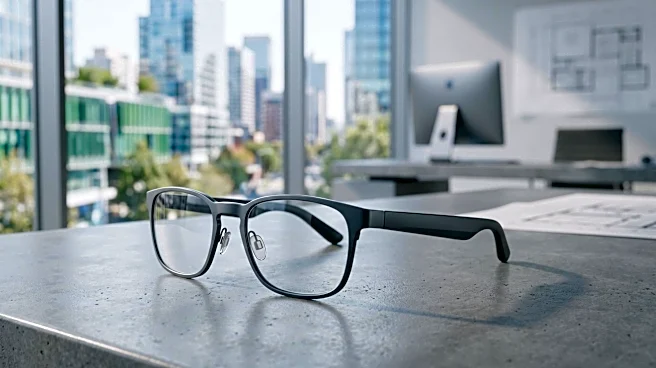
Today’s AI glasses, most notably the Ray-Ban Meta series, show that manufacturers have learned from Google’s aesthetic and social missteps. The most crucial change is that they look like normal glasses. By partnering with established eyewear brands like Ray-Ban, Warby Parker, and Gentle Monster, tech companies have prioritized fashion and subtlety. The technology is designed to blend in, not stand out. Functionality has also shifted. While cameras are still present on many models, the primary interface is often audio-based AI, allowing users to make calls, listen to music, and interact with an assistant without a distracting heads-up display. The goal is to keep users present in the moment, a direct response to the 'Glasshole' critique of being disengaged. Meta has sold millions of pairs, proving that a less obtrusive form factor can find a market where Google’s could not.
Privacy in Plain Sight
While the form factor has been solved, the fundamental lesson of Google Glass remains only partially learned. The core tension of a face-mounted camera persists. Today’s AI glasses feature small LED lights to indicate when they are recording, but these are subtle and their meaning isn't universally understood. Concerns about covert recording and the potential for misuse, such as pairing the glasses with facial recognition software to identify strangers, are growing. In fact, recent reports suggest Meta is considering camera-free versions of its smart glasses, a move that would fully absorb the original lesson: the biggest barrier to adoption isn't the technology, but the social anxiety created by a camera you can't see. Even without a camera, the proliferation of always-on microphones for AI assistants introduces a new layer of privacy questions around voice data. The central problem of consent and social comfort hasn't disappeared; it's just become more discreet.