




The Two-Headed Giant
To understand the crisis, you have to understand the unusual structure Oracle put in place in 2014. That year, founder Larry Ellison stepped down as CEO, assuming the titles of Executive Chairman and Chief Technology Officer. In his place, he appointed
two CEOs: Safra Catz and Mark Hurd. It was a classic division of labor. Catz, a long-time Oracle executive with a background in finance, oversaw legal, manufacturing, and financial operations. Hurd, the former CEO of Hewlett-Packard whom Ellison famously hired after his controversial ouster, was the operational and sales mastermind. He was the face of the company to many customers and Wall Street, credited with driving Oracle’s massive sales force and orchestrating its strategic direction. Together, they were meant to guide Oracle’s difficult but necessary transition from a legacy software licensing business to a modern cloud services competitor.
The Shockwave of 2019
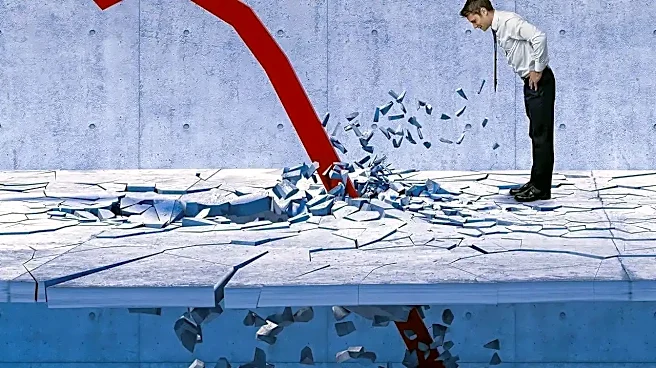
The stability of that two-headed leadership model was shattered in the fall of 2019. In September, Hurd announced he was taking a medical leave of absence for unspecified health reasons. Just over a month later, on October 18, 2019, Oracle announced that Hurd had died at the age of 62. The news sent a shockwave through the company and the tech industry. Ellison called him a "close and irreplaceable friend" and a "brilliant and beloved leader." Beyond the personal loss, Hurd's death created a massive strategic problem. He was seen as the key driver of Oracle’s sales culture and a crucial architect of its cloud ambitions. Without him, there were immediate and serious questions about whether Oracle could maintain its momentum and effectively compete against cloud behemoths like Amazon Web Services and Microsoft.
Stability Over Spectacle
In the face of a potential power vacuum, Oracle made a move that was as decisive as it was simple: it did very little. Instead of launching a high-profile external search for a replacement or immediately elevating another executive, the company consolidated leadership. Safra Catz was named sole CEO, while Ellison retained his roles as Chairman and CTO, taking over Hurd's responsibilities in the interim. This move prevented the internal jockeying and uncertainty that often follows the loss of a key leader. The message was clear: Oracle’s strategy was not dependent on a single personality. The company would rely on the deep bench of talent and the steady hands of its two remaining titans, Catz and Ellison, to steer the ship. It was a bet on continuity and institutional strength over a dramatic, headline-grabbing hire.
The Cloud Gambit Pays Off
Under Catz's sole leadership and with Ellison driving the technology vision, Oracle didn't just stabilize—it accelerated its transformation. The company doubled down on its biggest bet: Oracle Cloud Infrastructure (OCI). The goal was to build a powerful, secure, and cost-effective cloud to handle the most demanding enterprise workloads, particularly those related to databases and, increasingly, artificial intelligence. The years following the crisis have seen this strategy bear significant fruit. By mid-2026, Oracle was reporting staggering growth in its cloud business. For its fourth quarter of fiscal 2026, cloud infrastructure revenue surged an incredible 93%. The company has signed massive, multi-billion dollar contracts for AI training, with its backlog of future business (Remaining Performance Obligations) ballooning to over $638 billion. This AI-fueled demand has positioned Oracle as a formidable player in the cloud wars, proving that the company's core strategy was sound enough to withstand a devastating leadership crisis.