







The Soaring Cost of AI Ambition
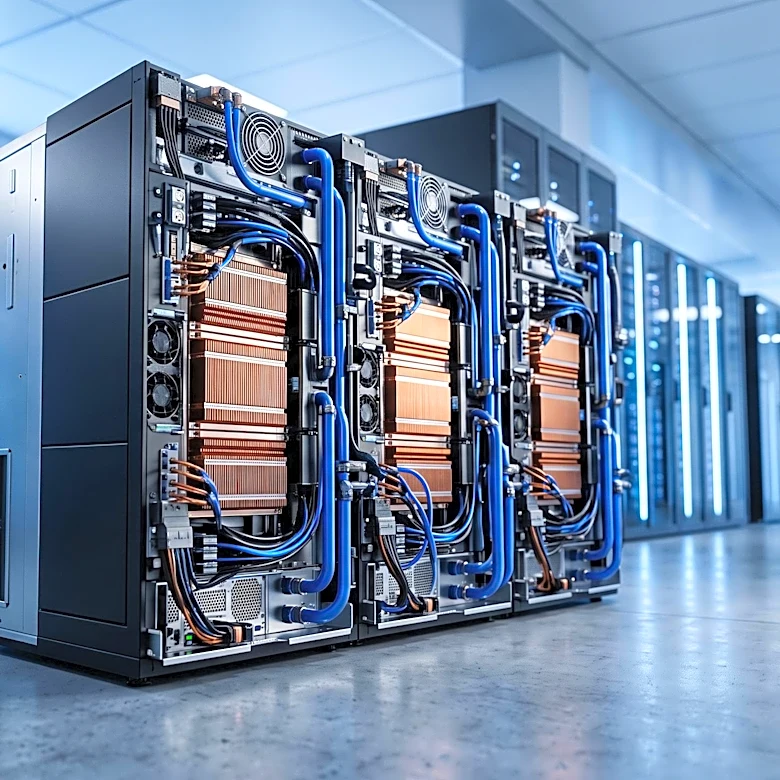
The engine of modern AI is the GPU, or graphics processing unit, a market overwhelmingly dominated by Nvidia. Powering experiences for billions of users across Facebook, Instagram, and WhatsApp requires a staggering amount of computing power. Every time
a feed is ranked, a Reel is recommended, or an ad is targeted, AI models are running at a massive scale. Buying the necessary high-end chips from vendors like Nvidia and AMD costs tens of billions of dollars. By designing its own custom silicon, like its Meta Training and Inference Accelerator (MTIA) chip family, Meta aims to create a more cost-effective solution tailored to its specific needs. This allows the company to reduce long-term operational expenses and achieve a better return on its massive infrastructure investment.
Performance Tailored to the Task
Off-the-shelf GPUs are powerful, but they are Swiss Army knives—designed for a broad range of tasks. Meta's AI workloads, however, are highly specific. The company's recommendation algorithms and generative AI models like Llama have unique computational profiles. By creating custom chips, or Application-Specific Integrated Circuits (ASICs), Meta can optimize hardware directly for the software it will run. This 'end-to-end' control, from the physical chip to the user-facing application, allows for greater efficiency and performance. The MTIA chips, for example, are designed to excel at 'inference' workloads—the real-time processing needed for recommendations and AI assistant responses—which make up the bulk of Meta's daily AI activity. This specialization means less wasted energy and faster response times for users.
Breaking Free from Supplier Dependency
Relying on a handful of external suppliers for critical components creates significant business risk. The global demand for high-end AI chips has created fierce competition and the potential for supply chain bottlenecks. By developing its own silicon, Meta reduces its dependency on any single partner, gaining what is often called 'supply chain security'. While Meta still maintains massive, multi-year deals with both Nvidia and AMD to secure millions of their chips, it is also aggressively pursuing a dual-vendor approach. Its in_house chip program, developed in partnership with Broadcom, is a crucial part of this strategy. It gives Meta more leverage in negotiations and ensures that its ambitious AI roadmap won't be derailed by another company's production schedule.
Building a Long_Term Competitive Moat
Ultimately, controlling the hardware stack is about building a sustainable competitive advantage. In the tech world, the company that can innovate the fastest often wins. Owning the entire stack, from silicon to software, allows for a much tighter and faster iteration cycle. Meta can design hardware that perfectly complements its next generation of AI models, rather than waiting for the market to produce what it needs. As it builds out its vision for AI assistants and augmented reality, having a bespoke hardware foundation will be critical. This move is not just about saving money or improving efficiency in the short term; it's a fundamental strategic decision to control its own destiny and create a technological moat that rivals will find difficult to cross.