







An Eye on Everything, Not Just Intruders
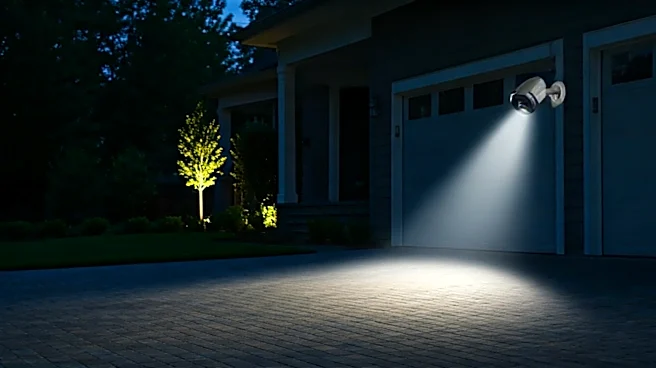
The main appeal of a floodlight camera is obvious: it’s a powerful deterrent. Motion triggers a bright light and starts recording, capturing clear video of anyone on your property. For many homeowners, this peace of mind is invaluable. The problem is that
the camera doesn't distinguish between a burglar and the neighbor's kid retrieving a stray ball. It records indiscriminately, logging motion events, timestamps, and linking them to your specific home and account. These devices collect far more information than you might think, quietly generating a detailed log of the comings and goings around your house. While you bought it to watch for threats, it ends up watching everything else, too.
Is Your Data Stored Safely in the Cloud?
Most popular smart cameras, including those from major brands like Ring and Google, rely on cloud storage. This is convenient, allowing you to access footage from anywhere. However, it also means your private videos are stored on a third-party company's servers. This introduces risks. Hackers can and do target these cloud services, and a breach could expose sensitive footage from inside or around your home. While companies use encryption, not all encryption is created equal. Many systems don't use end-to-end encryption by default, which means the company itself can access your videos. This becomes particularly important when law enforcement comes asking for footage. While companies have recently made it harder for police to make mass requests for video, they often still comply with warrants, subpoenas, and may even share footage without your consent in what they deem an emergency.
Your Camera, Your Neighbor's Privacy Problem
Your camera’s field of view often extends beyond your property line. It might capture the sidewalk, the street, or a portion of your neighbor’s yard. This creates a thorny privacy issue. While you may have installed it for your security, your neighbor never consented to being recorded every time they leave their house or have guests over. The proliferation of these cameras has turned many neighborhoods into places of constant, privately-run surveillance. Legally, you are generally not permitted to record in places where people have a reasonable expectation of privacy, and pointing a camera directly into a neighbor’s window could land you in legal trouble. It’s a delicate balance between securing your property and respecting the privacy of the community around you.
The Overlooked Issue of Audio Recording
Many floodlight cameras come equipped with microphones for two-way talk or to record sound with video. This feature is legally much more complicated than video. Federal and state wiretapping laws govern the recording of conversations. In most states, it is illegal to record a private conversation without the consent of at least one party involved. However, about a dozen states require all parties to consent to being recorded. If your camera picks up a conversation between two neighbors walking down the street, and you're in a two-party consent state, you could be breaking the law. Given that these microphones can be sensitive, it’s easy to inadvertently capture audio from people who are not on your property and have no idea they are being recorded.
How to Use Your Camera More Responsibly
This doesn't mean you have to abandon smart security. It just means you should be a more informed owner. Start by securing your account with a strong, unique password and enabling two-factor authentication. When installing your camera, be mindful of its placement. Angle it to cover your property while minimizing what it captures of your neighbors' homes and public spaces. Understand your device’s settings; you can often create privacy zones to block certain areas from being recorded. Consider disabling audio recording by default to avoid legal gray areas. Finally, if you're deeply concerned about data access, look for camera systems that offer local storage options (like a DVR or SD card), which gives you full control over who sees your footage.