




The End of the 'Big Bang' Release
Before Windows 10, operating systems were treated like Hollywood blockbusters. They were developed in secret for years and then released in a massive, high-stakes launch. Windows XP, Windows 7, and the divisive Windows 8 all followed this model. But the tech
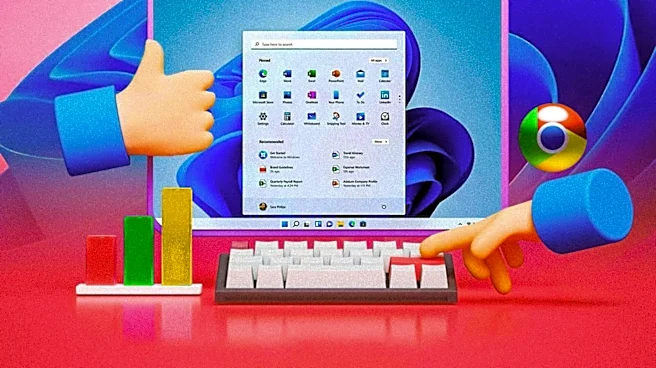
world was accelerating, and this multi-year cycle was becoming a liability. The solution was a fundamental strategic shift: "Windows as a Service" (WaaS). Instead of monolithic new versions, Windows 10 was designed to be the 'last version of Windows,' evolving through smaller, continuous updates. This move wasn't just a new delivery method; it was a complete re-architecting of the engineering pipeline. It forced Microsoft to abandon its old, rigid development cycles in favor of a more agile, iterative process that could deliver new features and security patches quickly and frequently. This model, which once seemed revolutionary, is now the default for everything from smartphone apps to enterprise cloud platforms.
Turning Customers into Co-Developers
The other masterstroke of the Windows 10 era was the Windows Insider Program. For the first time, Microsoft invited its most enthusiastic (and technically brave) customers directly into the development process. Instead of relying on a handful of internal testers and carefully selected beta partners, Microsoft began releasing early, often buggy, pre-release builds to millions of Insiders. This created a massive, real-time feedback loop. Engineers could see how new code behaved on an enormous variety of hardware configurations and get immediate feedback on new features. This was a cultural earthquake for a company accustomed to secrecy. It required a new level of transparency and humility, as engineers had to confront public bug reports daily. The program transformed testing from a final quality gate into a continuous, collaborative dialogue. Today, public beta channels and early access programs are standard practice, from video games to productivity software, a direct legacy of the Insider Program's success.
The Quest for a Unified 'OneCore'
One of the most ambitious and challenging goals of the Windows 10 project was an internal engineering effort known as 'OneCore.' The vision was to create a single, unified Windows core that would run across every device, from PCs and tablets to phones, the Xbox console, and even the HoloLens augmented reality headset. While the dream of a single app running everywhere via the Universal Windows Platform (UWP) never fully materialized and Windows Phone ultimately failed, the engineering discipline required to pursue OneCore was transformative. It forced teams to break down silos and collaborate on a scale they never had before. The struggle to build and maintain a shared codebase that could adapt to different form factors taught invaluable lessons in modular design, API management, and cross-platform development. These lessons are now being applied in a world where building for a diverse ecosystem of devices is the norm, not the exception.
Engineering Culture Itself Became the Product
Ultimately, the most enduring legacy of the Windows 10 era isn't a specific feature, but the cultural change it forced upon Microsoft's engineering organization. The combination of WaaS, the Insider Program, and the OneCore ambition necessitated a move toward what's now known as DevOps—a culture where development and operations are deeply intertwined. Decisions became more data-driven, relying on telemetry from Insider builds to validate changes. The process of 'flighting'—releasing new features to small, controlled groups before a wider rollout—became a core competency. This shift demonstrated that at a massive scale, the process of building and shipping software is as important as the software itself. It taught an entire generation of engineers that continuous deployment, direct user feedback, and iterative improvement were not just buzzwords, but essential principles for survival in the modern tech landscape.