



1. Enable Multi-Factor Authentication (MFA)
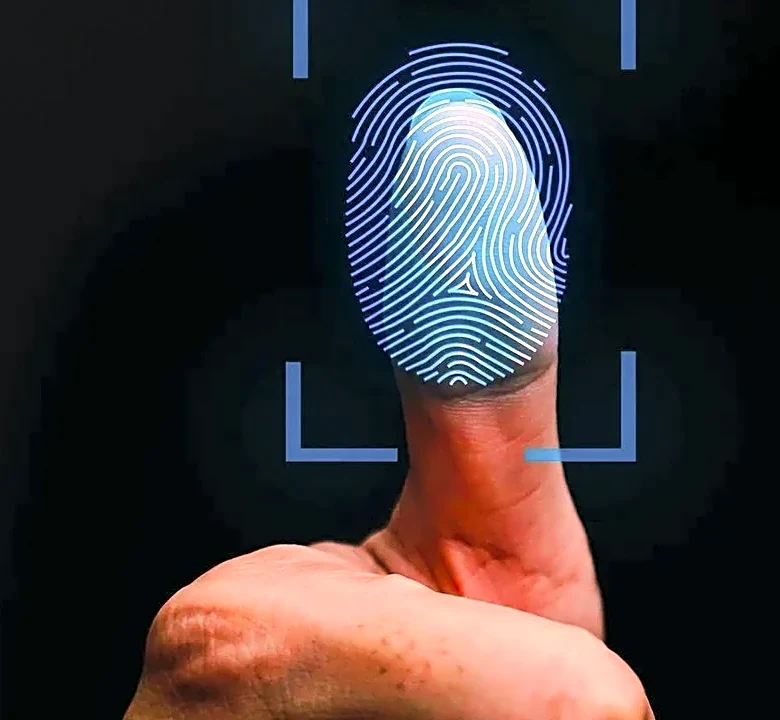
If you do only one thing, make it this. Multi-factor authentication is the single most effective control for preventing unauthorized account access. Cybercriminals often start with stolen or weak passwords, but MFA stops them cold. It requires a second
form of verification—like a code from your phone or a fingerprint—proving it’s really you. This one step neutralizes the most common attack vector used in major breaches. While hackers might steal your password, they can't easily replicate the second factor. CISA and the NSA consistently list it as a top priority because it dramatically reduces risk with minimal effort. Turning on MFA for your email, banking, and social media accounts is like putting a deadbolt on your digital front door.
2. Automate Software and System Updates
Running outdated software is like leaving a window unlocked for intruders. Attackers constantly scan for known vulnerabilities in popular applications and operating systems, and they create exploits as soon as patches are released. Manually keeping up is nearly impossible. Automating your software updates ensures these security gaps are closed the moment a fix is available, shrinking the window of opportunity for an attack. The National Security Agency (NSA) lists immediate updating as a top mitigation strategy for a reason: it’s a race against time you can’t afford to lose. This applies to everything from your web browser and operating system to the apps on your phone. Set it and forget it—this simple habit is a powerful, passive defense.
3. Improve Phishing Awareness and Reporting
Technology can’t catch everything, which is why the human element remains a critical line of defense. The vast majority of cyberattacks, from ransomware to credential theft, begin with a phishing email. These messages trick people into clicking malicious links or revealing sensitive information. Training employees and individuals to recognize the signs of phishing—suspicious senders, urgent requests, and unusual links—is essential. But awareness alone isn't enough. Creating a culture where people feel comfortable reporting suspicious messages without fear is just as important. A reported phish can alert IT teams to a broader attack, protecting the entire organization before widespread damage occurs. An informed and vigilant user is one of the best security assets you can have.
4. Use a Password Manager
The old advice to create complex passwords and change them often is outdated. The real risk isn't just a weak password; it's using the same password across multiple sites. When one site is breached, criminals use those credentials to try to access your other, more important accounts. A password manager solves this problem. It generates and stores long, random, and unique passwords for every single one of your accounts. You only need to remember one strong master password. This practice is a core recommendation from the National Cybersecurity Alliance. By ensuring every account has its own unique key, you contain the damage from any single data breach and make it exponentially harder for attackers to compromise your digital life.
5. Maintain and Test Reliable Backups
In an era of rampant ransomware, having a reliable backup of your critical data is your ultimate safety net. Ransomware works by encrypting your files and demanding a payment to get them back. If you have a recent, clean copy of your data stored separately, the attacker loses all their leverage. You can simply restore your systems and refuse to pay. However, a backup plan is useless if it doesn't work. It's crucial to not only back up your data regularly but also to periodically test your ability to restore it. This ensures that when you need it most, your recovery plan actually functions as expected, allowing you to recover quickly from an incident with minimal disruption.