







The Thinking Machine by Stephen Witt
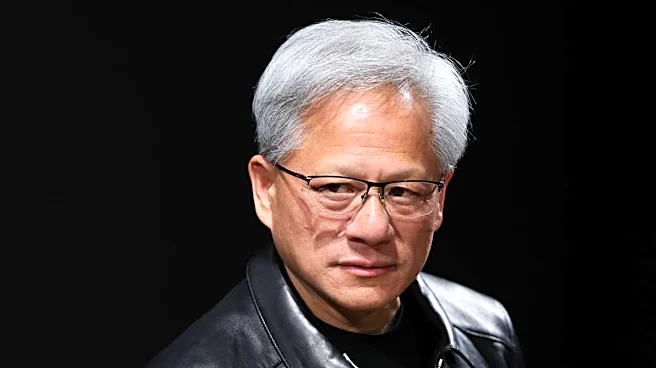
If you're looking for the closest thing to a definitive biography of Jensen Huang, this is it. Published in 2025, Stephen Witt's award-winning book is framed as a biography of the only CEO Nvidia has ever known. It's more than just a personal history;
it’s a detailed narrative of how Nvidia grew from a company focused on video game graphics into the world's most valuable corporation by betting everything on artificial intelligence. Witt was granted unprecedented access to Huang, his inner circle, and company employees, resulting in a rich portrait of a ferocious and single-minded leader. The book skillfully explains complex technology for lay readers while capturing the high-stakes decisions and relentless drive that define Huang's leadership style, showing him as an intense but deeply human leader.
The Nvidia Way by Tae Kim
While "The Thinking Machine" focuses heavily on Huang himself, Tae Kim’s "The Nvidia Way" offers a deeply reported business history of the company, which is inextricably linked to its founder's philosophy. Drawing on over one hundred interviews with Huang, co-founders, early investors, and key employees, Kim explains how Nvidia's unique culture has been the engine of its success. The book provides a myth-busting account of the company’s 1993 founding and details the early missteps—like the failed NV1 and NV2 chips—that nearly killed the startup but forged its resilient DNA. It offers a rare look into Huang's management principles and his obsession with solving the "Innovator's Dilemma," revealing how he structured the company to stay nimble and repeatedly create new markets.
Chip War by Chris Miller
This book isn't about Jensen Huang directly, but it's an absolutely essential read to understand the world he operates in. Chris Miller’s "Chip War: The Fight for the World's Most Critical Technology" provides the geopolitical and economic context for the entire semiconductor industry. It explains why the tiny, complex chips designed by companies like Nvidia have become the modern world's most vital resource, contested by superpowers like the U.S. and China. Reading "Chip War" before diving into books about Nvidia gives you a profound appreciation for the stakes of the game Huang has been playing—and winning. It frames Nvidia’s journey not just as a business success story, but as a pivotal chapter in modern global history.
Bonus: Online Profiles and Interviews
Beyond bound books, some of the most insightful portraits of Jensen Huang can be found in long-form magazine profiles and extensive video interviews. Publications like The New Yorker, The Atlantic, and Wired have published deep dives that capture his personality and vision in ways that more formal histories sometimes miss. Furthermore, watching his keynote addresses at Nvidia’s GTC conferences provides a direct look at how he communicates his strategy. He is known for his ability to break down incredibly complex technical concepts into compelling narratives about the future. Searching for his conversations at institutions like Stanford University also reveals his thinking on education, innovation, and long-term planning.