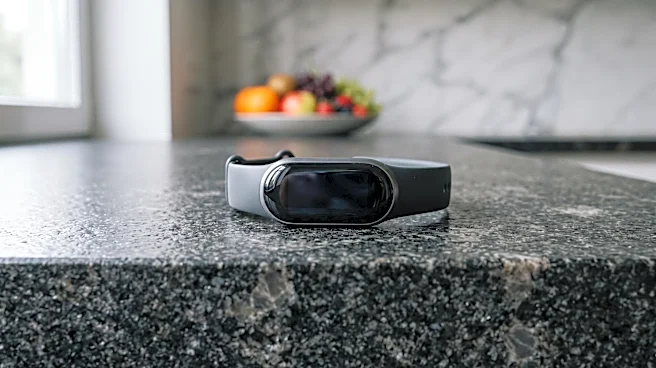





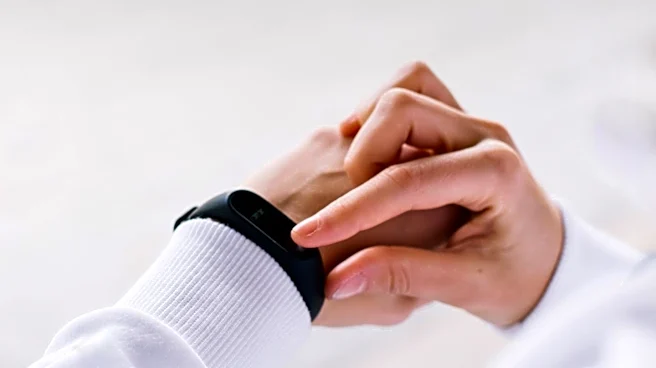
The smartwatch is no longer just a glorified notification center for your phone. It has become a specialized tool that is fundamentally changing how we interact with data, health, and personal computing.
The Three Paths of Wearable Giants
If you look at the current landscape of high-end
wearables, it is clear that there is no single way to win the smartwatch war. Instead, three major players have carved out distinct territories. Apple is leveraging its massive iPhone ecosystem to turn the Watch into an indispensable health and AI hub. They are even looking toward optical spectroscopy to predict medical risks like prediabetes. Huawei, meanwhile, is leaning heavily into clinical-grade medical tracking to dominate markets like China, recently launching continuous glucose monitoring that pairs directly with their devices. Then there is Garmin, which ignores the mass-market phone tether entirely to focus on professional-grade tools for divers, golfers, and ultra-runners. These aren't just different products; they represent different philosophies of what a computer on your wrist should actually do.
The Return of a Cult Classic
While the giants fight for market share, a different kind of movement is happening in the enthusiast corner. Eric Migicovsky, the founder of Pebble, is making waves by reviving his former brand through open-source software. A decade after selling Pebble to Fitbit, Migicovsky is returning to his roots by allowing the community to maintain and modify the operating system. This isn't about competing with Apple's billion-dollar R&D budget; it's about a community-driven approach where users keep the code alive. Interestingly, Migicovsky is doubling down on simplicity rather than chasing every new trend. He has explicitly ruled out OLED screens for future iterations, opting instead for e-ink panels to prioritize battery life and sunlight legibility—a move that prioritates utility over flashy aesthetics.
Why This Matters for Computing
Why should we care about these niche battles? Because they signal a shift in how we define 'computing.' For decades, computing meant sitting at a desk or holding a slab of glass in your hand. Now, computing is becoming ambient and biological. When Apple researches sensors for smart rings or Huawei integrates glucose monitoring into wristbands, they are moving computing from our pockets to our very skin. The smartwatch is becoming a proactive agent that monitors our vitals and predicts our needs before we even realize them. Even the niche players like Garmin or the open-source enthusiasts at Pebble are contributing to this shift by proving that specialized data—whether it's dive depth or battery longevity—is often more valuable than raw processing power.
The Economic Reality Check
Despite the technological leaps, the business side remains volatile. Market leaders face constant pressure from shifting consumer demand and rising component costs. For instance, while Apple sees rapid shipment growth, their revenue can fluctuate based on seasonal product launches. Garmin faces its own hurdles with rising memory prices threatening profit margins in the coming year. This tension between cutting-edge innovation and the cold reality of supply chains ensures that the smartwatch market will remain one of the most competitive and unpredictable sectors in consumer electronics.