







The Undisputed King of the Early Web
For those who first ventured online in the mid-1990s, the internet and Netscape Navigator were practically the same thing. Before it, the web was a clunky, text-based world mostly reserved for academics. Netscape, co-founded by Marc Andreessen, one of
the minds behind the first popular graphical browser Mosaic, changed all that. It was fast, user-friendly, and for the first time, made the World Wide Web feel like a destination for everyone. Its 1995 IPO was legendary, kicking off the dot-com boom and signaling that the internet was not just a novelty, but the future. Netscape's business model was straightforward: it sold its popular browser software, mostly to corporations, and licensed its code. With market share soaring above 90%, the company looked invincible. It was the gateway to the digital world.
Microsoft's 'Get Internet' Moment
While Netscape was building an empire, the world's biggest software company, Microsoft, was caught flat-footed. Bill Gates initially underestimated the internet's immediate importance, focusing instead on the dominance of the desktop operating system. But by 1995, the threat was clear. Netscape wasn't just a tool to view websites; Andreessen openly discussed the browser becoming a new kind of operating system, one that could run on any machine and make Windows irrelevant. This was an existential threat Microsoft could not ignore. The sleeping giant awoke. In a dramatic pivot, Microsoft licensed Mosaic's code—the same source that inspired Netscape—and rapidly developed its own browser: Internet Explorer. The war was on.
The Decision That Changed Everything
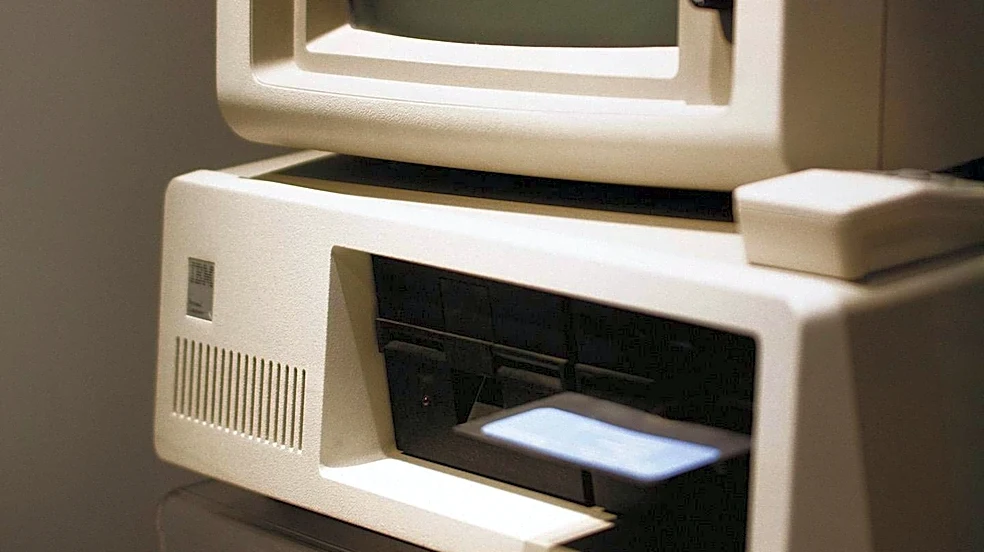
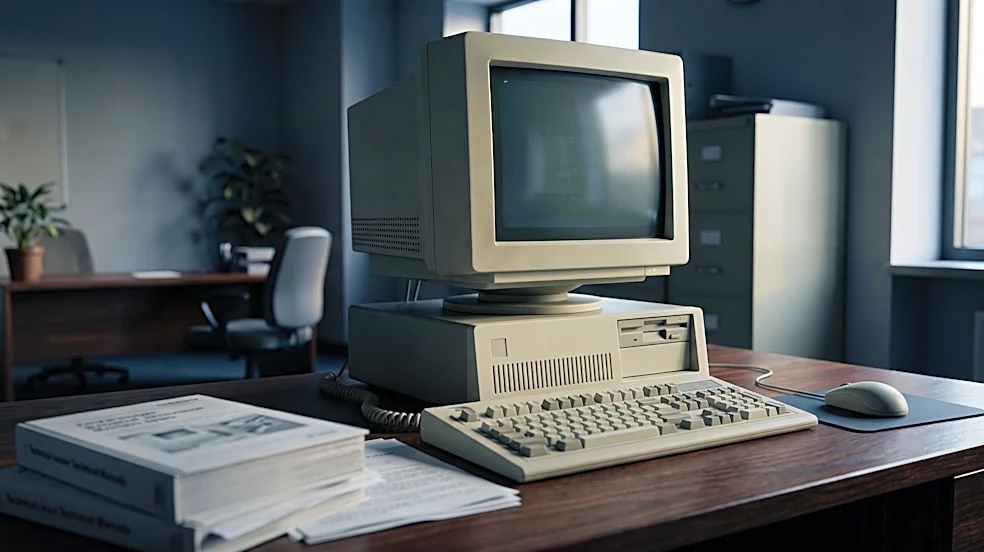
Here is the hidden decision that sealed Netscape's fate: Microsoft decided to give Internet Explorer away for free. More than that, it decided to bundle it directly into its Windows 95 operating system. This wasn't just a pricing strategy; it was a weapon. Netscape's entire business model relied on selling its browser. How could it compete with a rival that was not only free but came pre-installed on over 80% of the world's personal computers? Every new PC sold with Windows now came with Internet Explorer on the desktop, ready to go. Microsoft made it the default, and defaults are powerful. For the average user, there was suddenly no need to seek out, download, or buy Netscape Navigator. An alternative was already there, and it was 'good enough'. This single move cut off Netscape's air supply, shifting the battle from product quality to distribution, a game Microsoft was built to win.
The Aftermath: A Lawsuit and a Legacy
The results were swift and brutal. Netscape's market share, once over 90%, plummeted to under 1% within a few years. The company that had introduced millions to the web was acquired by AOL in 1999 and eventually dissolved. Microsoft's bundling tactic became the centerpiece of one of the most significant antitrust cases in U.S. history: United States v. Microsoft Corp. The government accused Microsoft of illegally using its Windows monopoly to crush competition in the browser market. While the courts ultimately found Microsoft's actions to be monopolistic, the proposed breakup of the company was overturned on appeal. By the time a settlement was reached, the damage was done. Internet Explorer had won the first browser war.