





What’s New in the Notes App?
At its recent Worldwide Developers Conference (WWDC), Apple didn't just announce a few tweaks. It unveiled a significant overhaul for the Notes app, powered by its new “Apple Intelligence” system. The two standout features causing the most anxiety are
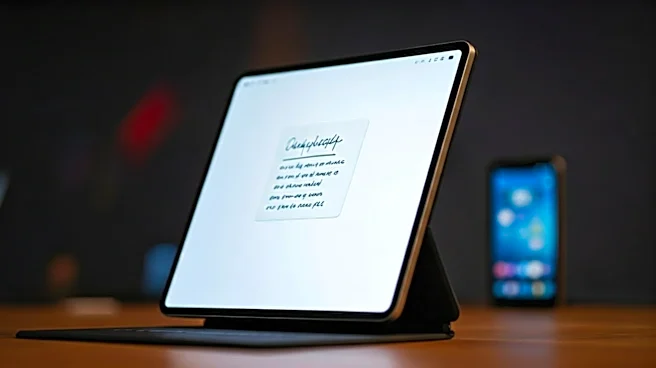
live audio transcription and an intelligent math solver. Now, users can record audio directly in a note—say, a lecture or a meeting—and get a live, searchable transcript generated on the spot. The app can also summarize the text for you. Additionally, the new “Math Notes” feature lets you type out an equation, and the app will solve it instantly, even adjusting the answer in real-time if you change the variables. These aren't just minor additions; they are sophisticated features that, until now, you had to download—and often pay for—a separate app to get.
The Dreaded 'Sherlocking' Effect
In the world of Apple development, there’s a terrifying verb: to be “Sherlocked.” The term dates back to the early 2000s when Apple released its own desktop search tool named Sherlock, which replicated the functionality of a popular third-party app called Watson, effectively putting it out of business. Ever since, “Sherlocking” has described the phenomenon where Apple builds a feature that was previously the domain of a third-party app directly into its operating system, making the original app redundant overnight. Flashlight apps, password managers, and screen-time trackers have all felt this pressure. It’s a classic platform-owner power move: watch the ecosystem for good ideas, then absorb the most popular ones and offer them for free, integrated seamlessly into the devices people already own.
Who's in the Crosshairs?
The list of startups potentially threatened by the new Notes app is long. First and foremost are the AI transcription services. Companies like Otter.ai and Trint have built entire businesses around providing high-quality, AI-powered transcription. While they may still hold an edge with professional-grade features, Apple’s free, built-in version is likely “good enough” for the vast majority of casual users, students, and small business owners. Similarly, a host of advanced note-taking and calculator apps are now facing a formidable new competitor. Apps like Goodnotes and Notability, which have long been staples on the iPad, have math conversion features, but now Apple offers a version for free. Specialist calculator apps like Soulver or PCalc could also see their user base shrink as people realize their default Notes app can handle complex calculations on the fly. For any startup charging a subscription for summarization, transcription, or smart math, the ground just shifted beneath their feet.
Can Startups Survive This?
For the affected startups, this isn't necessarily an extinction-level event, but it is a massive challenge. Survival will depend on differentiation. The common defense strategy is to go “pro.” While Apple’s features are designed for the masses, they often lack the deep, specialized tools that power users and enterprise customers require. Transcription services can focus on higher accuracy for specialized fields like medicine or law, offer better team collaboration tools, and ensure cross-platform availability on Windows and Android—areas Apple has little interest in. Note-taking apps can double down on PDF annotation, advanced organizational features, and community-driven template libraries. The goal is to move upmarket and create a product so powerful and specific that the free, built-in alternative simply can’t compete for serious users. It’s a difficult pivot that requires convincing customers that your paid service is not just better, but essential.