







The DVD-by-Mail Dream
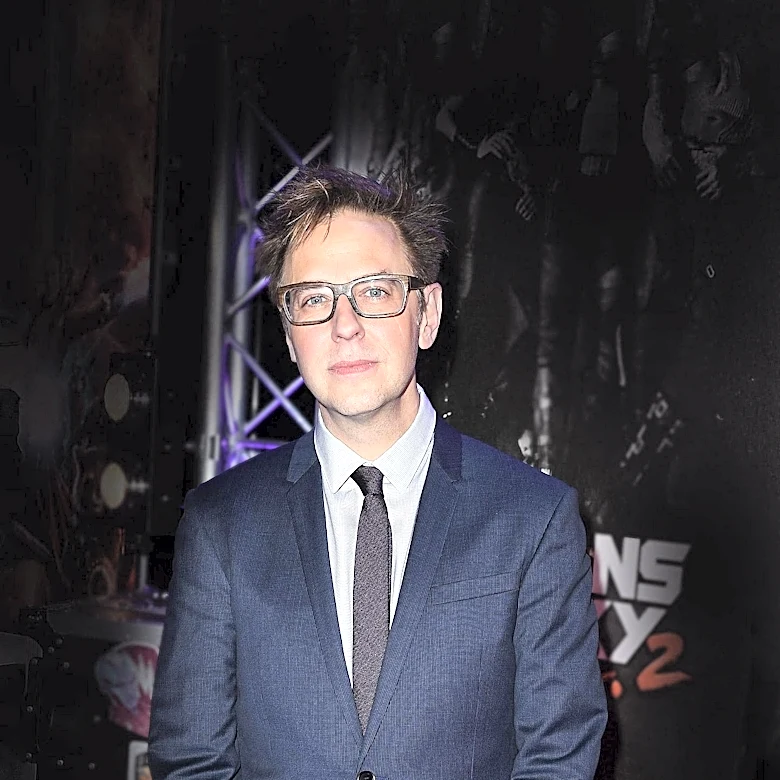
In 1997, Marc Randolph and Reed Hastings were two tech veterans carpooling to their jobs in Silicon Valley. Randolph, a direct-marketing expert, was fascinated by Amazon's model and wanted to apply it to a new category. Hastings, an engineer and the primary
investor, brought the analytical rigor. After dismissing VHS tapes as too fragile and expensive to ship, they landed on a new, lightweight format: the DVD. They launched Netflix as the world's first online DVD rental and sales store, a novel idea in a world dominated by Blockbuster's late fees. Randolph served as the first CEO, the startup guy who loved the chaos of building something from nothing, while Hastings was the chairman and majority shareholder, providing the crucial initial investment of $2.5 million.
The Amazon Temptation
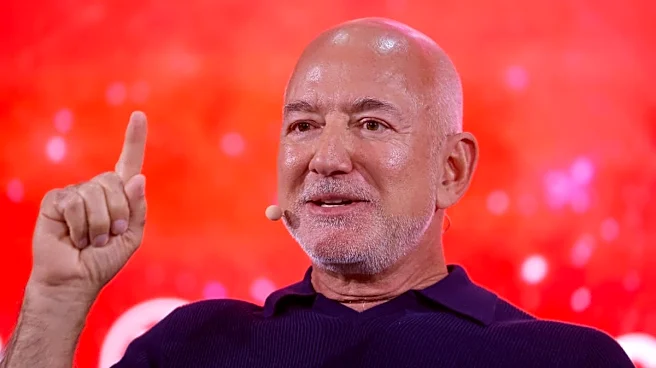
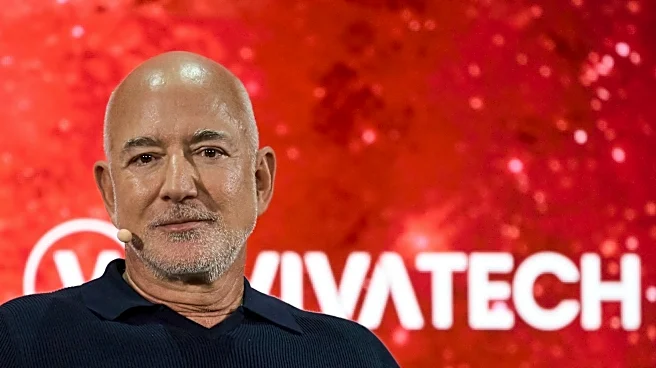
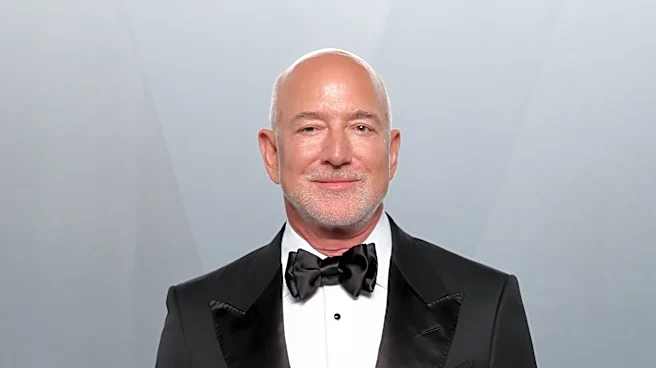
By 1998, just a year into its existence, Netflix was a scrappy startup burning through cash. DVD rentals made up only a tiny fraction of its revenue; the profitable part was selling DVDs outright. It was then that they got a call from Seattle. Jeff Bezos wanted to meet. Randolph and Hastings flew up to Amazon headquarters, where Bezos, impressed by their model, floated an acquisition offer. While no formal number was put on the table, the figure suggested was in the "low eight figures," which Randolph estimated to be between $14 million and $16 million. For Randolph, this was the dream scenario. Selling to Amazon would solve all their cash-flow problems and represented a massive win for a year-old company.
Hastings' Billion-Dollar 'No'
Reed Hastings, who owned 70% of the company, wasn't convinced. On the plane ride back from Seattle, he resisted the idea of selling. While Randolph saw a quick and profitable exit, Hastings saw unrealized potential. He believed the offer was too low and that Netflix was on the verge of something much bigger. The meeting with Bezos had also crystallized a key threat: if they didn't sell, Amazon would inevitably become a competitor in the DVD sales market, a battle the small startup could never win. The founders faced a choice. They could take Amazon's money and walk away, or they could refuse and bet everything on a different path. They ultimately decided it wasn't the right moment to give up.
The Pivot That Changed Everything
The close call with Amazon forced a strategic reckoning. It was clear they couldn't compete with Amazon on sales. So, they made a radical decision: they abandoned the only profitable part of their business—selling DVDs—to focus entirely on the fledgling rental model. This pivot led directly to the development of their revolutionary subscription service in 1999, which eliminated per-rental fees in favor of a flat monthly rate. This was the defining move that set Netflix apart. Around the same time, Hastings stepped into the CEO role to steer this new long-term vision. Randolph, a self-described early-stage entrepreneur who thrived on building companies rather than running them, eventually left the company in 2003, a year after its IPO. He found his passion in mentoring other founders, while Hastings remained to execute the grand vision he had refused to sell for a few million dollars.