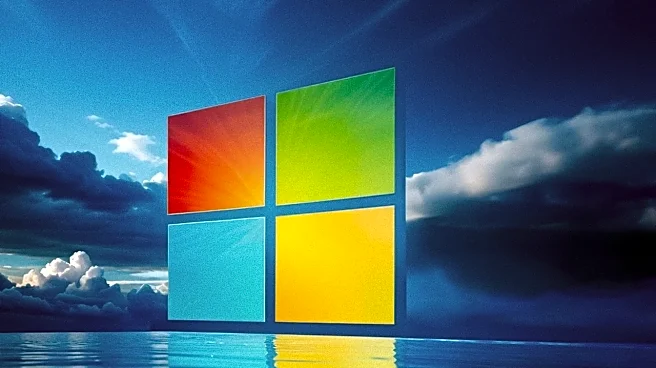








Released in 2009, Windows 7 was more than just an operating system; it was a course correction. After the mess of Windows Vista, Microsoft needed a win. What it delivered wasn't just a win—it was a quiet revolution that reshaped American computing.
Healing the Wounds of Vista
To
understand the triumph of Windows 7, you have to remember the disaster of its predecessor, Windows Vista. Released in 2007, Vista was slow, resource-hungry, and plagued by incessant security pop-ups from its new User Account Control (UAC) feature. Users and businesses alike rejected it, with many clinging desperately to the aging but reliable Windows XP. Trust in Microsoft was broken. Windows 7 arrived as the antidote. It took the underlying architectural improvements of Vista—like its more secure driver model—and polished them relentlessly. It ran faster on the same hardware, the UAC was toned down to be less intrusive, and the whole experience felt stable from day one. For businesses hesitant to upgrade and home users frustrated with Vista, Windows 7 felt like an immediate and profound relief, restoring faith in the Windows brand almost overnight.
The Gold Standard for Usability
Windows 7 didn't try to reinvent the wheel; it perfected it. The user interface was a masterclass in refinement. The redesigned 'Superbar' taskbar merged program launching and window switching, allowing users to 'pin' their favorite apps—a feature now standard. New window management tools like Aero Snap, which let you snap windows to the sides of the screen for easy comparison, made multitasking dramatically simpler. These weren't flashy, experimental ideas. They were practical, intuitive improvements that made using a computer faster and more efficient. Windows 7 established a new baseline for what a desktop operating system should feel like: fast, polished, and fundamentally user-friendly. It became the benchmark against which future operating systems would be judged.
A Bridge to the Modern, Mobile Era
In hindsight, Windows 7 was the last great traditional desktop operating system. It arrived before the explosion of smartphones and tablets fundamentally changed user expectations. Its successor, Windows 8, would be a radical, touch-focused redesign that alienated many of the users who had just found stability in Windows 7. Because Windows 7 was so good and so reliable, it acted as a comfortable bridge, allowing millions of American businesses and consumers to delay the jarring transition to a touch-first world. They had an OS that 'just worked', which made the confusing tile-based interface of Windows 8 seem like a solution to a problem they didn't have.
The OS That Refused to Disappear
The greatest testament to Windows 7's success is how long people refused to give it up. Microsoft officially ended mainstream support in 2015 and ended all security updates for most users in January 2020. Yet for years after, a significant percentage of PCs in homes, offices, schools, and government facilities continued to run it. This created a massive security risk, as any new vulnerabilities would go unpatched. The reason for this stubborn loyalty was simple: Windows 7 was a product that was almost too good. It was stable, familiar, and did everything users needed it to do, making the argument for upgrading to the radically different Windows 8 or the initially buggy Windows 10 a difficult sell for IT departments and everyday users alike.