








The New Digital Gold
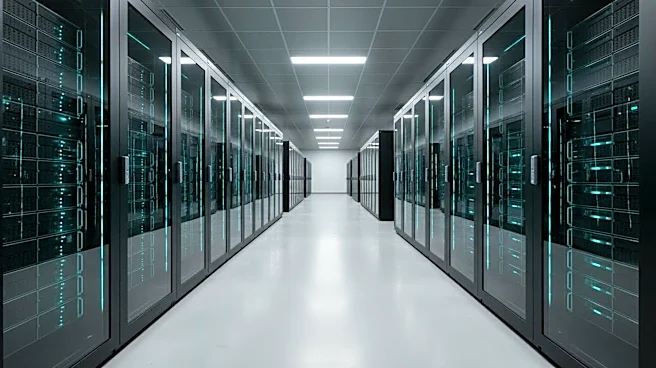
The engine behind this unprecedented spending is the graphics processing unit, or GPU. Once known for making video games look realistic, these powerful chips have become the single most critical component in the artificial intelligence revolution. Training
and running massive AI models requires computational power at a scale previously unimaginable, and companies like Nvidia, and to a lesser extent AMD, are the primary suppliers. The demand is so intense that it has created a global shortage, turning these silicon wafers into a strategic asset more valuable than digital gold. For tech giants, the size of your GPU stockpile is the new measure of power and ambition.
An Unprecedented Shopping Spree
Meta is not just participating in this AI arms race; it is one of its biggest escalators. The company has raised its capital expenditure (capex) guidance for 2026 to a staggering range of $125 billion to $145 billion, roughly double what it spent in 2025. This spending spree has rattled investors, who watched the stock drop after the Q1 announcement despite strong revenue growth. The primary reason for the increase is the soaring cost of building out AI data centers and, specifically, procuring millions of GPUs. CEO Mark Zuckerberg has been transparent about the goal: to build an infrastructure so vast it becomes a core strategic advantage, with plans for deals worth tens of billions with suppliers like Nvidia.
Zuckerberg's All-In Bet on AI
This massive investment represents a fundamental strategic pivot. While the metaverse remains a long-term vision, the immediate future of Meta—from its recommendation algorithms on Instagram and Facebook to its new AI assistants—runs on these chips. Zuckerberg has stated the goal is to build capacity larger than any other single company, framing the spending as a necessary entry fee to compete in the age of AI. However, he has also expressed impatience with the speed of progress, indicating the immense pressure to turn this capital burn into tangible product breakthroughs. The company is even exploring building its own custom chips (under the project name MTIA) to reduce its long-term reliance on pricey external suppliers.
The High-Stakes Payoff
The central question for Wall Street is no longer about Meta's ad business, which remains robust, but whether the enormous AI spend can generate a worthwhile return. The spending is so significant that analysts project it could lead to negative free cash flow for the company, a metric investors watch closely. The bull case is that this infrastructure will power hyper-efficient advertising, create new product categories, and potentially even allow Meta to lease its spare computing power to other companies, opening a new revenue stream. The bear case, cited by some analysts, is that the company is spending too much on too many projects, diluting its strategic focus and destroying economic value. For now, Meta is asking investors to trust that a $145 billion bill today is the price of dominance tomorrow.