




A Kingdom of Incompatible Machines
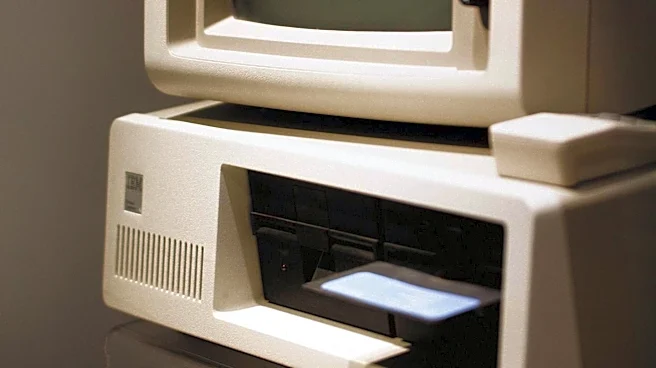
To understand the sheer audacity of Watson’s decision, you have to picture the computer industry of the early 1960s. IBM was a dominant force, but its success was built on a chaotic and fragmented product line. The company sold different computers for scientific
users and for business clients, and none of these machines could communicate with each other. Software written for one system was useless on another. This was a nightmare for customers, who had to scrap all their existing programs and retrain staff every time they upgraded. But it was also becoming an expensive and unsustainable mess for IBM, which had to maintain entirely separate engineering, software, and support teams for each product family.
One Family to Rule Them All
Watson’s radical idea, which emerged from a secret task force, was the System/360. The name referred to the 360 degrees of a compass, signaling a single family of computers that could serve the full spectrum of users. The proposal was revolutionary: a line of machines, from small to large, all built on a single, unified architecture. For the first time, software would be compatible across the entire family. A company could start with a small System/360 and, as its needs grew, upgrade to a larger model without having to rewrite a single line of code. This concept of a scalable platform is the standard today, but in 1964, it was an earth-shattering proposition that required separating software from hardware.
The Doubters and the $5 Billion Gamble
The internal resistance was immediate and fierce. The idea was not just risky; it was seen as corporate suicide. Developing the System/360 would cost an estimated $5 billion—more than the Manhattan Project and roughly double IBM's entire annual revenue at the time. Furthermore, announcing the System/360 would make every single one of IBM’s current, highly profitable products obsolete overnight. Sales teams were terrified. Engineers worried the technical challenges were insurmountable. Finance executives feared bankruptcy. Watson was effectively asking his company to destroy its own golden goose for a chance at an unproven, astronomically expensive future. The debates were so heated they were described as “tribal warfare.”
Vindication and a New Era
Despite the backlash, Watson pushed forward, betting everything on his vision. On April 7, 1964, IBM announced the System/360 to the world. The response was immediate and overwhelming. The company was flooded with orders, receiving more than 1,000 in the first month alone, far exceeding forecasts. The gamble had paid off spectacularly. The System/360 didn't just save IBM; it redefined the entire computer industry. It established the platform business model and created a new ecosystem where third-party companies could build compatible peripherals, strengthening the platform for everyone. The architecture was so robust that its direct descendants are still running in modern mainframes today, processing everything from airline reservations to global banking transactions.