
The Fundamental Divide: Form Factor
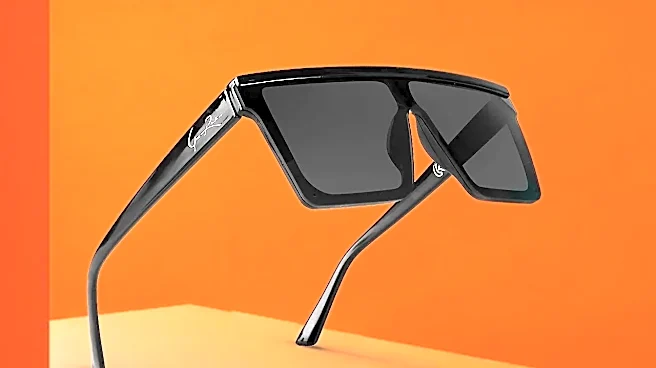
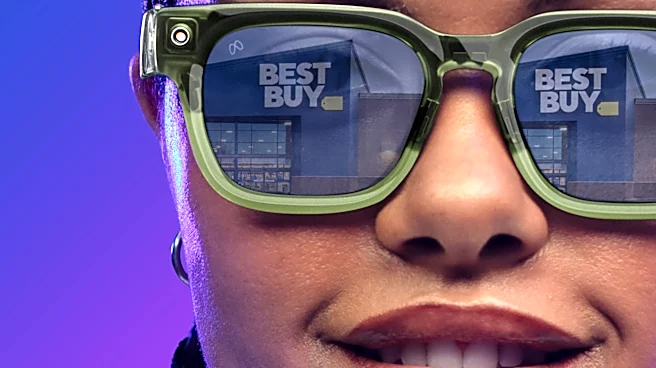
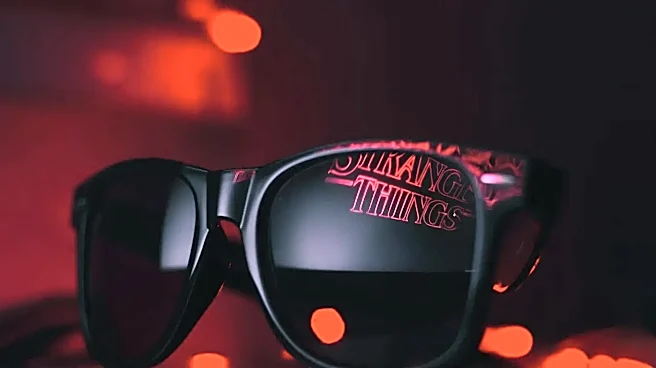
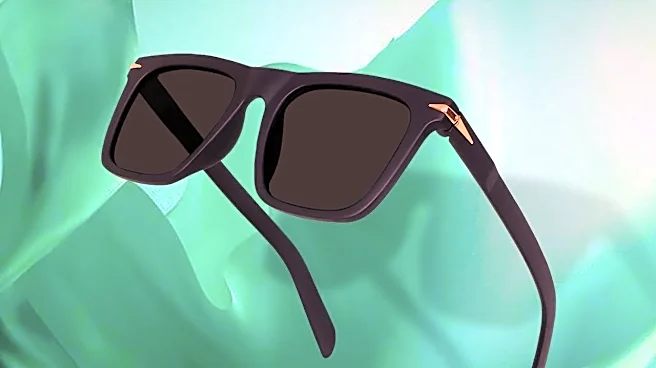
The most immediate and defining difference is what the device looks and feels like. Smart glasses in 2026, led by devices like the Ray-Ban Meta, prioritize looking like normal eyewear. They are lightweight,
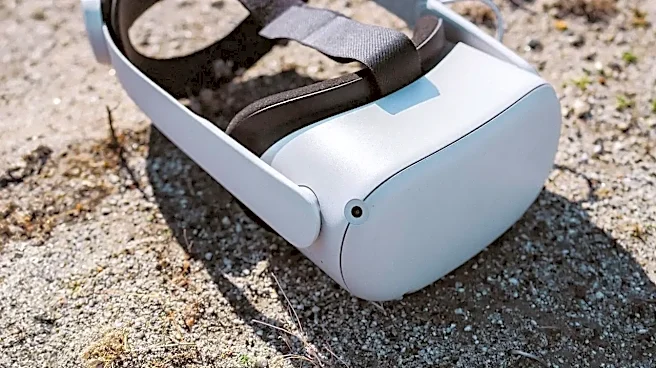
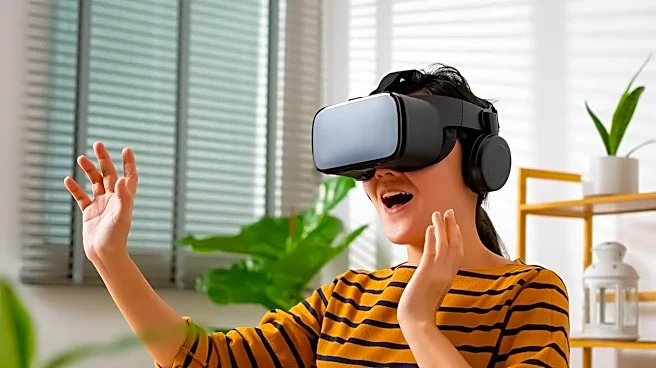
socially acceptable, and designed for all-day wear. This subtlety is their killer feature, but it comes with immense technical trade-offs. True AR headsets, conversely, are unapologetically hardware. Devices from companies like Magic Leap or those targeting industrial use are built for performance, not subtlety. They are larger and heavier because they house more powerful processors, advanced sensor arrays, and sophisticated optics required for genuine spatial computing. For a builder, this first distinction is crucial: are you creating an experience that needs to be discreet and ambient, or one that demands full sensory immersion?
Computing Power and Capability
This is where the paths diverge sharply. Most popular smart glasses are essentially companion devices. They are feature-rich peripherals that offload their processing to a connected smartphone. Their strength lies in AI-powered voice assistance, hands-free photo and video capture, and audio-first experiences like calls and music. They augment your life with information but don't fundamentally alter your perception of reality. AR headsets are self-contained computers for your face. They possess onboard processing powerful enough to map a room in real-time, understand surfaces and objects, and overlay stable, interactive 3D holograms onto the physical world. This enables high-immersion applications like complex industrial training, product visualization, and advanced gaming—tasks that are simply impossible on today’s smart glasses.
The Developer Experience and Ecosystem
Building for smart glasses is often an extension of mobile development. You’re typically creating services that feed information to the glasses—notifications, navigation cues, or AI-driven answers. The interaction model is voice-first, with development focused on cloud-connected AI and simpler, information-based use cases. The AR headset ecosystem is built around game engines like Unity and cross-platform standards like OpenXR. Development involves true 3D asset creation, spatial mapping, and complex user interactions via hand tracking and gesture recognition. Builders are creating fully realized spatial applications, not just informational overlays. The skill sets, toolchains, and development costs are vastly different.
Target Markets and Monetization Strategy
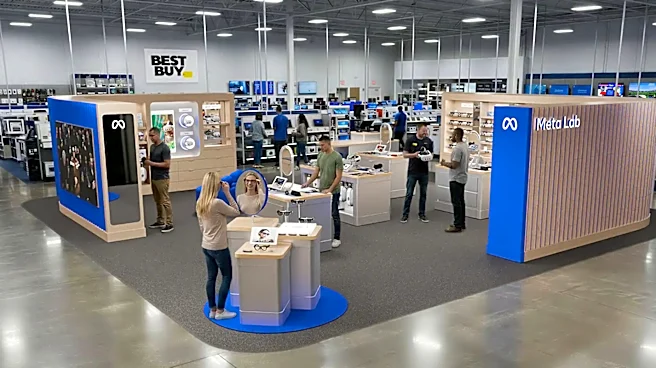
The market for smart glasses is exploding in the consumer sector. In the first quarter of 2026 alone, shipments of display-less smart glasses surged 167% year-over-year. Monetization for builders on these platforms will likely center on AI-driven software subscriptions and services that enhance the device's ambient computing abilities. AR headsets have found their most solid footing in the enterprise market. Industries like manufacturing, healthcare, and logistics are deploying headsets for remote expert assistance, hands-free work instructions, and employee training. Here, monetization is clear: high-value, business-to-business contracts for specialized software that solves expensive operational problems. While consumer AR headsets exist, the clearest return on investment for builders in 2026 remains in the enterprise space.