




A Pivot to Wearables and AI
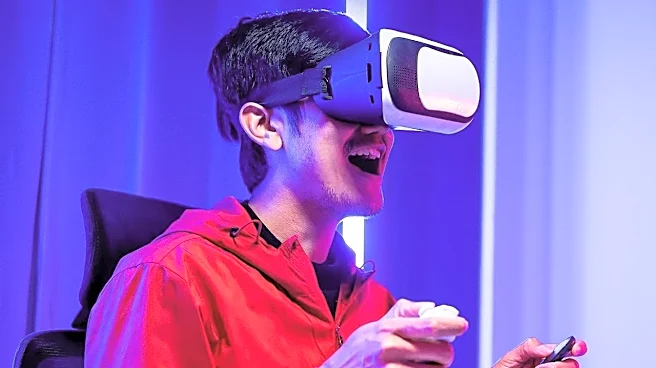
This year's event seems less focused on the bulky VR headsets of the past and more on a sleeker, more accessible future. The official event registration page prioritizes the showcase of "AI technologies, AI glasses and VR," in that specific order. This isn't
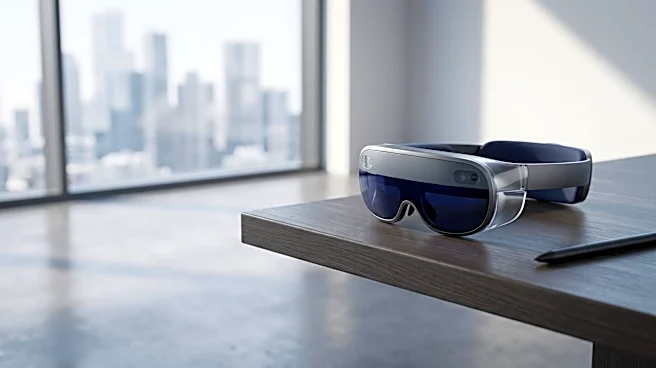
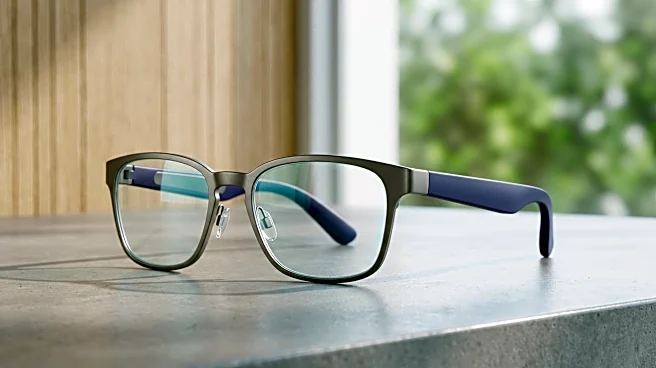
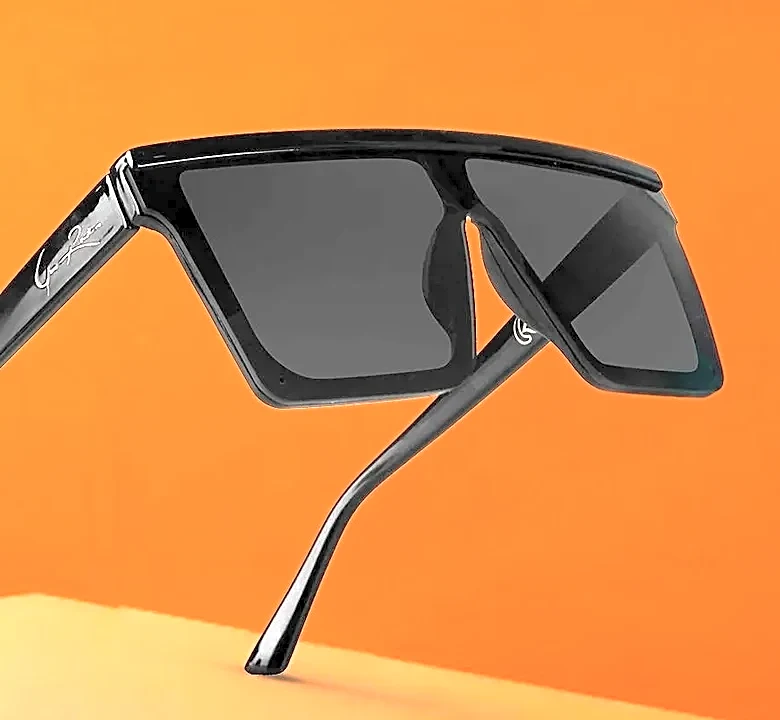
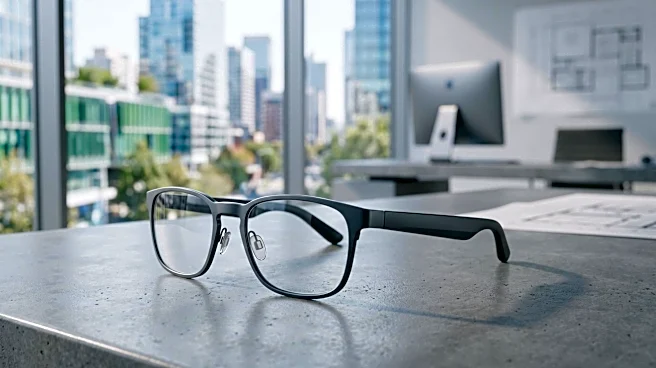
an accident. While Meta has confirmed a next-generation Quest 4 headset is in development, it's not expected to launch until 2027 at the earliest. Instead, the spotlight for 2026 is firmly on wearables. Leaks and official teases point toward new smart glasses, which CEO Mark Zuckerberg has signaled is where the bulk of the company's new R&D investment is going. After years of championing the metaverse via VR headsets, Meta is betting that stylish, AI-powered glasses are the true bridge to the next computing platform. Reviewers will be looking for a device that feels less like a niche gadget and more like a natural successor to the smartphone.
The Quest for a 'Killer App'
Hardware is only half the battle. The biggest question hanging over Meta Connect is whether the company can finally demonstrate a compelling, must-have software experience. For years, the 'metaverse,' as envisioned through platforms like Horizon Worlds, has struggled to find mainstream traction. Recognizing this, Meta announced a strategic shift earlier in 2026, separating its VR platform (Quest) from a new, mobile-first strategy for Horizon Worlds. This year's developer sessions are packed with talks on building for AI glasses and integrating mobile apps. Tech enthusiasts and critics will be watching for announcements that go beyond gaming. They'll want to see practical, AI-driven applications for work, communication, and social interaction that make the hardware indispensable. The success of the keynote will hinge on showing, not just telling, what this new ecosystem can do.
High Stakes and Mounting Losses
Looming over the entire event is the immense financial pressure on Meta's Reality Labs division. The unit, responsible for all of Meta's hardware and metaverse projects, has been losing billions of dollars each quarter. In the second quarter of 2026 alone, the division posted a loss of $4.62 billion, contributing to a cumulative loss that has surpassed $80 billion since 2020. While the company's core advertising business remains highly profitable, investors are growing impatient for a return on the massive metaverse investment. A positive reception from Connect 2026 is crucial to reassure stakeholders that the long-term vision is sound and on a path to eventual profitability. The reviews will be read not just by tech fans, but by Wall Street analysts looking for proof that the enormous gamble on augmented and virtual reality might one day pay off.
A Referendum on the Future
Ultimately, the intense interest in Meta Connect 2026 reviews comes down to this: the event is a referendum on the future of an entire industry. With Apple's own mixed-reality offerings gaining traction and other competitors like Samsung and Google entering the space, Meta needs to reassert its leadership. Leaks of a potential ultra-lightweight headset, codenamed 'Project Phoenix,' suggest Meta hasn't given up on VR but is rethinking the form factor entirely. The announcements made, and the subsequent reviews, will signal whether Meta's vision of an AI-powered, wearable future is a compelling reality or still just a science-fiction dream. The world will be watching to see if the company can deliver a polished, practical, and desirable glimpse of what's next, or if the wait for the next true tech revolution continues.