
An Idea Before Its Time
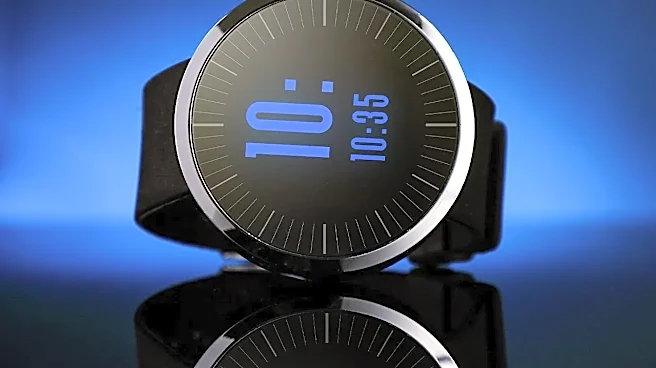
In the late 2000s, the term 'smartwatch' was science fiction for most people. But for Eric Migicovsky, a student and avid cyclist, it was a practical necessity. Annoyed by having to pull his phone from
his pocket while riding, he started tinkering with a watch that could display notifications from his BlackBerry. This led to his first company, Allerta, and a product called the inPulse. It was a niche gadget for a niche audience, but it got him into the prestigious Y Combinator incubator program and even generated some revenue. After graduating from YC, however, Migicovsky hit a wall. He had a vision for a more advanced watch, one that would work with iPhones and Androids, but investors weren't biting. In the early 2010s, venture capitalists were notoriously shy about funding complex hardware projects, fearing competition from giants like Apple and Samsung. Migicovsky raised a small angel round of $375,000, but it wasn't nearly enough for a major production run. The dream was stalling.
The Fork in the Road
With funding dried up and options dwindling, Migicovsky faced a classic startup crisis. This was the moment the future of wearables and hardware crowdfunding almost took a hard left turn. He was running out of money and struggling to convince traditional investors of his vision. According to reports and his own accounts, it was during this period of desperation that an offer came in to buy the company. While the exact details of this early potential acquisition aren't widely publicized, the choice was stark: sell the company for a small, safe exit, or risk everything on an unproven path. For many founders in that position, taking the deal would have been the logical move. The project would have been absorbed, the Pebble as we know it would likely never have existed, and Migicovsky's story would have ended as a minor footnote in tech history.
The Kickstarter Gamble
Instead of selling, Migicovsky took a radical detour. He turned to a still-novel platform called Kickstarter. At the time, Kickstarter was known more for funding indie films, music albums, and quirky art projects—not for launching ambitious consumer electronics. A large-scale hardware project was a massive unknown. It wasn't just about raising money; it was a bet that thousands of ordinary people would pre-order a product that didn't exist yet, from a company they'd never heard of. It was a desperate, last-ditch effort to bypass the gatekeepers of venture capital and appeal directly to the people he hoped would one day wear his watch. With a modest goal of $100,000 to prove demand, he and his small team put together a simple video and launched the campaign in April 2012.
The Floodgates Open
The response was anything but modest. The Pebble campaign hit its $100,000 goal in just two hours. Within 28 hours, it had passed $1 million. By the time the 37-day campaign ended, Pebble Technology had raised an astonishing $10.27 million from nearly 69,000 backers, making it the most-funded project in Kickstarter's history at the time. The gamble hadn't just paid off; it had shattered all expectations and fundamentally changed the game. The overwhelming success proved there was a massive, untapped market for smartwatches. More importantly, it sent a powerful signal to a generation of inventors and entrepreneurs: you no longer needed a VC's permission to build something big. If you had a great idea, you could take it directly to the crowd.
A Legacy Built on a 'No'
Pebble's Kickstarter success became a blueprint. It demonstrated that crowdfunding could be a legitimate launchpad for serious hardware companies. In the years that followed, countless other iconic products, from the Oculus Rift VR headset to the Coolest Cooler, would follow Pebble's path, raising millions on the platform and building passionate communities before a single unit shipped. The Kickstarter era of hardware had begun in earnest, and it was all sparked by one founder's decision to reject a safe exit and bet on his audience. Pebble itself had a turbulent journey, eventually launching several more record-breaking Kickstarter campaigns before being acquired by Fitbit in 2016. But its true legacy isn't just the two million watches it sold. It's the thousands of projects and companies that were empowered because Pebble proved it could be done.