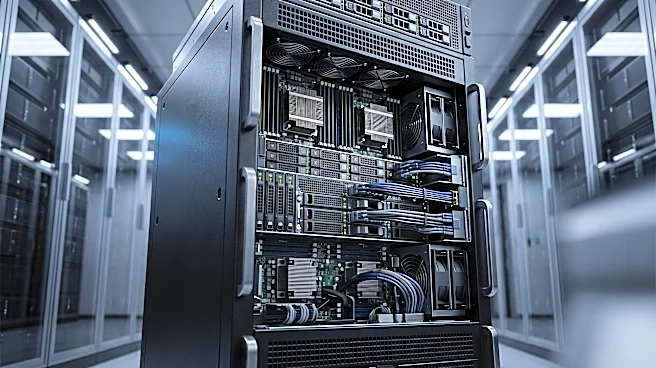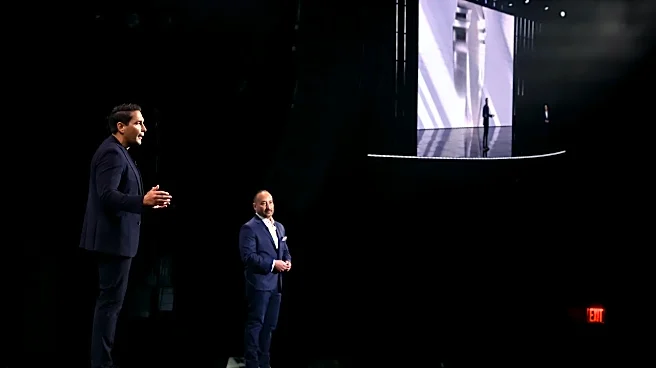








The lights are low, the music is pumping, and on stage, a charismatic founder unveils an AI that feels like magic. But while the audience is wowed, experienced engineers are looking for something else entirely—the tells that separate a real product from
a mirage.
Is the Demo Live or Re-recorded?
The first and most fundamental question is whether you're watching a live performance or a carefully edited video. Polished demos often run on curated, clean inputs in a perfect environment. An engineer wants to see the system handle unexpected questions or go off the pre-approved script. They know that production AI has to deal with messy, real-world data, not just the 'happy path' shown on stage. If a presenter resists any deviation from their planned talk track, it’s a major red flag. They aren't just watching the demo; they're testing its tolerance for reality. A truly robust system shouldn't shatter the moment it's nudged off-balance.
What's the 'Wizard of Oz' Factor?
A classic trick in the tech world is the 'Wizard of Oz' prototype, where a human is secretly pulling the levers behind the curtain, simulating the AI's response. Experienced engineers are deeply skeptical of demos that might involve a 'human in the loop' without disclosing it. They’ll ask pointed questions about the degree of autonomy and what happens when the system fails. An engineer who has actually built and shipped a product can describe, in weary detail, how they handle API timeouts, malformed data, and model failures. Someone who has only built a demo often gives vague, optimistic answers because they've never seen their system break under real-world pressure.
Can This Actually Scale?
A demo that works for one user on a fresh slate is one thing; a product that works for thousands of simultaneous users is another challenge entirely. This is the question of scalability. An engineer is mentally calculating the cost and latency involved. How much does each query cost in API fees? How does the response time degrade under load? A system that looks impressive but costs a fortune to run or slows to a crawl with real traffic isn't a viable business; it's a money pit. Experts listen for any discussion of MLOps, cost-control mechanisms, and the architecture built to handle enterprise-level demand. Silence on these topics suggests the team hasn't moved beyond the experimental phase.
Where's the Data Advantage?
In the age of powerful off-the-shelf models, just 'using AI' is not a sustainable advantage. A savvy engineer looks for the 'moat'—the defensible edge that competitors can't easily replicate. Often, this comes from proprietary data. Is the AI trained on a generic, public dataset, or is it learning from unique, valuable data that the company is collecting through its operations? An AI product that improves the more it's used because it's fed by a stream of proprietary data has a compounding advantage. A demo that runs on a sanitized, generic dataset is far less impressive, as it suggests the underlying model has no special insight into a customer's specific problems.
Is It a Product or a Feature?
Perhaps the most critical business question an engineer asks is whether the dazzling demo showcases a standalone company or just a cool feature. Many impressive AI capabilities could be replicated and integrated into a larger platform by a major tech company in a matter of months. A true product solves a complex workflow and becomes deeply embedded in a customer's operations. It's not just a clever trick. An expert evaluates whether the company has 'founder-market fit'—deep expertise in a specific industry—and whether they are solving a painful, urgent problem for which customers are willing to pay. If the demo solves a minor inconvenience, it's likely a feature, not a business.