





Edwin Land: The Original Innovator-Showman
Long before Jobs unveiled the Macintosh, his own hero, Edwin Land, was dazzling audiences with Polaroid cameras. Land, a brilliant scientist and college dropout, believed business existed at the intersection of art and science. His product demos were
legendary events where he didn’t just sell a camera; he sold magic. Jobs saw Land as a national treasure and modeled his own famous keynotes on Land’s ability to create a moment of wonder, revealing a product that felt like it arrived from the future. Land proved that a product launch could be a cultural event, a lesson Jobs absorbed completely.
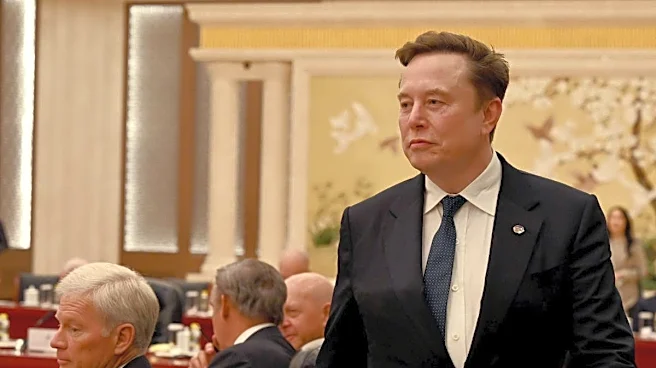
Elon Musk: The Reality Distortion Field 2.0
The “reality distortion field” was the term Apple engineers coined for Jobs’s unique blend of charisma and unwavering self-belief that could convince people the impossible was possible. Elon Musk is perhaps its most famous modern practitioner. His grand pronouncements about colonizing Mars with SpaceX or revolutionizing transportation with Tesla often seem to defy financial and engineering realities. Yet, like Jobs, Musk uses this intense conviction to rally teams around decade-spanning goals, secure massive funding, and create a cult-like following for his products long before they are even built. It’s a tool for bending the world to your will.
Brian Chesky: The Customer Experience Obsessive
Steve Jobs was famously obsessive about every detail of the user experience, from the weight of a device to the feeling of unboxing it. Airbnb co-founder Brian Chesky channels this same maniacal focus. A graduate of the Rhode Island School of Design, Chesky approaches Airbnb not as a tech platform, but as a design challenge in hospitality. In the early days, he and his co-founders personally visited and photographed hosts' apartments to ensure quality. His concept of a “10-star experience”—imagining a check-in so amazing The Beatles would welcome you—is a direct echo of Jobs’s philosophy that you must sweat every single detail to create something people truly love.
Tony Fadell: The Uncompromising Product Guy
As the “father of the iPod,” Tony Fadell worked directly under Jobs and learned his methods firsthand before co-founding Nest. Fadell embodies Jobs’s relentless focus on the product itself. He learned that creating a revolutionary device requires making opinion-based decisions when no data exists. The iPod’s click wheel and the iPhone’s lack of a physical keyboard were massive leaps of faith, driven by Jobs's vision for how people would want to interact with technology. Fadell champions this belief that a leader’s job is to have a strong point of view, articulate it through storytelling, and push a team to execute it with extreme attention to detail.
Jensen Huang: The Bet-the-Company Visionary
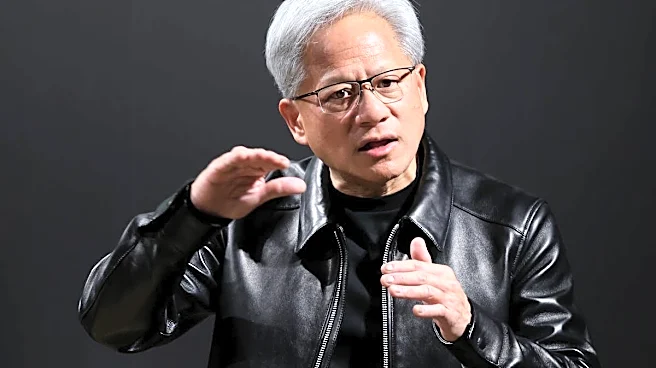
Steve Jobs often made high-stakes bets on unproven technologies, from the graphical user interface to the iPod. Nvidia CEO Jensen Huang has demonstrated the same long-term conviction. For decades, he steered his company to focus on building powerful graphics processing units (GPUs). While their initial market was for gaming, Huang envisioned a future where this parallel processing architecture would be essential for challenges far beyond graphics. His multi-decade, company-defining bet paid off spectacularly, as Nvidia’s chips became the essential engine of the artificial intelligence revolution. This kind of long-game thinking, which requires incredible patience and a deep belief in a technical roadmap, is a hallmark of Jobs’s own strategic genius.