








It’s Not Just a Stronger Signal
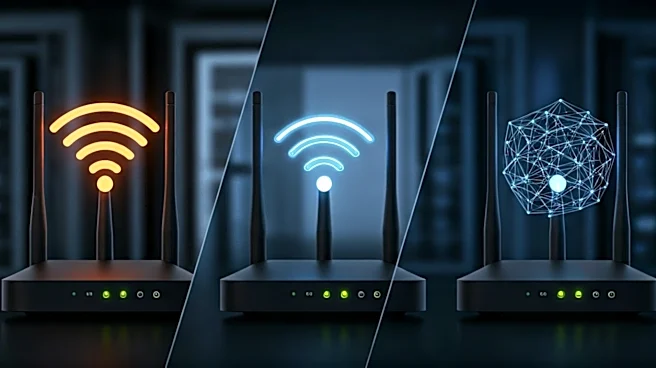
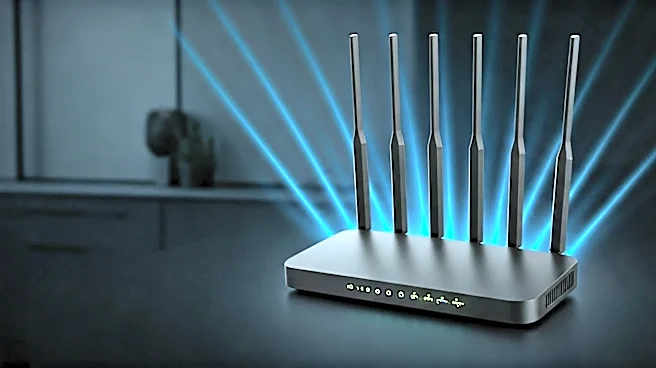
Let’s get this out of the way: a mesh Wi-Fi system isn't just one beefed-up router. Think of it as a team of smaller, coordinated routers (called nodes) that work together to blanket your space in a single, seamless network. Unlike a traditional router,
which broadcasts from one central point, or a router-and-extender setup, which creates a clunky, secondary network, a mesh system is designed for total, unified coverage. Your phone, laptop, or point-of-sale terminal automatically connects to the strongest node without you ever noticing. It’s the difference between having one giant, shouting lighthouse and a series of perfectly placed, interconnected lamps guiding the way. For a business, this cohesive approach eliminates the most common Wi-Fi headaches at their source.
Eliminating Business-Killing Dead Zones
That back office where video calls always drop? The corner of the cafe where the credit card reader sputters? The warehouse where inventory scanners lose connection? These are dead zones, and they’re more than an annoyance—they’re productivity killers and potential revenue losers. A single powerful router, no matter how expensive, will always be limited by physics: walls, metal shelving, and distance degrade its signal. Mesh nodes are placed strategically to kill these dead zones. This means your staff can walk from the front desk to the stockroom on a VoIP call without it dropping. It means a customer’s payment goes through instantly, whether they’re at the counter or on the patio. Reliable connectivity everywhere isn’t a luxury; it’s the baseline for a modern, efficient operation.
Security That Protects Your Bottom Line
Here's the part most business owners miss. Handing out your primary Wi-Fi password to customers is a massive security risk. A business-grade mesh system solves this elegantly by allowing you to create multiple, separate networks (or SSIDs) from the same hardware. You can have one network for your guests that is completely isolated from your internal operations. A second, secure network can be for staff devices. And a third, highly protected network can be reserved exclusively for mission-critical systems like your POS terminals, printers, and servers. This segmentation is a cornerstone of modern cybersecurity. It means a customer browsing social media on your guest Wi-Fi has zero ability to see or access your sensitive financial data. It's a simple, powerful defense that a consumer-grade router simply can't offer.
Simple Management for the Non-IT Crowd
Most small business owners are the CEO, head of sales, and, by default, the IT department. The thought of managing a complex network is daunting. This is where mesh systems shine. Most are designed to be set up and managed through a simple smartphone app. From one central dashboard, you can see every device connected to your network, check your network health, set up guest access with a QR code, and even prioritize bandwidth for specific devices (like the register during a busy rush). You don’t need to log into a confusing web interface with cryptic settings. If a new security patch is available, you can often apply it with a single tap. This ease of use democratizes powerful network management, putting it in the hands of business owners who have more important things to worry about.
Grow Your Wi-Fi With Your Business
Your business isn't static, and your network shouldn't be either. What happens when you lease the office next door, build out a patio, or expand your warehouse? With a traditional router, you’re looking at a costly and disruptive overhaul. With a mesh system, you simply buy another node and add it to your existing network through the app. Within minutes, your seamless Wi-Fi bubble has expanded to cover the new space. This plug-and-play scalability makes mesh Wi-Fi a long-term investment that adapts to your success. It future-proofs your connectivity, ensuring that your network infrastructure can keep pace with your company's growth, rather than holding it back.